
Vandaag of morgen in huis

Kwaliteit gegarandeerd

Welkomstaanbiedingen ontgrendelen: GRATIS bezorging | Tot 80% korting | Gratis 30 dagen JoyPlus-proefperiode
Download de app
Car accessories are useful in many situations, from punctures and minor maintenance to camping, travelling and mobile power. The range includes everything from a hydraulic car jack and axle stands to a 12V car fridge, compressor cool box or 12V to 220V power inverter.
However, a high load capacity, substantial power output or “fast cooling” does not automatically mean that a product is suitable for your vehicle. Before placing your order, pay particular attention to the following pitfalls.
A garage jack with a 3-tonne capacity may appear suitable for many cars, but you also need to consider the minimum and maximum lifting height. A low passenger car needs a low entry height. For an SUV, motorhome or commercial vehicle, sufficient lifting height is more important.
The same applies to an inverter. Peak power is intended for a brief starting surge. For continuous use, the rated continuous power is what matters. For example, a device with 4000 watts of peak power may provide 2000 watts continuously, as stated in the product description.
A compact bottle jack is convenient to carry, but its shape and lifting height will not be suitable for every vehicle. Always check the permitted load, the surface and the position of the lifting saddle.
A small camping fridge may be practical for a day trip, while an 83-litre compressor cool box is better suited to longer journeys with several people. More capacity does, however, mean greater space requirements, more weight and potentially higher power consumption.
A designation such as CE or EN 1494 is useful information, but it is no substitute for correct use. Check that the product is actually intended for your application and follow the instructions. When carrying out work underneath a car, always use suitable axle stands. A hydraulic jack is designed for lifting, not for supporting a vehicle on its own for extended periods.
According to the product descriptions, various TCE jacks are CE- or EN 1494-certified. This is a product specification provided by the seller; practical safety also depends on the surface, positioning, vehicle weight and maintenance.
Choose a jack based on the permitted vehicle weight, not just its marketing label. Bear in mind that you will often be lifting only part of the vehicle, but allow a sufficient safety margin. Also check the following:
For large SUVs, pick-ups and light commercial vehicles, a 6-tonne or 10-tonne bottle jack may be suitable, provided the lifting height is compatible. A set of car ramps may be useful for jobs where you do not need to lift the vehicle with a jack, but check the width, incline angle and load capacity.
Steel generally provides a sturdy construction, while aluminium can help reduce the overall weight. Look for details such as a safety valve, a stable base, a non-slip saddle and an adjustable screw. For long-term support, axle stands with a suitable height and load capacity are essential.
Anyone looking for tools for SUVs and lorries will generally have different requirements from someone who only wants to change a spare wheel. Pay particular attention to the available clearance beneath the vehicle, the maximum load and how the tools can be stored.
With a 12V to 220V power inverter, first check the power source, cable thickness and battery capacity. According to EAFC’s product description, a pure sine wave inverter can provide a smooth alternating voltage for devices that are sensitive to power quality. This is a claim made in the brand’s product information and should be assessed alongside the specifications of the device you intend to connect.
Pay attention to the following:
A compressor cool box works differently from a passive cool box: its compressor uses electricity to actively cool the contents. Therefore, check the connection, stated power consumption and any battery protection.
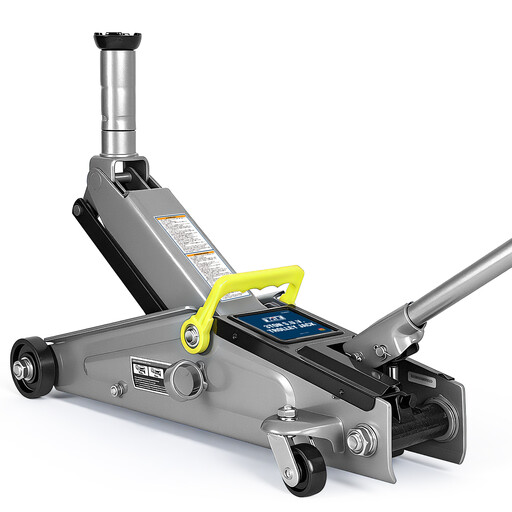
Why it suits this profile: According to the product description, this garage jack is designed for passenger cars, SUVs and MPVs, with an adjustable range of 150 to 530 mm and a capacity of 3 tonnes.
The stated lifting range makes it possible to compare the jack with your car’s ground clearance. The product description also mentions an overload valve.
Steel construction, 3-tonne capacity and CE designation according to the product information.
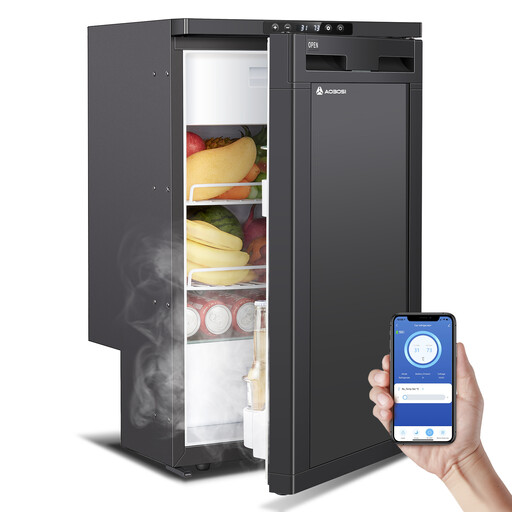
Why it suits this profile: The 83-litre capacity is suitable for motorhomes, boats, lorries and longer journeys where several meals and drinks need to stay chilled.
The product description states that it features a compressor design and a 12/24V DC connection. Check beforehand that the available space and power supply are suitable.
Large storage capacity, LED lighting and control via touch panel and app, according to the product information.
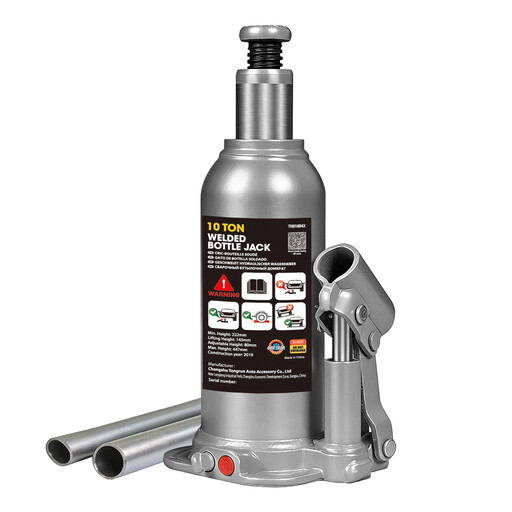
Why it suits this profile: According to the product description, this bottle jack is intended for heavy lorries, buses and industrial vehicles, with a capacity of 10 tonnes and a lifting range of 222 to 448 mm.
The load capacity and lifting height are clearly stated, allowing you to compare them with your vehicle. Use the jack only at suitable lifting points.
Forged steel base, adjustable screw and safety valve according to the product description.
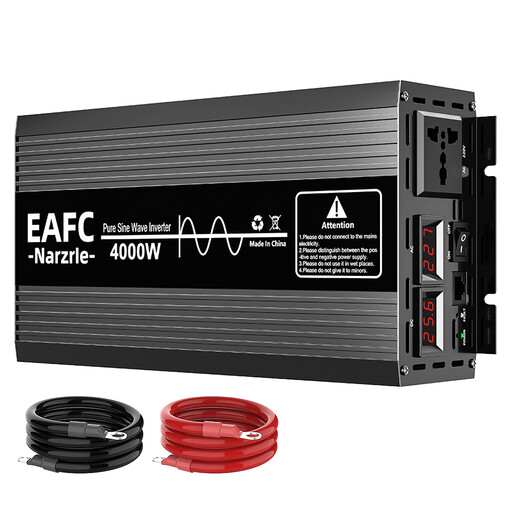
Why it suits this profile: This 12V to 220V power inverter is designed for use in motorhomes, outdoor work and emergency power situations where devices are connected via a universal socket.
The rated power of 2000 watts is listed separately from the peak power of 4000 watts. This prevents confusion when choosing connected equipment.
Digital input and output display, dual fans and multiple safety features according to EAFC’s product description.
We have put together a complete, up-to-date list of products that fully meet these strict selection criteria and the applicable European safety regulations.
This depends on the vehicle weight, lifting points and ground clearance beneath the SUV. A 3-tonne hydraulic car jack may be suitable for some SUVs, while a heavier model with a greater lifting height may be needed for a pick-up or light commercial vehicle. Also use suitable axle stands when working underneath the vehicle.
The operating time depends on the battery capacity, outside temperature, selected temperature, insulation and the compressor’s power consumption. A cool box with battery protection can help prevent excessive discharge, but check that the setting is suitable for your vehicle. For several days without the engine running, a separate leisure battery or power station is often more practical than relying solely on the starter battery.
Not every device has the same requirements. Devices with motors, chargers or sensitive electronics may benefit from a pure sine wave output. Always check the specifications from the manufacturer of the connected device and match the inverter’s continuous power to them. Also pay attention to the correct cables, fuse and battery voltage.
