
Vandaag of morgen in huis

Kwaliteit gegarandeerd

Welkomstaanbiedingen ontgrendelen: GRATIS bezorging | Tot 80% korting | Gratis 30 dagen JoyPlus-proefperiode
Download de app
A standalone car accessory often seems like a simple purchase. Yet many mistakes happen because of the wrong fit, unclear specifications, or features that turn out to be less useful in practice than the advert suggests. This applies to lighting, an OBD2 scanner, a car battery charger, a car jump starter and even a simple tyre pump.
Pay particular attention to these three pitfalls:
With car accessories, the connection is often more important than the appearance. For lighting, check the exact lamp type, such as H7, D3S or D3R. With a complete rear light unit, you also need to consider the body shape, connector, mounting points and left- or right-hand drive versions.
A car diagnostic equipment product will only work properly if your car supports the correct OBD2, EOBD, CAN or CAN FD protocol. A simple Bluetooth adapter is quite different from a comprehensive scanner with active tests. Also check whether functions can vary by make and model.
For a phone holder for car, the dimensions of your phone and its case are decisive. Measure the total thickness and check whether the steering wheel is suitable for the clamp. With a baby camera for car, the available screen technology and phone compatibility are important conditions.
With a tyre pump, pay attention to the maximum pressure, airflow, measurement units and automatic shut-off. A digital pump is handy when you can set a pressure in advance, while a mechanical foot pump doesn’t need a battery or charging cable.
With a car battery charger, check:
A car jump starter also requires a comparison between the maximum starting current and the engine type. The stated maximum engine capacity is a product specification from the brand; actual performance also depends on battery condition, temperature and connections.
A car jack is not a replacement for axle stands. Only use a jack on the designated jacking points and check the maximum load. A mention such as EN 1494 refers to a European standard for certain mobile jacks, but correct use remains essential.
With LED car lighting, the beam pattern must be checked after installation and adjusted if necessary. According to the product description of some LED brands, a CANbus decoder may be needed to prevent error messages. Therefore, check your vehicle documentation and the applicable traffic regulations before replacing a bulb.
Use rotating car tools, such as a brush set for a cordless drill, at a suitable speed. Softer brushes are intended for delicate surfaces; hard brushes can damage paintwork, leather or plastic.
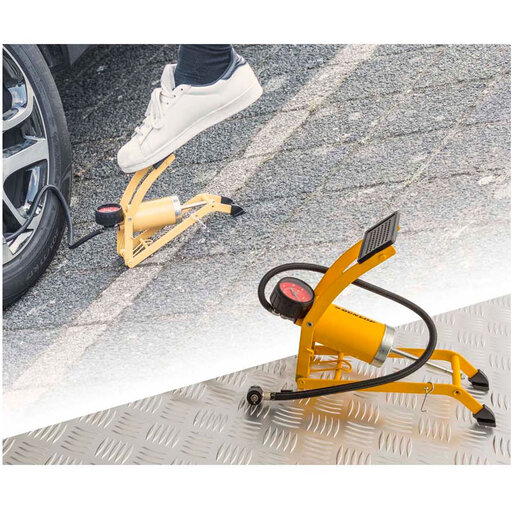
Why it fits this profile: This mechanical foot pump works without a battery or mains power and is suitable for motorists who occasionally want to check their tyre pressure themselves.
The specifications mention a single cylinder, an analogue pressure gauge and a hose with clamp handle. There’s no hidden charging status or app required.
Steel construction, non-slip foot and foldable design. Suitable for most car tyres and toy products.
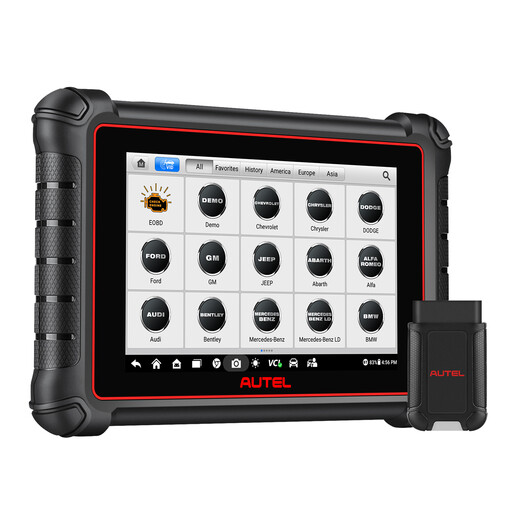
Why it fits this profile: This tablet is aimed at intensive diagnostic work in a small workshop or garage, where live data and multiple vehicle systems are relevant.
The description explicitly mentions support for CAN FD and DoIP, but vehicle coverage and functions may vary by make and model. Checking compatibility in advance is still necessary.
8-inch touchscreen, Bluetooth connection, AutoVIN and support for live data, fault codes and active tests according to the product description.
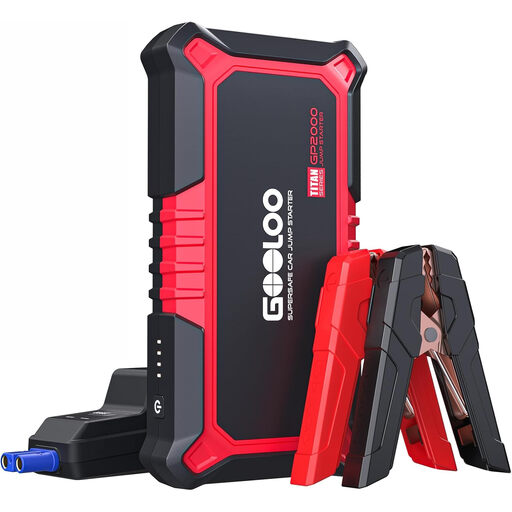
Why it fits this profile: A practical choice for drivers who want to be prepared for a flat 12V battery while on the road and who regularly carry the device with them.
The product information states a 12V system, a minimum charge level before use and a fixed connection sequence. This makes the usage conditions clearer than just a high amp claim.
According to the product description, the model delivers 2000 A peak current, has USB outputs and an LED lamp with normal, strobe and SOS modes.
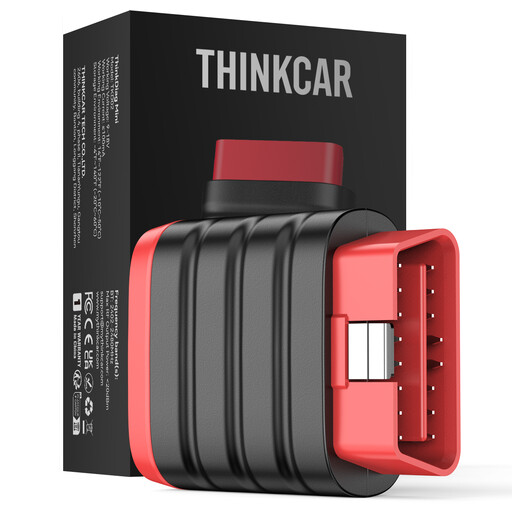
Why it fits this profile: The compact size and Bluetooth connection suit car owners who want to read basic fault information themselves via a smartphone.
The product information makes it clear that the ThinkDiag+ app is required and that maintenance resets and special functions are not included.
Compact design of 60 × 48.5 × 22.5 mm and support for multiple common vehicle protocols according to the product description.
We’ve put together a full, up-to-date list of products that fully meet these strict selection criteria and comply with current European safety regulations.
A tyre pump, tyre repair kit, torch and jump starter can be useful if you break down on the road. For electronic devices, check the charge level regularly. A car battery charger is mainly suitable for home use and requires a suitable location with ventilation and protection against moisture.
Yes, a simple OBD2 adapter can be used to read fault codes and basic data, as long as the car and app are compatible. A fault code does not automatically indicate the cause of a defect. Use the information as a guide and have safety-critical issues, such as brake or steering faults, checked.
First check whether the car uses the correct lamp type. Then pay attention to the available space, cooling, connector and any CANbus messages. After installation, the beam pattern must be checked. If you’re unsure about the connection or adjustment, professional installation is wiser than improvising yourself.
