
Vandaag of morgen in huis

Kwaliteit gegarandeerd

Welkomstaanbiedingen ontgrendelen: GRATIS bezorging | Tot 80% korting | Gratis 30 dagen JoyPlus-proefperiode
Download de app
A phone that runs out of battery, a loose cable when you change gear, or a dashcam that won’t work in parking mode: good car accessories solve practical problems, but only if they’re compatible with your vehicle and devices. If you only look at high wattage, lots of features or a low price, you could quickly end up with a product that disappoints in real-world use.
When buying car accessories, watch out for three common pitfalls:
First, check whether the accessory is suitable for a 12V or 24V socket. Cars typically use 12V, while some vans, trucks and campervans support 24V. A USB-C car charger must also offer the right charging protocol, such as USB Power Delivery or Quick Charge, if you need to charge your phone, tablet or laptop quickly.
The stated wattage is a maximum under certain conditions. When multiple devices are connected, the available power is shared. Also check the fuse rating in your vehicle’s manual. This will help prevent a fast car charger from cutting out repeatedly under high load.
A car phone mount shouldn’t just fit your phone’s size. Also consider:
With a wireless car charger, it’s important that your phone supports the correct wireless charging protocol. A magnetic mount may hold the phone without actually charging it wirelessly. Manufacturers may make compatibility or charging claims based on their own product specifications, so always check your own device and case.
For accessories that draw power for longer periods, such as a dashcam hardwire kit, cable routing and battery protection are important. A kit with undervoltage protection can cut the power when the voltage drops too low, but its performance depends on installation and compatibility with the dashcam.
With a 12V to 230V car inverter, you need to distinguish between continuous power and peak power. Don’t connect a device that exceeds the stated continuous power rating. Keep ventilation openings clear and, unless the vehicle manufacturer advises otherwise, use the inverter when the engine is running.
The selection below is based on verifiable product data, connections, compatibility and installation requirements. These recommendations are not a general ranking: the right product depends on your vehicle and how you use it.
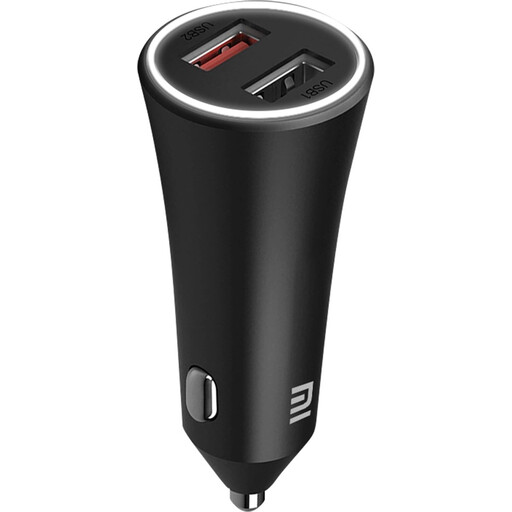
Why this fits the profile: Two USB-A ports and a stated total output of 37 W are practical for daily commuting and charging two phones at once.
The ports and maximum power are clearly stated. Just check that your devices use USB-A cables.
Two outputs, 37 W total and compatible with a 12V-24V socket.
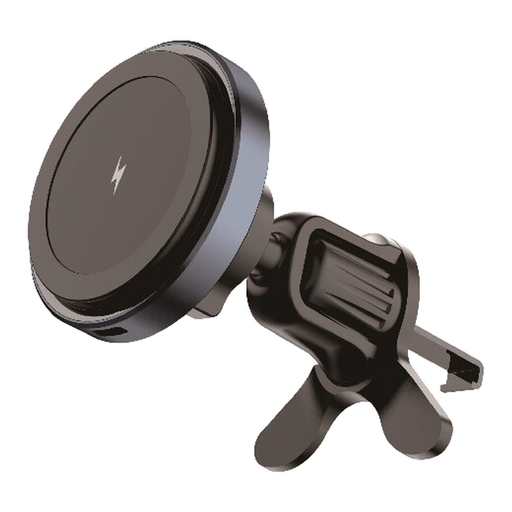
Why this fits the profile: This mount combines a 360° rotatable attachment with magnetic wireless charging for MagSafe-compatible phones and cases.
The product information explicitly mentions MagSafe compatibility and recommends a USB-C PD charger of at least 18 W.
Output levels of 5 W, 7.5 W, 10 W and 15 W; attaches to air vent or dashboard.
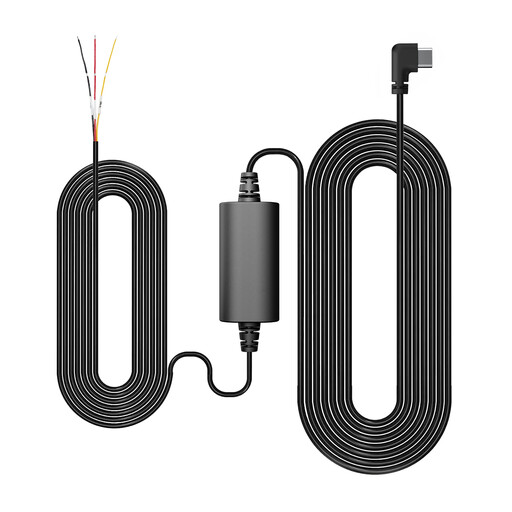
Why this fits the profile: Ideal for owners of a Botslab G980H-series dashcam who want to use parking recordings without leaving a cable plugged into the 12V socket.
The compatible models and Type-C connection are clearly specified. The system also features stated undervoltage protection.
Cable approximately 2.7 metres, 5V/2.4A output and support for time-lapse or collision-triggered recording.
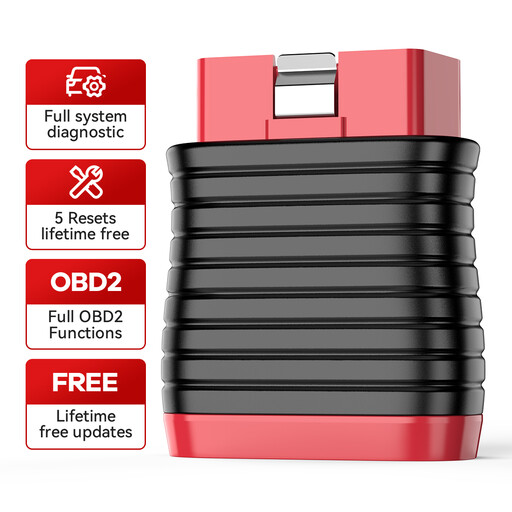
Why this fits the profile: Handy for drivers who want to check fault codes and some maintenance functions themselves using an iOS or Android device.
The product information states that the ThinkDiag+ app is required and that support may vary by vehicle model.
Bluetooth connection, full system diagnostics according to the product description and five stated reset functions.
For music in an older car, a Bluetooth FM transmitter can be a great solution. Check that you can use a free FM frequency and only set up the device when the car is stationary. A model with USB and USB-C ports can double as a charger.
A USB-powered car cooling fan is particularly handy when you want to direct airflow locally. Pay attention to the mounting and position it so that it doesn’t obstruct your view or controls. For extra visibility, there are also LED car lighting products, but before fitting or using them, check the Dutch traffic regulations and the rules for lighting on public roads.
We’ve put together a full, up-to-date list of products that fully meet these strict selection criteria and current European safety regulations.
A compact USB charger, phone mount and possibly a Bluetooth FM transmitter are often enough for commuting. Choose connections that match your phone and check that the mount doesn’t obstruct your view.
No. Check whether your phone supports wireless charging and whether the magnetic attachment is compatible with your device or case. Also pay attention to the power required: some mounts need a USB-C charger with sufficient PD output.
That depends on the connection and the design. An accessory plugged into the 12V socket can continue to draw power as long as that socket is live. So unplug chargers and transmitters when you park. With a dashcam hardwire kit, check that undervoltage protection is present and that the installation has been carried out correctly.
