
Vandaag of morgen in huis

Kwaliteit gegarandeerd

Welkomstaanbiedingen ontgrendelen: GRATIS bezorging | Tot 80% korting | Gratis 30 dagen JoyPlus-proefperiode
Download de app
Car accessories range from a Type 2 EV charger and a jump starter to a USB-C fast charger or tools for changing tyres. The right choice depends on more than just price or power. The connection, electrical installation, compatibility and intended use all determine whether an accessory will work for you in practice.
A higher figure may look appealing, but it doesn’t automatically mean your car will charge faster. For example, to use a 22 kW charge point, your car needs an onboard 22 kW AC charger. You’ll also need a suitable 400 V three-phase connection. If your car has a lower charging capacity or your home doesn’t have the right installation, the available power will be limited.
The same applies to a USB-C fast charger. A 160 W charger won’t automatically deliver 160 W to every connected device. The device, cable and port you use all affect the actual charging performance.
Not every electric car uses the same charging standard. In the Netherlands and across the rest of Europe, Type 2 according to IEC 62196-2 is commonly used for AC charging, but always check the connection on your car or plug-in hybrid. For a portable EV charger, the mains plug, maximum current and condition of the socket are important too.
The same checks apply to tools. An impact wrench with sockets included is only ready to use if the socket sizes match the wheel nuts or other fixings you want to loosen.
Protection against overheating, overloading or earth leakage is useful, but it doesn’t replace correct installation or inspection. A charge point must be connected by a qualified electrician in line with local regulations. Damaged cables, loose plugs and moisture around electrical connections remain risks, even when a product lists several protective features.
These figures matter when choosing a fixed charging solution:
A lower current setting can be useful if you’re not sure how much load the socket or circuit can handle. Don’t use unapproved adaptors or extension leads with a portable EV charger.
A 5-metre cable gives you more flexibility with a wallbox, but check that it will reach both the parking space and your car’s charging port. RFID controls can be useful if you want to start charging without a smartphone. App controls are mainly useful for scheduling and checking status, but require a suitable network connection.
When choosing a car jump starter, don’t look only at its stated peak current. Check which types of vehicle the product information says it’s suitable for, which cables are included and how you recharge the unit. For cordless tools, battery voltage, capacity in Ah, torque settings and included accessories are useful points of comparison.
A GaN fast charger is particularly useful if you want to charge several devices in a compact form. For example, a Baseus GaN5 Pro model has two USB-C ports and one USB port. The 65W version distributes power across multiple connected devices according to the stated port allocation. A 160W model comes with a USB-C-to-USB-C cable that, according to the product information, supports up to 240W; actual charging capacity still depends on the connected device.
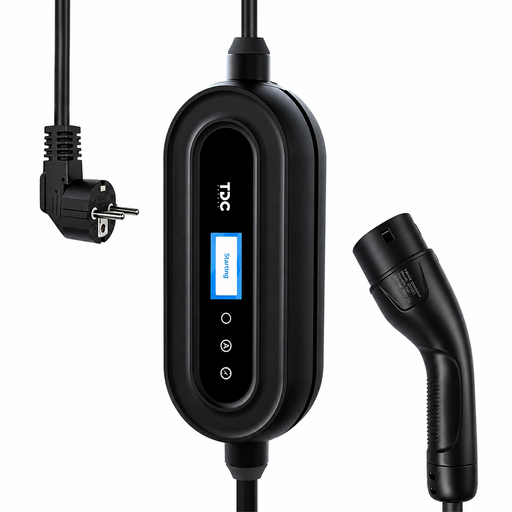
Why it suits this type of user: This portable EV charger is a good fit for EV and plug-in hybrid owners who want to charge at home or on the go from a 230 V Type F socket, without needing a fixed charge point.
Its charging power is clearly specified as 3.5 kW, and the current can be set to 8, 10, 13 or 16 A. Be sure to check the capacity of the socket and circuit beforehand.
Type 2 connection, 5 m cable, LCD screen, IP66 rating according to the product information, and control via button or app.
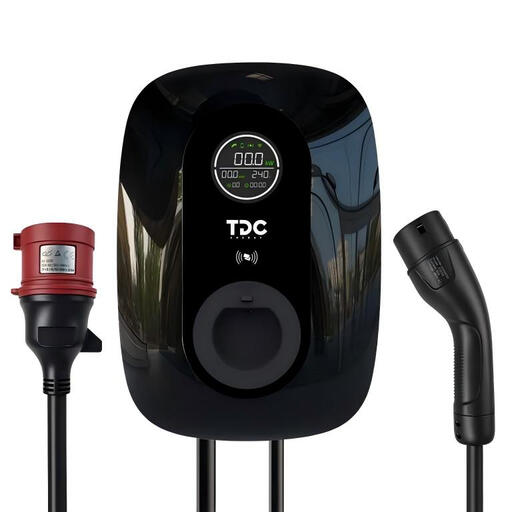
Why it suits this type of user: A good choice for everyday charging at home if your property has a suitable three-phase connection and you want fixed charging with app or RFID controls.
The required 400 V, 16 A and five-pin CEE connection are listed. Have a qualified electrician install and check the unit.
11 kW AC charging, 5 m cable, 3-inch display, RFID and app controls, and listed protection against overcurrent and earth leakage, among other risks.
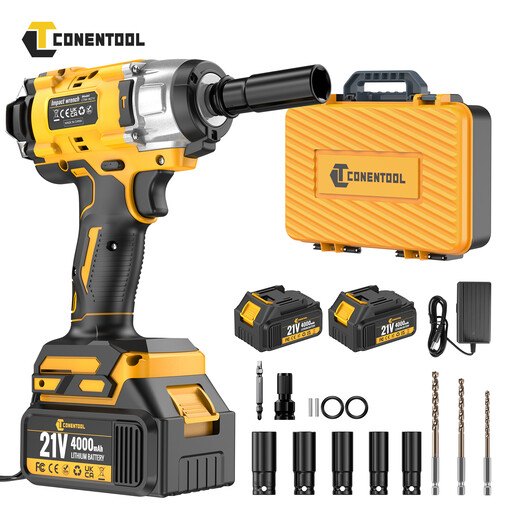
Why it suits this type of user: For DIY enthusiasts and motorists who regularly work on wheels, machinery or other fixings.
The three speed settings and variable trigger give you more control than relying solely on the maximum torque figure. Always use the correct tightening torque when fitting components.
21 V, brushless motor, stated maximum torque of 800 N.m, two batteries, LED lighting and five impact sockets included.
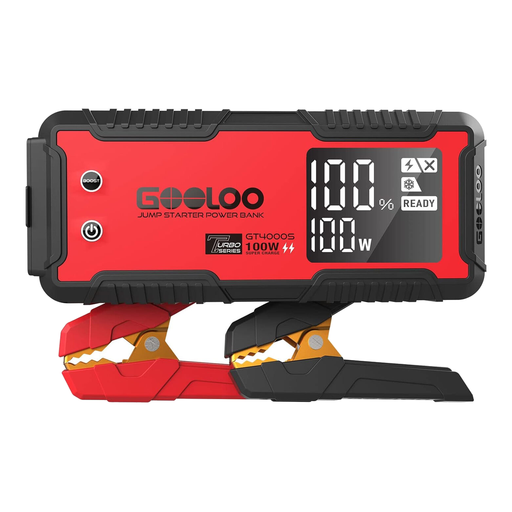
Why it suits this type of user: Handy for motorists who want to carry a jump starter, power bank and compact emergency light with them on the road.
The product information states that it supports 12V vehicles and includes jump leads. Always check the engine size and vehicle voltage before use.
According to the product information: 4000 A peak current, USB ports, a 100W charging function, display, torch and 100W car charger included.
For mobile devices, it’s also worth comparing the Baseus GaN5 Pro 65W charger and the Baseus GaN5 Pro 160W charger. Consider the number of ports, how power is distributed and whether you’re using a suitable USB-C cable.
We’ve put together a complete, up-to-date list of products that meet these strict selection criteria and the applicable European safety regulations.
That depends on your car, its onboard charger and your electrical connection. An 11 kW charge point requires a suitable 400 V three-phase connection with sufficient capacity. A 22 kW charge point has higher requirements and will only offer an advantage if your car supports this power.
It can be, provided you stay within the product specifications and the limits of your electrical installation. Check the earthing, maximum current and condition of the socket. Don’t use damaged cables, unapproved adaptors or extension leads. If in doubt, ask a qualified electrician to check the circuit.
Its lifespan depends on storage temperature, how often it’s charged, how it’s used and how well it’s maintained. Store your jump starter in a dry place, charge it according to the instructions and check the cables regularly. A car battery charger or jump starter won’t fix a faulty battery; have the battery checked if starting problems keep coming back.
