
Vandaag of morgen in huis

Kwaliteit gegarandeerd

Welkomstaanbiedingen ontgrendelen: GRATIS bezorging | Tot 80% korting | Gratis 30 dagen JoyPlus-proefperiode
Download de app
A phone holder that shifts after a few journeys, a battery charger that is not suitable for your battery, or a dash cam whose parking mode requires additional wiring: when it comes to car accessories, the difference often lies in the details. Marketing copy likes to focus on high numbers, smart features and broad compatibility. Always check first that the product suits your vehicle, how you intend to use it and your technical requirements.
This guide helps Dutch motorists, motorcyclists, families and DIY enthusiasts compare products more effectively.
An accessory may be suitable for many vehicles but still not fit your particular version. When choosing car electronics, check the year of manufacture, body style, connections and vehicle type. For a motorbike phone holder, the key considerations are the handlebar diameter, phone dimensions and the thickness of the case.
Lighting also requires careful checking. A rear light for a Volkswagen Golf hatchback will not automatically fit a Variant, e-Golf or model with a different connector.
A car tyre inflator with a high maximum pressure is not automatically the most convenient choice. Also check the air output, power supply, dimensions and automatic shut-off. A compact cordless compressor can be useful in an emergency while you are out on the road; for regular maintenance, a foot pump without a battery may be easier to store.
With a car jump starter, the peak current is not the only thing that matters. Also check the supported engine size, battery voltage, charge level, clamp protection and storage life.
A dash cam with parking surveillance will often need a hardwire kit. Check that the kit is compatible with the specific model and port. An OBD2 scanner can read many vehicle systems, but the available functions vary by make, model and year of manufacture. Some devices require updates or app activation.
Make a quick checklist before buying:
For example, a car power inverter must be able to handle the total wattage of the connected devices. According to the product description, the BESTEK 300W Pure Sine Wave Power Inverter is designed for a maximum of 300 W continuous power and use via a standard 12V cigarette lighter socket. Ideally, use the inverter while the engine is running and keep the ventilation openings clear.
When choosing a car battery charger, check the battery type and capacity in Ah. A 12V charger is not automatically suitable for every battery. The EAFC 12V 6A charger lists support for AGM, GEL, SLA, EFB and wet lead-acid batteries, among others, with a range of 4 to 100 Ah according to the product information.
The EAFC 12V 12A charger lists a range of 2 to 150 Ah. On paper, this makes it more suitable for larger batteries, but always check the manual and the information on your battery. Treat “Pulse repair” as a feature stated in the product description; according to EAFC’s own information, it is intended for certain charging and recovery modes. It does not guarantee that a worn-out battery will become usable again.
For electrical car accessories, short-circuit protection, reverse-polarity protection, overheat protection and under-voltage protection are important points to check. For mounting products, locking mechanisms, fixing materials and accessibility matter more than appearance alone.
A car emergency hammer should be kept within easy reach rather than loose in a luggage compartment. According to the smosun Safehammer product description, the tool is intended for toughened side-window glass and not for laminated windscreens or rear windows. Read the instructions and check in advance where it can be safely mounted.
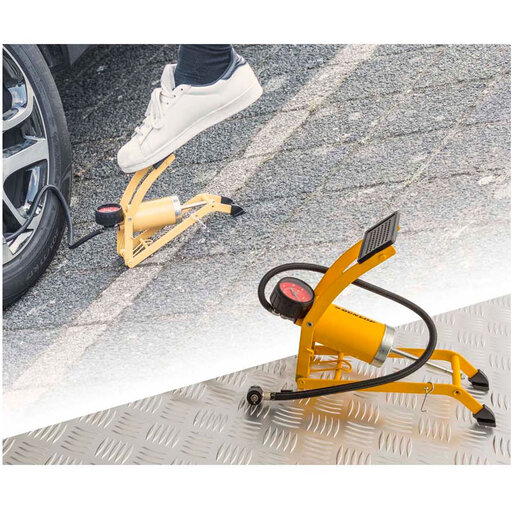
Why it suits this profile: A straightforward solution for motorists who occasionally need to inflate tyres or toys without having to charge an electrical device.
The specifications list an analogue pressure gauge, a non-slip foot and a steel construction. There is no battery or charging cable that could unexpectedly run flat.
Foldable design, a product weight of 724 grams and a hose with clip handle for most car tyres and inflatable products.
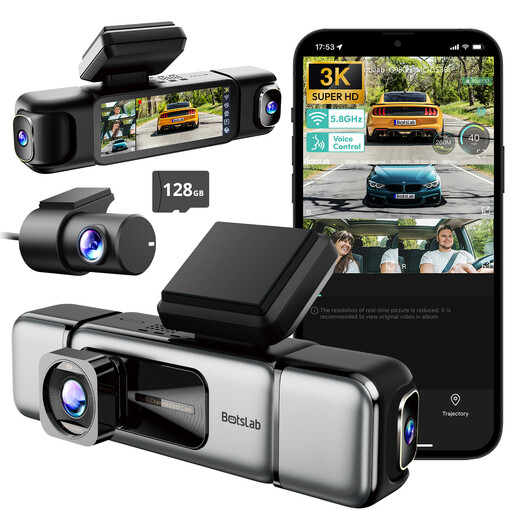
Why it suits this profile: Suitable for drivers who value multiple recording angles and extensive adjustment options.
The product information lists four channels and clearly states that parking mode requires a hardwire kit. This makes the installation requirements clear in advance.
3K front camera, four simultaneous recording channels, built-in GPS, 5.8GHz Wi-Fi and a 3.18-inch screen according to the product description.
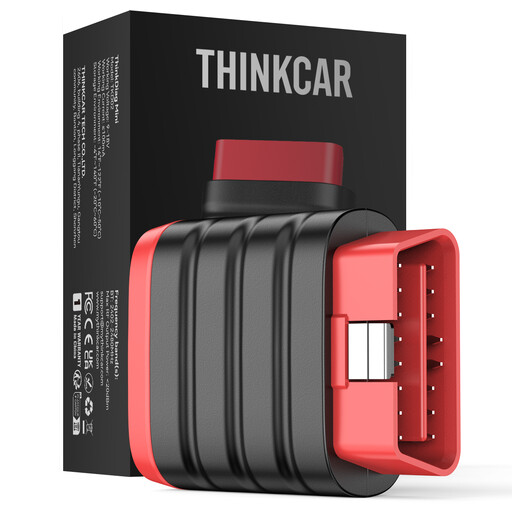
Why it suits this profile: Useful for DIY enthusiasts and small garages that want to view fault codes and vehicle data on a smartphone.
The product information explicitly mentions Bluetooth, Android and iOS support, as well as the supported communication protocols. Even so, check coverage for your make and model.
Compact dimensions of 60 × 48.5 × 22.5 mm, support for multiple protocols and a Dutch-language option in the app according to the product information.
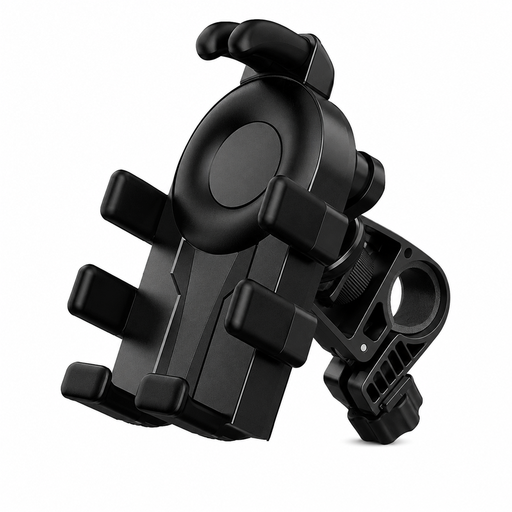
Why it suits this profile: For motorbike, scooter and bicycle riders who want to mount navigation on the handlebars and keep their phone within easy reach.
The stated measurements can be checked: suitable for phones from 4.7 to 7 inches and a thickness, including the case, of less than 12 mm. Some larger models may not fit with a case.
360° adjustable viewing angle, octopus clamp design, silicone padding and use on motorbikes, bicycles, scooters and ATVs according to the product description.
We have put together a complete, up-to-date list of products that fully meet these strict selection criteria and the applicable European safety regulations.
Depending on your situation, these categories may also be relevant:
When it comes to lighting and electrical installation, check the connections, sealing and alignment carefully. According to the product description, the TYPY set for VW Golf MK7/MK7.5 is intended for five-door hatchbacks from the specified model range and not for Variant, Alltrack or three-door versions. If in doubt, professional installation is advisable.
A tyre inflator, car jump starter, car emergency hammer and suitable phone holder are practical choices. Store safety products in a fixed location and check the charge level of electrical devices beforehand.
This depends on the vehicle, the condition of the battery and how the vehicle is used. Check the battery voltage and capacity before selecting a charging programme. Use a charger in a dry, well-ventilated environment and follow the connection sequence in the manual.
Not automatically. Many vehicles from a certain registration period onwards use OBD2 or EOBD protocols, but the available systems and functions vary by make and model. Before buying, check the compatibility list and decide whether you only want to read fault codes or also need servicing functions.
