
Vandaag of morgen in huis

Kwaliteit gegarandeerd

Welkomstaanbiedingen ontgrendelen: GRATIS bezorging | Tot 80% korting | Gratis 30 dagen JoyPlus-proefperiode
Download de app
Choosing a car accessory can seem straightforward. Yet most disappointing purchases come down to the wrong connection, unclear compatibility or features that add little in practice. A cheap car phone holder that won’t stay securely in place, an OBD2 scanner that only works with certain models or a car jump starter without enough power can all lead to frustration.
When shopping for car accessories, don’t focus on price and marketing claims alone. Always check the product specifications, connection type and conditions for use in your car.
“Suitable for most cars” doesn’t automatically mean a product will work with your vehicle. This applies to wireless CarPlay adapters, car diagnostic tools, H7 LED bulbs and car parts, among other products.
Before you buy, check:
With a diagnostic tool, features such as ECU coding, battery registration or TPMS reset may vary by vehicle. For example, KINGBOLEN states that the functions available on the K7 depend on the vehicle model. Check compatibility before you order.
A car jump starter’s peak current isn’t the same as its performance in normal use. Likewise, a claim of “500% more light” for H7 LED bulbs is a manufacturer’s claim, not a universal standard. According to Roadsun’s own product information, the bulb in question provides 500% more brightness than standard halogen bulbs. However, the actual beam pattern also depends on the headlamp housing, adjustment and vehicle compatibility.
Compare several specifications:
A product may be technically suitable but still be used incorrectly. For example, a 300-watt inverter should be kept well ventilated and, ideally, used with the engine running to avoid unnecessarily draining the car battery. Remove an FM transmitter from the 12V socket if the car will be parked for a long time.
It’s important to check the beam pattern when fitting lights. A bulb that isn’t fitted correctly can dazzle oncoming drivers. Also check that the bulb is suitable for your headlamp and whether fitting or checking it is required under UK road rules.
An OBD2 car diagnostic tool is only useful if your car supports the right protocol. A basic OBD2 scanner may mainly read engine data, while more advanced models can also access other systems.
The KINGBOLEN K7 lists support for features including Bluetooth diagnostics, live data, fault codes, vehicle identification and several maintenance functions. The manufacturer names more than a hundred vehicle makes, but also notes that functions may vary by model. Use this information as a guide, not as a guarantee that every function will work with every car.
When choosing a car battery charger, make sure the battery voltage and capacity are suitable for the device. According to its product specifications, the EAFC 12V 6A charger is designed for 4–100 Ah batteries and several lead-acid types, including AGM, GEL, EFB and wet-cell batteries. A LiFePO4 battery will generally need a suitable charging setting and compatible charger; don’t simply use a lead-acid charger.
For a 12V to 230V car inverter, check:
A car tyre inflator should have a long enough hose, a clear pressure gauge and a suitable valve connector. The Dunlop folding foot pump has an analogue pressure gauge, an anti-slip base and a single cylinder. It’s a practical choice for occasional top-ups, but less suitable if you regularly need to inflate several tyres.
For a car phone holder or motorbike accessories, check the maximum phone dimensions, its thickness with a case and how it attaches to the handlebars or dashboard. A secure clamp matters more than a holder that simply swivels.
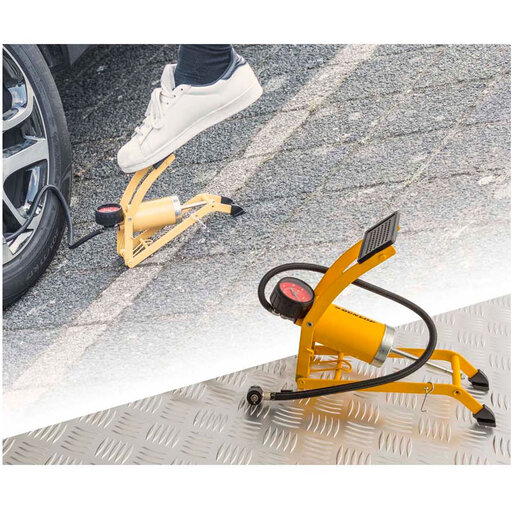
Why it suits this profile: For drivers who occasionally want to check their tyre pressure themselves without buying an electric device.
The specifications list an analogue pressure gauge, an anti-slip base and a connector suitable for most car tyres. Be sure to check the valve type yourself.
No power supply needed, a folding design and a weight of around 724 grams.
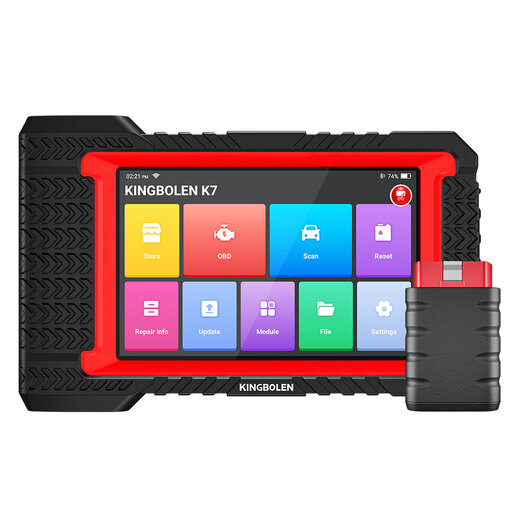
Why it suits this profile: Designed for DIY mechanics and garages that need more than just an engine code reader.
The product information lists its functions and update terms, and warns that menu options vary by vehicle.
Bluetooth diagnostics, live data, bidirectional tests and several reset functions; the seller says there are no annual update fees.
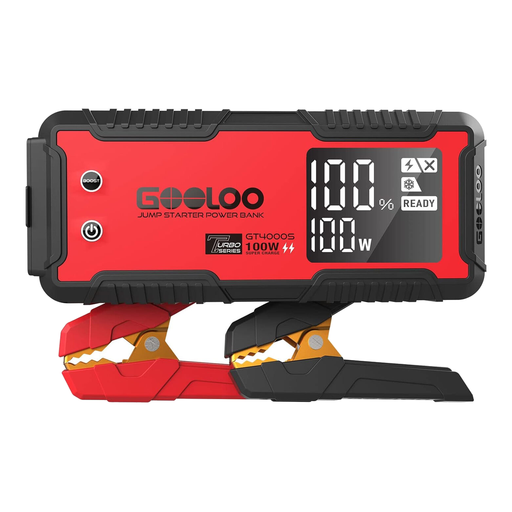
Why it suits this profile: A handy choice for drivers who take long journeys, use several vehicles or want to be prepared for a flat battery.
The product specifications list protection technology, a status display and 12V use. Even so, check that your engine size falls within the stated limits.
4000A peak power according to the product information, USB ports, a work light and a 100W car charger included.
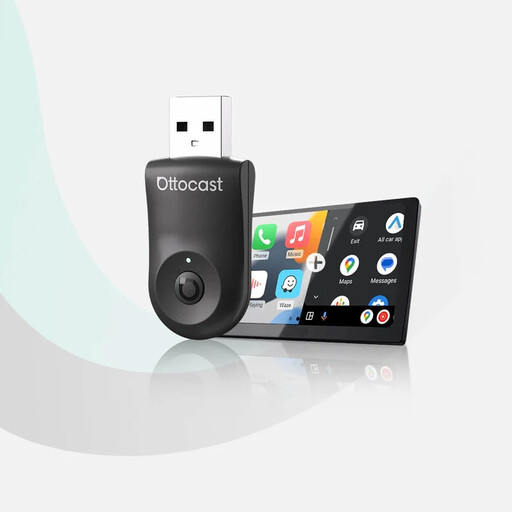
Why it suits this profile: For anyone who wants to make an existing wired connection wireless without replacing the car stereo.
The seller states that wired CarPlay or Android Auto is required. Check the compatibility list; Tesla and some other vehicles are excluded.
Compact design, 5GHz Wi-Fi and support for switching between two paired devices.
We’ve put together a complete, up-to-date list of products that meet these strict selection criteria and the applicable European safety regulations.
Alongside diagnostic equipment and jump starters, there are practical accessories for everyday use:
A car jump starter, tyre inflator, torch and car emergency hammer are a practical starting point. Keep them somewhere fixed and easy to reach, and check the charge level of electronic devices regularly.
Not every scanner supports all makes, systems or functions. Check the vehicle list, year and function you need. A basic fault code reader is different from a tool for full system diagnostics or ECU coding.
Ideally, use a 12V to 230V car inverter with the engine running, and don’t exceed its stated wattage. Unplug a Bluetooth FM transmitter and other 12V accessories when the car won’t be used for a long time.
