
Vandaag of morgen in huis

Kwaliteit gegarandeerd

Welkomstaanbiedingen ontgrendelen: GRATIS bezorging | Tot 80% korting | Gratis 30 dagen JoyPlus-proefperiode
Download de app
A handy phone holder, a tidy boot or a car jump starter can make everyday driving easier. However, not every product is suitable for every car. Marketing copy often focuses on a long list of features, while important details such as dimensions, connections and materials are less prominent.
Look out for these common pitfalls:
Before you buy, measure the space where the product will go. For a car phone holder, check the width and thickness of your phone, including its case. For a car cup holder, check the diameter of the centre-console recess and the space around the gear stick.
For multimedia accessories, the connection is crucial. A wireless CarPlay adapter or Android Auto adapter won’t automatically work with every infotainment system. Check whether your car already supports wired CarPlay or Android Auto, and whether your smartphone meets the stated software requirements.
For everyday use, ABS, PC, metal and reinforced fabrics are commonly used materials. However, material alone doesn’t determine whether a product is suitable. Also check:
A boot organiser made from 600D Oxford fabric can be handy for shopping and cleaning supplies. Don’t put sharp or extremely heavy items in it if the manufacturer advises against doing so.
An accessory must not obstruct the controls, mirrors, lights or your view. A blind-spot mirror is only an additional viewing aid; it doesn’t replace your regular wing mirror or checking your blind spot by looking around yourself.
Take extra care with parts near the seat belt. A replacement seat-belt buckle must be suitable for the vehicle and correctly fitted to an appropriate metal fixing. Never use one of these parts to disable a seat-belt warning. Also check that the product complies with the regulations in force before use.
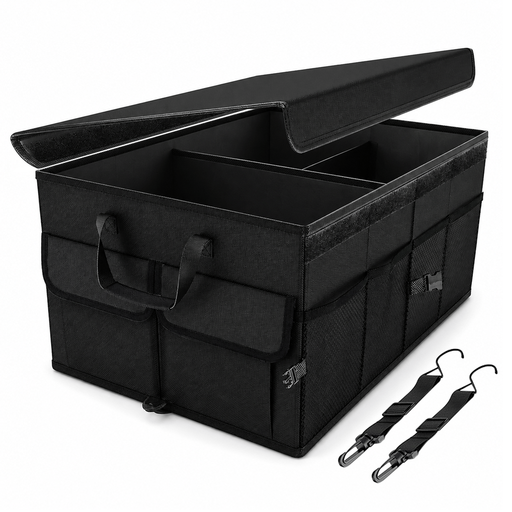
Why it suits this profile: For anyone looking for a simple way to store shopping, sports gear or car maintenance accessories without permanent installation.
The dimensions, capacity and layout are clearly stated. The box folds flat and has adjustable dividers and straps to keep it in place.
60-litre capacity, three compartments, 600D Oxford fabric and a design that folds flat.
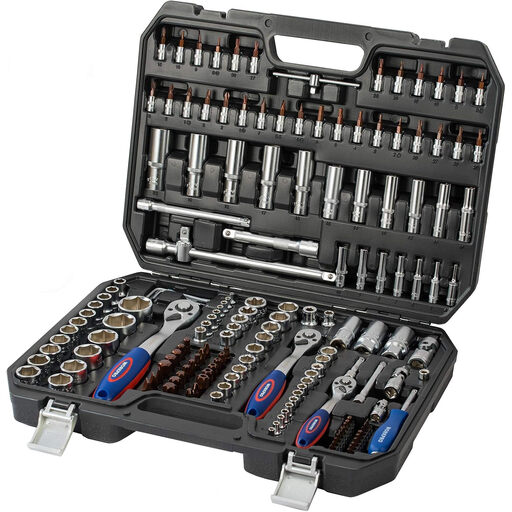
Why it suits this profile: Ideal for DIY car mechanics, garage use and drivers who want one organised tool set for a range of jobs.
The set lists the sizes, drive types and contents of each component. That makes it less likely you’ll end up with a collection that’s missing metric sockets.
172 pieces, three 72-tooth ratchets, Cr-V steel and a labelled storage case.
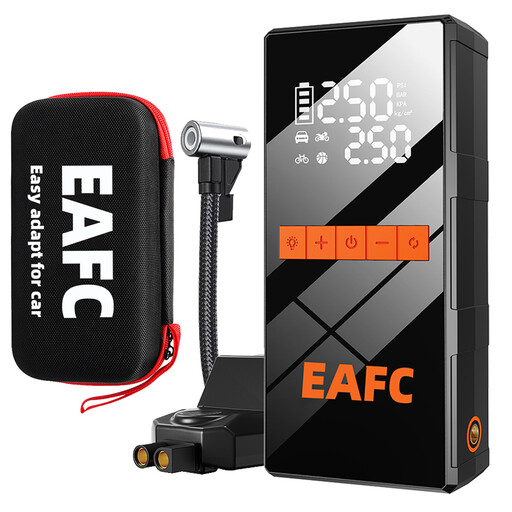
Why it suits this profile: Handy for long drives, camping trips and drivers who want to keep compact emergency equipment in the car.
The product information lists the battery, charging time, temperature range and suitable engine sizes. It still needs to be charged regularly; a flat battery may prevent the car from starting.
1200A peak current, 150 PSI compressor, power bank and LED light in one device.
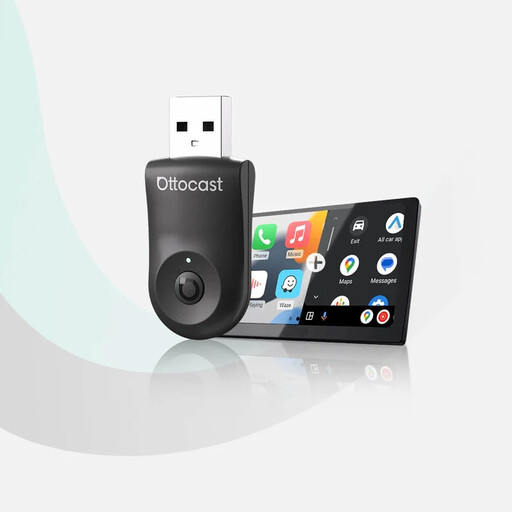
Why it suits this profile: A compact option for anyone who wants to use navigation and music wirelessly in a car with compatible wired smartphone integration.
Check the compatibility list first. The adapter is designed for vehicles with wired CarPlay or Android Auto; wireless functionality won’t simply be available without this underlying feature.
Compact design, 5GHz Wi-Fi and support for both wireless CarPlay and Android Auto, according to the product description.
We’ve put together a complete, up-to-date list of products that meet these strict selection criteria and the applicable European safety regulations.
Start with a car phone holder, a boot organiser and a compact emergency kit. Car cleaning products, a tyre inflator and a power bank can also be useful for many drivers. Choose based on how you’ll use them, rather than the number of features.
No. The car will generally need to support wired CarPlay or Android Auto already. Also check your smartphone’s operating system version, the available USB connection and the manufacturer’s compatibility information. If you’re unsure, a portable CarPlay screen with its own power supply is an alternative, but you’ll still need to consider how it is mounted, whether it obstructs your view and how it connects to the audio system.
Its lifespan depends on how it is stored, the temperature and how it is charged. For the model mentioned, the instructions say to charge it before first use and recharge the battery every twelve months. Store the device somewhere dry, check its charge level before a long drive and use the jump leads according to the instructions.
