
Vandaag of morgen in huis

Kwaliteit gegarandeerd

Welkomstaanbiedingen ontgrendelen: GRATIS bezorging | Tot 80% korting | Gratis 30 dagen JoyPlus-proefperiode
Download de app
A phone mount, dash cam or car battery booster may seem like a quick purchase. But accessories can vary considerably in how they’re fitted, their compatibility, battery management and ease of use. If you focus only on a high current rating, a large screen or lots of features, you could end up with a product that doesn’t fit, runs out of charge quickly or proves awkward to use while driving.
This guide helps UK car owners, commuters, travellers and DIY mechanics compare car accessories using verifiable specifications.
A high peak current may sound appealing in a car jump starter. However, you should also check 12V compatibility, engine type and the maximum engine capacity the model is designed for, according to the product description. A car battery booster for a small petrol car isn’t necessarily suitable for a large diesel engine.
The same applies to a portable tyre inflator. A maximum pressure of 150 PSI doesn’t tell you how quickly it will inflate a car tyre. Also check the airflow rate, automatic shut-off, hose length and how long the device needs to cool down.
A car phone mount may be suitable for a wide range of vehicles, but where you fit it still matters. A suction cup needs a clean, flat surface. A vent mount shouldn’t block buttons, airflow or your view. Also check that there’s enough room for your phone with its case on.
For a wireless CarPlay or Android Auto screen, check that your smartphone and car support the necessary features, as well as checking the connection. Plug-and-play power via the 12V socket doesn’t automatically mean that every audio connection will work wirelessly.
A lithium-battery jump starter needs charging from time to time, even if you rarely use it. Product information for various models recommends recharging the battery every few months, or at least every twelve months. A flat emergency battery won’t help if you break down on the road.
The power supply is also important for a dash cam with parking surveillance. Continuous recording may require a hardwire kit and correct installation. Also check whether a memory card is included and how loop recording and protected files work.
When choosing a dash cam, look at:
A 10.26-inch CarPlay screen can be useful for navigation and voice control, but position it so that it doesn’t obstruct your view. If you’re mounting it on the dashboard, a sturdy base and adjustable viewing angle are important.
An OBD2 diagnostic tool will only work if your car supports the right protocol and connection. So check:
A compact car diagnostic tool, such as a Bluetooth adapter, is handy on the road. More professional scanners often have their own screen and more features, but they also require more knowledge and a bigger budget.
When comparing jump starters, check:
An electric impact wrench can make it easier to loosen wheel nuts, but always use the torque specified by the car manufacturer when tightening them fully. A device with a stated torque rating isn’t automatically a calibrated torque wrench.
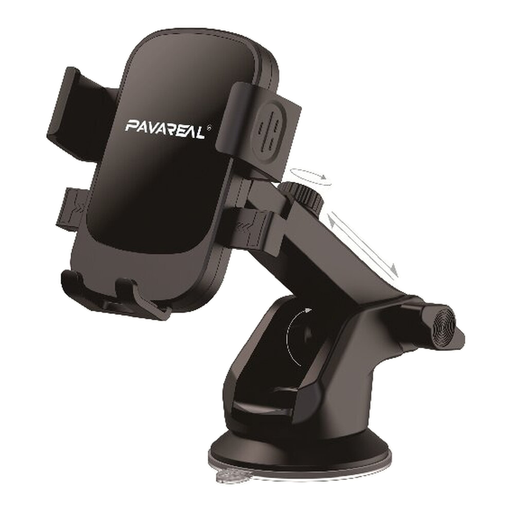
Why it suits this profile: This phone mount can be fitted to the windscreen with a suction cup or attached to the mirror. That’s useful if you want to try out different positions to see which works best in your car.
The two mounting options reduce the risk of being stuck with a position that doesn’t work for you. You’ll still need a clean surface and a secure fit.
360° rotation, a telescopic reach of 10 to 15 cm and one-handed operation, according to the product description.
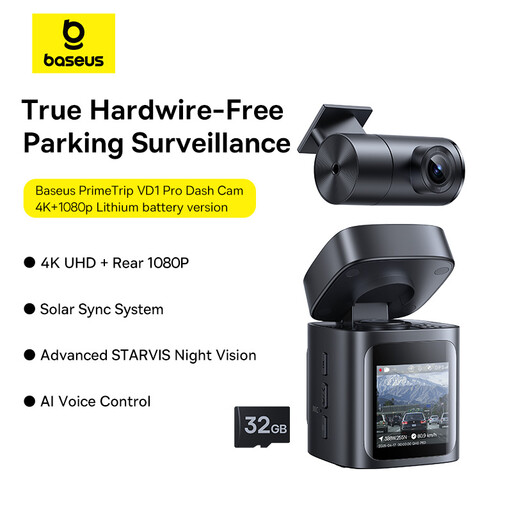
Why it suits this profile: A good choice for motorists who want to combine front and rear cameras with WiFi, loop recording and parking surveillance.
The stated 4K front and 1080p rear resolution makes it clearer how the image quality is split than simply looking for a general “high resolution” claim. Correct connection is needed for parking mode.
4K + 1080p, WiFi, G-sensor, loop recording and compatibility with a 12V/24V socket or hardwire installation.
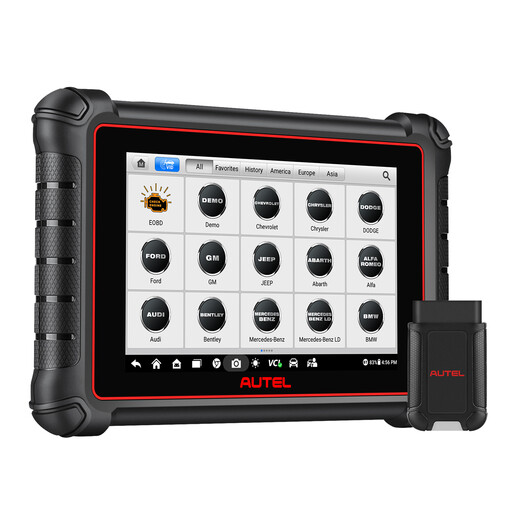
Why it suits this profile: This diagnostic tool is aimed at DIY users and maintenance jobs where a basic fault code reader isn’t enough.
The product description lists full-system diagnostics, live data and active tests. Before buying, check that the function you need is available for your make and model.
8-inch touchscreen, Bluetooth connection, CAN FD and DoIP support, and a package that includes one year of updates, according to the product description.
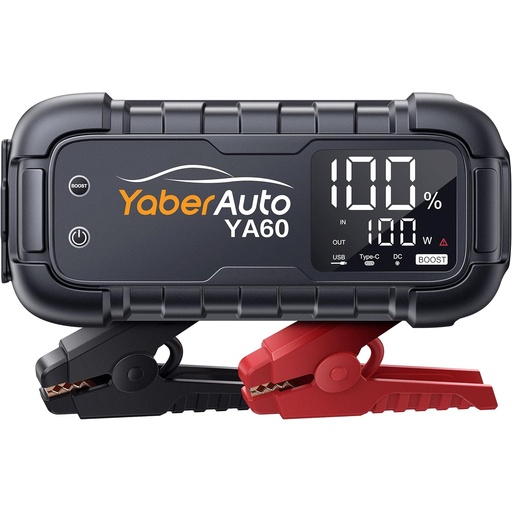
Why it suits this profile: A practical choice for long journeys, camping and motorists who want to charge devices as well as start their car.
The product information lists ten safety features, but correct connection and regular charging are still essential. The stated limit is for 12V petrol and diesel engines up to 12.0 litres.
8000A peak current according to the product description, 65W USB-C, 150W DC output and a 600-lumen LED light.
We’ve put together a complete, up-to-date list of products that meet these strict selection criteria and the applicable European safety regulations.
A car battery booster or jump starter, a portable tyre inflator, a torch and an emergency hammer can all be useful. Focus on vehicle compatibility, battery condition, storage size and clear safety instructions. Keep an emergency hammer within easy reach, not buried in the boot.
Its lifespan depends on heat, the memory card, power supply and daily use. Check regularly that the camera is still recording, format the memory card according to the instructions and replace it if files become corrupted. If you use parking surveillance, you should also keep an eye on the condition of your car battery.
A basic OBD2 diagnostic tool may be enough to read fault codes, provided your vehicle supports the right protocol. For ABS, airbags, service resets or active tests, you’ll need a more advanced diagnostic tool. Always check coverage by make, model and function before ordering.
