
Vandaag of morgen in huis

Kwaliteit gegarandeerd

Welkomstaanbiedingen ontgrendelen: GRATIS bezorging | Tot 80% korting | Gratis 30 dagen JoyPlus-proefperiode
Download de app
Personalising or upgrading your car is a rewarding hobby. Whether you're looking for better lighting, a sportier look, or simply need to replace a practical part, the range of car accessories available online is enormous. But this abundance can also lead to decision fatigue and buyer's remorse. As a Product Recommendation Officer at Joybuy, I see where things go wrong every day. Let's walk through the most common pitfalls so your next purchase is a perfect fit.
Before you fill your shopping cart, it's wise to consider a few common problems that many car enthusiasts encounter:
You don't need to be a mechanic to avoid the pitfalls mentioned above. By paying attention to a few core specifications, you can make a much more informed choice.
When replacing headlights or installing new LED fog lights, the fit is everything. Look for products with a 1:1 design. This means the dimensions and connection are identical to the original halogen part. This guarantees a "plug-and-play" installation without any need for drilling, cutting, or extra wiring. Always check the fitment code (e.g., H4, H11, 9005) in your car's manual before ordering.
Modern cars use a CAN bus (Controller Area Network) system to monitor all electronic components. LED bulbs consume far less power than halogen bulbs. The CAN bus system can interpret this low consumption as a burnt-out bulb and trigger an error message. A Canbus LED bulb has a built-in resistor or decoder that prevents this. If you have a car made after circa 2005, it's wise to choose accessories explicitly labeled "Canbus Error Free" or "Canbus Ready."
LED chips produce heat. Without effective cooling, their performance and lifespan deteriorate rapidly. For high-power LED car lighting, look for the presence of a cooling system. This could be a built-in fan or a passive heat sink made of aviation-grade aluminum. A good cooling system is a sign of quality and a prerequisite for longevity, something that is essential for serious tuning parts and car styling.
Not everyone is looking for the same thing. Here are a few recommendations tailored to different needs and desires.
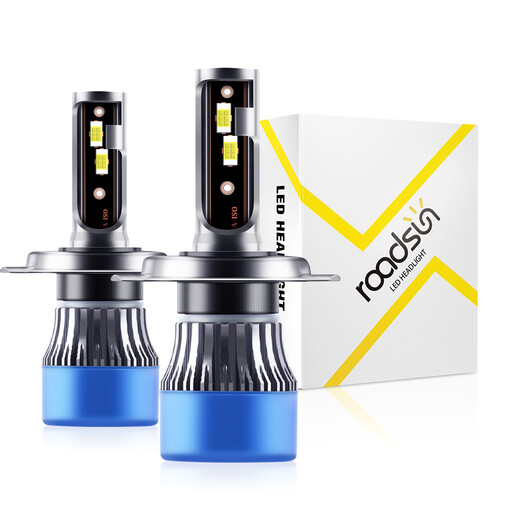
Why This Fits Their Persona: This driver wants a noticeable improvement in visibility and safety without the hassle. The H4 fitment with integrated high and low beams is one of the most common types, and an upgrade to bright white light makes night drives more pleasant and safer.
The plug-and-play design fits directly into the original housing, avoiding the poor fitment pitfall. The built-in fan provides active cooling, which supports the claim of a long lifespan.
Integrated high and low beam in a single bulb. The 6000K color temperature provides a modern, bright white light pattern that improves visibility.
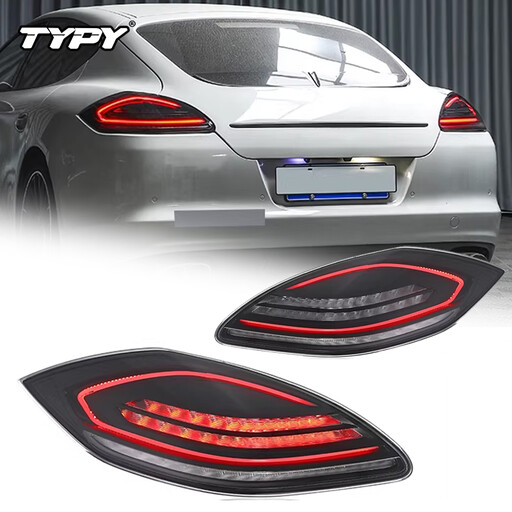
Why This Fits Their Persona: For this owner, it's about more than just function; appearance is crucial. An upgrade to full LED taillights with a 'smoked' finish and dynamic turn signals gives the car an instantly more modern and exclusive look.
This is a complete unit specifically designed for the Porsche Panamera 970.1 (2010-2013). This completely avoids the 'universal fit' pitfall. The plug-in connection is made for the original wiring.
Sequential turn signal for a dynamic effect. The 'smoked' lens provides a subtle, sporty look that accentuates the car's lines.
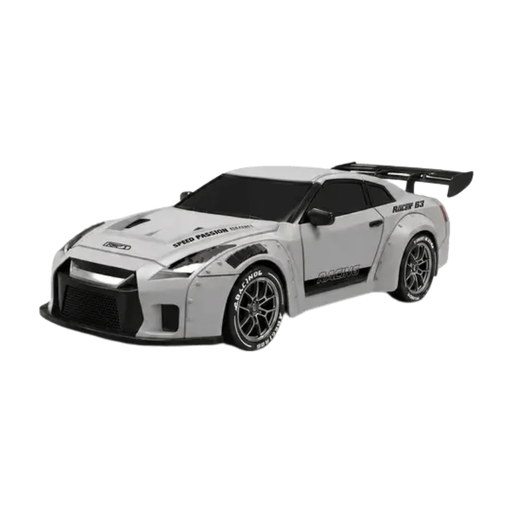
Why This Fits Their Persona: For those whose passion for cars extends beyond the driveway, an **RC drift car** is the perfect accessory. This isn't a toy, but a hobby-grade model with features you'd find in the real tuning world, like a gyroscopic stabilizer and interchangeable tires.
Unlike cheap toys, this model offers serious specifications. The proportional steering and adjustable gyro prevent the frustration of an uncontrollable car. The set is complete with two types of tires (drift and race).
Adjustable gyro stabilizer helps control drifts. Comes with both drift tires (low friction) and race tires (high grip) for versatile use.
We've curated a complete, up-to-date list of products that meet these strict selection criteria and current regulations.
That depends on your car and the bulbs you buy. If you have a car made after circa 2005, you likely have a CAN bus system. It's best to choose bulbs sold as "Canbus Error Free." If you still get an error message, a separate Canbus decoder (also called a resistor) can be the solution.
The most reliable way is to consult your car's owner's manual. It will contain a list of all bulbs and their fitment codes (e.g., H7, T10, W5W). You can also remove the old bulb from its socket; the code is often printed on the base of the bulb itself.
Not necessarily. A higher price can indicate better materials, a more advanced cooling system, and superior Canbus integration. However, focus on the specifications that are important to you. A bulb with a fan and an aluminum housing from a reputable brand is often a more durable choice than a cheap, unbranded bulb with exaggerated claims about its light output. Check the specs, not just the price.
