
Vandaag of morgen in huis

Kwaliteit gegarandeerd

Welkomstaanbiedingen ontgrendelen: GRATIS bezorging | Tot 80% korting | Gratis 30 dagen JoyPlus-proefperiode
Download de app
Finding the right car accessories can feel like navigating an overcrowded market. Whether you want to improve safety, increase convenience, or perform your own car maintenance, the choices are endless. Unfortunately, so are the pitfalls. Many products overpromise and underdeliver, leaving you with useless gadgets and an empty wallet.
Before you invest in an upgrade, it's smart to know what to look for. We often see drivers fall into a few common traps:
By focusing on a few key specifications, you can avoid these problems and make a purchase that you'll actually benefit from.
To avoid a bad purchase, it helps to understand a few technical details. This will help you distinguish marketing hype from actual performance.
When upgrading your headlights to LED, brightness (lumens) isn't the only thing that matters. A correct beam pattern is crucial for your safety and the safety of others.
For electric vehicle owners, a portable EV charger is a lifesaver. But the charging speed heavily depends on the power source.
For accessories like a 12V car vacuum or tools for car maintenance, the design and material choice determine their usability.
Based on these criteria, we have selected a number of products that suit different types of users.
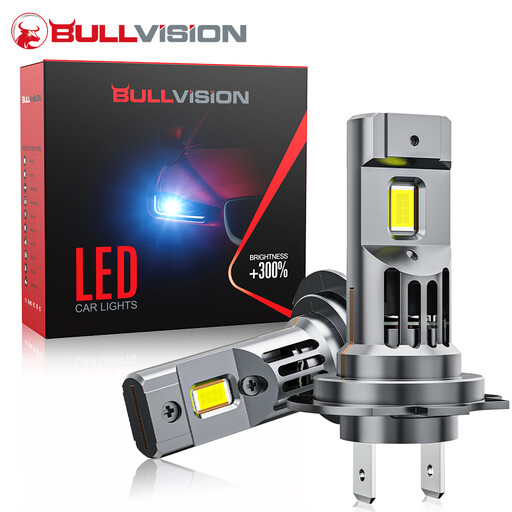
Why This Fits Their Persona: Ideal for the driver who wants a noticeable improvement in visibility and safety without complex modifications. A direct upgrade for better night-time vision.
The 1:1 design mimics the original halogen bulb, which ensures a correct beam pattern and minimises glare for oncoming drivers. The product information is transparent about the potential need for an additional CAN bus decoder for specific car brands.
Simple plug-and-play installation and a noticeably brighter, white light (6000K) for better visibility. The built-in fan aids in cooling for a longer lifespan.
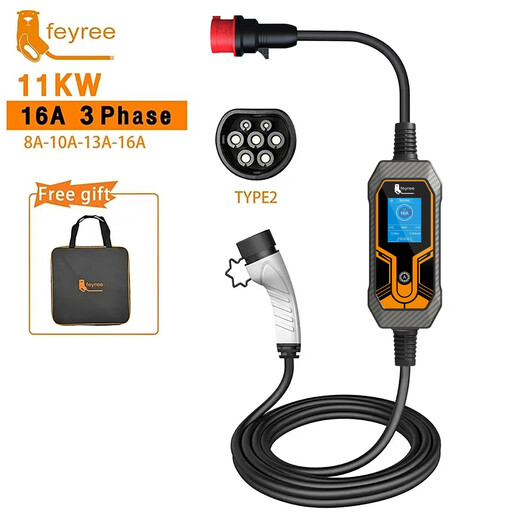
Why This Fits Their Persona: Perfect for the EV driver who doesn't want to depend on public charging stations and is looking for a reliable charging solution for on the road, at a friend's house, or at a campsite.
This charger uses a CEE plug, enabling faster and more stable charging up to 11 kW than a standard outlet. The LCD screen provides clear information on charging status and any errors, and the device is equipped with multiple safety protections (e.g., over-voltage, leakage).
High compatibility with most electric cars (IEC 62196 standard). The charging current is adjustable, offering flexibility in different locations. The charger is portable and robustly built.
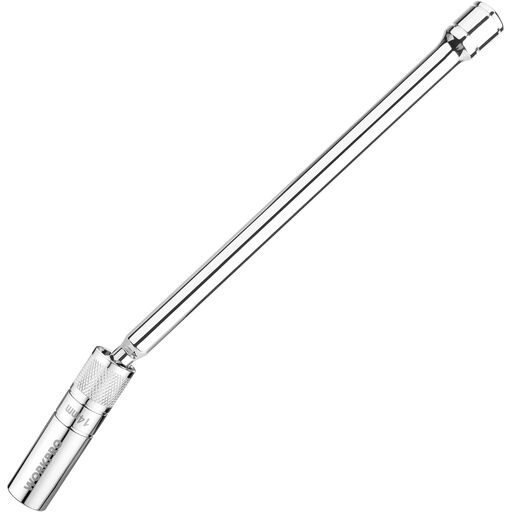
Why This Fits Their Persona: For the hobbyist who enjoys doing their own work and needs the right tool to perform maintenance, like changing spark plugs, efficiently and without frustration.
Prevents the frustration of dropping a spark plug into the engine bay thanks to its strong magnetic core. The 360° swivel head and thin-wall design allow it to reach even difficult-to-access spark plugs in modern, compact engines.
Made from durable, heat-treated Cr-V steel for a long service life. The 12-point design provides a secure grip on the spark plug, reducing the risk of damage.
We have compiled a complete, up-to-date list of products that meet these strict selection criteria and local regulations.
Yes, in many regions it is permissible to replace your halogen headlights with LED bulbs, but there are rules. The bulbs must produce a correct beam pattern that does not dazzle oncoming drivers, and the light color must be white or yellow. Although an E-mark certification on the bulb itself may not be strictly required for an annual safety inspection, the overall beam pattern of the headlight must meet legal requirements. Therefore, choose bulbs that mimic the original beam pattern as closely as possible.
That depends on the charger's plug. A charger with a Schuko plug fits into a standard household outlet. A charger with a CEE plug (the red or blue 'three-phase' plug) requires a dedicated socket. Always check the charger's specifications and the capacity of the electrical grid before connecting it to prevent overloading.
The most reliable source is your car's owner's manual. It contains specific information about things like bulb fittings (e.g., H7, H4) and other specifications. For many products, you can also check compatibility online by entering your license plate number or your car's make, model, and year. When in doubt, always double-check the dimensions and connections.
