
Vandaag of morgen in huis

Kwaliteit gegarandeerd

Welkomstaanbiedingen ontgrendelen: GRATIS bezorging | Tot 80% korting | Gratis 30 dagen JoyPlus-proefperiode
Download de app
A flat battery, underinflated tyre or dashboard warning light usually appears at the worst possible moment. With the right car accessories, you can carry out simple checks and some routine maintenance yourself. Think of a car battery tester, car battery charger, car jump starter, car tyre inflator, digital tyre pressure gauge or OBD2 scanner.
However, comparing the options can be difficult. A high amperage rating, numerous accessories or promising product name does not always tell you enough. Pay particular attention to compatibility, measurement range and safe use.
Jump starters often prominently display their peak current. This is not the same as the normal starting current. Check whether the device is suitable for your type of vehicle, fuel and engine size. For example, the YaberAuto YA90 states that it supports petrol and diesel engines up to 8.0 litres, but always check the manual and your vehicle details.
The maximum pressure is not the only criterion for a car tyre inflator either. A compact pump can be useful for a passenger car, but according to the product description, the AstroAI L7S is not intended for 4x4s, motorhomes, lorries or trailers.
Not every charger or tester works with every battery. Check whether your vehicle uses a lead-acid, AGM, EFB, GEL or lithium battery. According to the product description, the BT500 battery tester supports standard lead-acid batteries, AGM, GEL and EFB, among others, but not lithium or deep-cycle batteries.
A LiFePO4 battery for a motorhome or boat also requires a suitable charger and compatible battery management system. A standard car battery charger for lead-acid batteries is not automatically suitable for lithium.
A ‘repair’ or pulse function may form part of a charging programme in certain situations. This does not mean that a worn or damaged battery will become fully usable again. According to the EAFC chargers’ product description, pulse repair is intended for certain issues such as sulphation or voltage loss. Treat it as a function worth trying, not as a guarantee of recovery.
The same applies to an OBD2 scanner. Such a device can read fault codes and system information, but a fault code does not always immediately tell you which component needs replacing.
When choosing a car battery tester, look out for:
For a car battery charger, the charging current in amps and supported capacity range are also important. A 6A charger is generally intended for small to medium-sized batteries, while a 10A or 15A model can charge more quickly if the battery and application are suitable. Always follow the charging sequence in the manual and charge in a suitable, well-ventilated area.
Compare the following points:
Measure tyre pressure when the tyres are cold and compare the reading with the sticker on the door pillar or the vehicle manual. The recommended pressure varies depending on the car and load.
An OBD2 scanner must be compatible with your car’s protocols, make and model. The Thinkcar ThinkDiag Mini works via Bluetooth with iOS and Android and supports several commonly used communication protocols. According to the product information, this model is designed for system diagnostics and does not include service resets or special functions.
For car detailing, speed control, polishing movement and pad diameter are all relevant. A compact car polishing machine with small backing plates is suitable for headlights, badges, wheels and narrow bodywork sections. A larger pad may be more efficient for larger panels. Use suitable pads and apply minimal pressure to reduce the risk of paint damage.
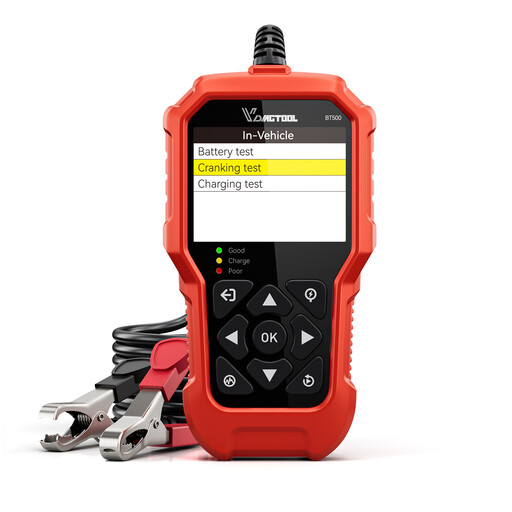
Why it suits this profile: Ideal for motorists who want to check the battery and charging system themselves before replacing any components.
It specifies support for 6 V, 12 V and 24 V and states that lithium and deep-cycle batteries are not supported.
Measures voltage, resistance, state of charge and starting and charging systems, among other things; suitable for different battery types within the specified range.
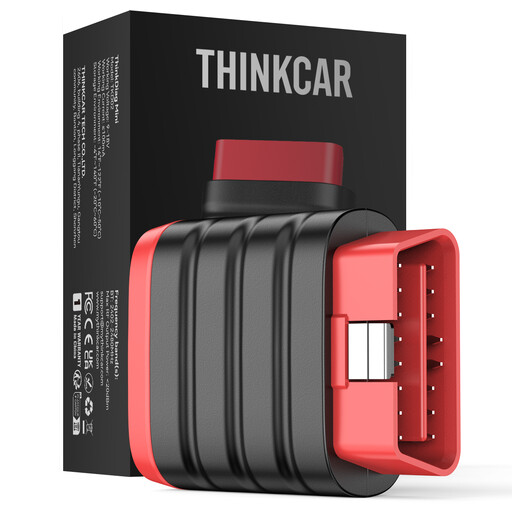
Why it suits this profile: Suitable for anyone who regularly wants to read vehicle data using a smartphone, without a fixed cable connection.
The product information clearly states that service resets and special functions are not included. So you should mainly expect diagnostic functions.
Bluetooth for iOS and Android, support for multiple protocols and a compact 60 × 48.5 × 22.5 mm body.
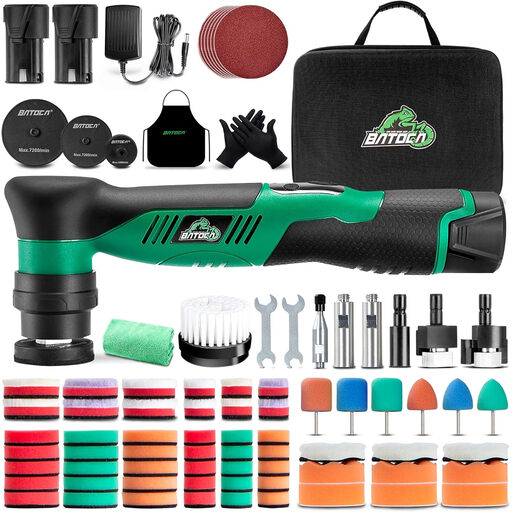
Why it suits this profile: A practical choice for car detailers and DIY enthusiasts who work on small surfaces and hard-to-reach areas.
The set uses interchangeable 25, 50 and 75 mm backing plates. This means it is not limited to large painted surfaces.
Three polishing functions, six speeds from 2,000 to 5,500 rpm and two 12V 2.0 Ah batteries according to the product description.
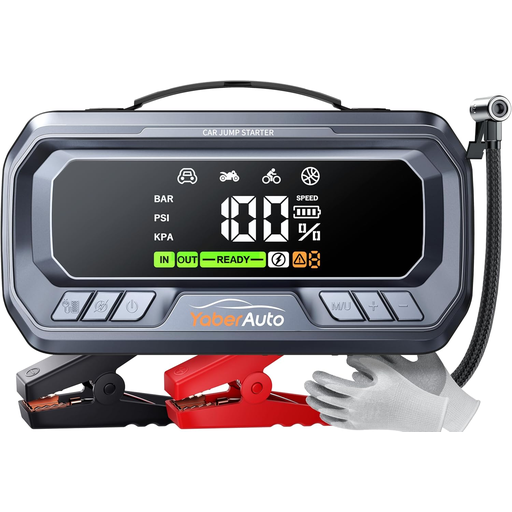
Why it suits this profile: For motorists, motorhome owners and motorcyclists who want to combine jump-starting and tyre inflation in one device.
The specifications state both engine compatibility and a separate pressure range of 160 PSI. Connect the clamps according to the specified polarity and do not store the device in a hot car for extended periods.
Jump-start function, 160 PSI compressor, USB-C PD output up to 65 W and an LCD screen according to the product information.
We have put together a complete, up-to-date list of products that fully meet these strict selection criteria and the applicable European safety regulations.
Start with accessories that suit the way you use your vehicle:
Pay attention to storage temperature, charge level and cables. Check for damage before use and store accessories somewhere dry and protected after use.
A car jump starter, digital tyre pressure gauge, compact car tyre inflator and torch make up a practical basic kit. Check the jump starter’s battery regularly, as a flat device will not help with a flat vehicle battery.
Under normal conditions, you can check the battery a few times a year. Check it more often if you make lots of short journeys, leave the vehicle unused for long periods or experience starting problems. A tester measures the condition at that moment; if in doubt, follow the vehicle manufacturer’s recommendations or have a garage carry out additional checks.
Ongoing costs mainly consist of electricity, replacement batteries and any consumable parts such as filters or polishing pads. So do not compare only the purchase price; also consider charging time, battery capacity, replaceability and the availability of accessories.
