
Vandaag of morgen in huis

Kwaliteit gegarandeerd

Welkomstaanbiedingen ontgrendelen: GRATIS bezorging | Tot 80% korting | Gratis 30 dagen JoyPlus-proefperiode
Download de app
A head covering seems simple to buy – until a cap feels too tight, a beanie slips down or a sun hat provides hardly any shade in practice. When choosing caps and hats, it is not just the colour or brand that matters. The fit, material and intended use determine whether your purchase remains comfortable for commuting, walking, sports or travel.
Pay attention to marketing terms, too. A product described as offering “sun protection” does not automatically provide the same coverage as a wide-brimmed sun hat. And “one size” does not mean that the headwear will fit every head comfortably. Below, we have set out the key points to consider, along with a selection of popular options.
Words such as “UV-blocking” or “sunblock” do not tell you much on their own. Check whether a specific UPF rating is stated, and which parts of the head, face and neck are covered. According to the product information, Beneunder claims UPF 50+ for certain models, while the TOP-EX cap lists UPF 40+. These are product specifications taken from the product descriptions; they are not a general guarantee for every situation.
A wide brim can also provide more shade than a standard baseball cap. For cycling or running, a lightweight sports cap may be more practical than a sun hat with neck coverage.
A unisex cap or beanie may be flexible, but head circumferences vary. Measure your head with a soft tape measure approximately 2 to 3 centimetres above your eyebrows and just above your ears. Compare this measurement with the size chart.
An adjustable cap with a buckle, strap or hook-and-loop fastening gives you more room for adjustment. A Flexfit model works differently: its elastic construction adapts within a stated size range. A closed-back men’s cap without an adjustment mechanism requires more precise sizing.
Cotton can feel comfortable, but it does not always dry quickly. Polyester and nylon are often practical for sports and travel, while linen can be pleasant in warm weather. A thicker acrylic beanie can provide warmth, but is less suitable for intense activity.
Check the care instructions, too. Some models are suitable only for hand washing or spot cleaning. This is particularly relevant if you use the cap regularly for walking, golfing or camping.
Look at the stated head circumference in centimetres. Examples from the selection include:
A beanie should cover your head and, where applicable, your ears without creating constant pressure. With a sports cap, the brim should not obstruct your vision and the fastening should remain secure while you move.
A baseball cap or visor cap mainly protects the eyes and forehead from direct light. A sun hat, bucket hat or outdoor hat with an all-round brim generally provides more shade around the face and neck.
The Beneunder AL500 lists a 16 cm brim. According to the product information, the Beneunder UL56924 has a 13.5 cm brim and an open top for air circulation. The PELLIOT Fisherman hat has an all-round brim and a drawcord, which can be useful in windy conditions.
For everyday use in the city, a classic beanie may be sufficient. For skiing or winter walks, winter hats with a deep fit and full ear coverage are the more logical choice. During sporting activities, ventilation openings, a sweatband and lightweight fabric are more important.
Claims about moisture management or odour control should be understood as the brand’s product information. PUMA, for example, lists a sweatband with moisture-wicking properties, while Under Armour describes a HeatGear sweatband. These are brand claims; your actual experience will also depend on exertion, temperature and fit.
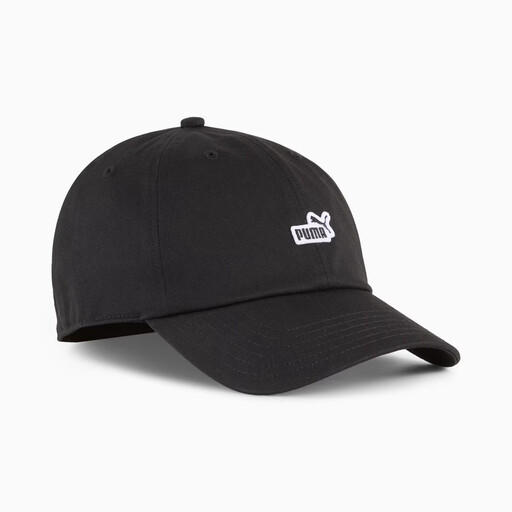
Why it suits this profile: A simple unisex model for everyday use, casual outfits and light sporting activities. The adjustable fastening makes choosing the right size straightforward.
The adjustable strap means you do not have to rely solely on a “one size” fit. The curved brim and embroidered ventilation eyelets are clearly stated product specifications.
Cotton outer material, six panels, embroidered eyelets and an adjustable fastening.
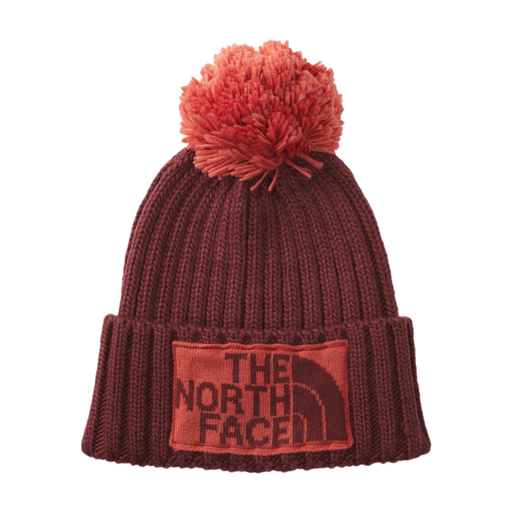
Why it suits this profile: Designed for cold conditions, winter sports and outdoor use where ear coverage and a deep fit are important.
The stated sizes provide more guidance than a general one-size promise. However, check that the deep fit suits your head shape.
100% recycled polyester according to the product information, a deep fit, and suitable for skiing, walking and everyday use.
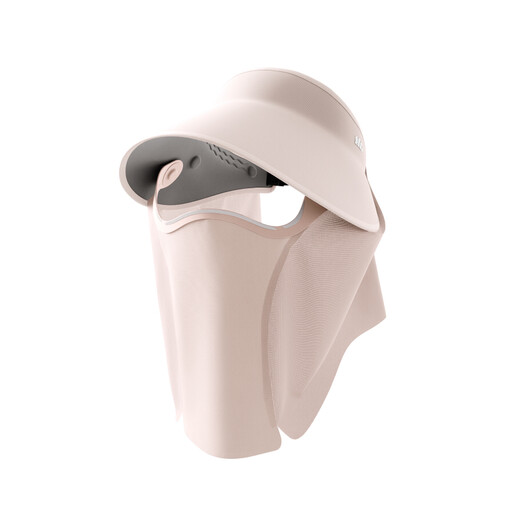
Why it suits this profile: Ideal for sunny walks, travel and outdoor activities where extra coverage for the face and neck is desirable.
The product information lists UPF 50+, a wide brim, an adjustable rear strap and an integrated face shield. According to Beneunder’s own information, this refers to the stated sun protection.
Lightweight design, magnetic quick-release fastening, adjustable fit, and coverage for the face and neck.
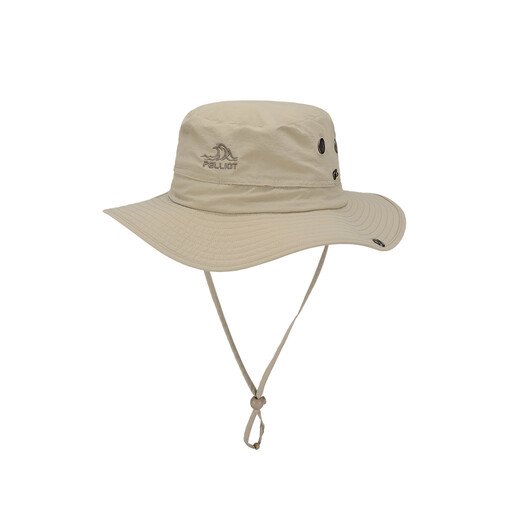
Why it suits this profile: The convertible shape and drawcord are practical for camping, travel and walks in changeable weather.
The wide all-round brim and drawcord address the limitations of an ordinary baseball cap. According to PELLIOT’s own information, the model offers UPF 50+ and a water-repellent outdoor design; check the latest product details before use.
2-in-1 design, adjustable cord, moisture-wicking sweatband and foldable construction.
We have put together a complete, up-to-date list of products that fully meet these strict selection criteria and the applicable European safety regulations.
That depends on the level of coverage you want. A sun cap or sports cap is lightweight and often allows more airflow. For extra shade around the face and neck, consider a sun hat, bucket hat or visor cap with a wide brim. Check the stated UPF rating, fit and care instructions.
Use a flexible tape measure around your head, just above the ears and approximately 2 to 3 centimetres above your eyebrows. Keep the tape comfortably close to your head without pulling it tight. Compare the measurement with the size chart for the specific model. If you are between two sizes, an adjustable cap may offer greater flexibility.
Its lifespan depends on how often it is worn, exposure to sun, sweat, friction and washing. Always follow the care label. Allow a cap to air-dry and avoid prolonged heat if this is not permitted. A beanie will generally retain its shape for longer if you do not wring it out when wet and leave it to dry flat. Before buying, also check whether the model requires hand washing, machine washing or spot cleaning only.
