
Vandaag of morgen in huis

Kwaliteit gegarandeerd

Welkomstaanbiedingen ontgrendelen: GRATIS bezorging | Tot 80% korting | Gratis 30 dagen JoyPlus-proefperiode
Download de app
Canned or jarred peas are a staple in many kitchen cupboards. They are convenient, have a long shelf life, and are quick to prepare. But not all peas are created equal. The shelves are packed with options that look identical at first glance but vary significantly in quality, taste, and price.
Before you place a can in your basket next time, it's wise to consider a few common pitfalls. Many consumers unwittingly pay a premium for water, sugar, or a brand name, while the actual vegetable is of lower quality.
To ensure you get value for your money, you can check a few specific details on the label. These objective characteristics help you see past the marketing and make an informed choice.
A high-quality product doesn't need a long list of additives. The best garden peas typically contain only three ingredients: peas, water, and possibly a small amount of salt. Be wary of terms like "natural flavours" or added sugars. While not harmful, they can indicate a product that needs extra flavour enhancement. Brands like Bonduelle peas and Hak peas often specify this clearly.
The name on the packaging tells you a lot about the contents and their intended use:
This is perhaps the most important specification for a price-conscious shopper. The drained weight indicates how many grams of peas are actually in the package, without the liquid. Compare the price per 100 grams of drained weight instead of the price per can. This will immediately show you which product offers the most vegetables for your money when buyingcanned vegetables.
Based on these objective criteria, we have selected a number of products that suit different needs and preferences.
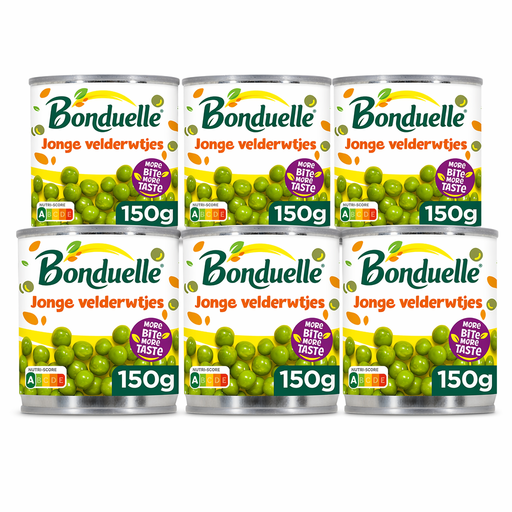
Why This Fits Their Persona: This multipack ensures you always have a quick, nutritious vegetable component on hand. The small cans are perfect for a meal without leftovers. Ideal for pasta, a rice dish, or as a simple side with potatoes and meat.
The ingredient list is short and clear. The convenient portion-sized packs help prevent food waste and make it easy to estimate the actual product weight.
According to Bonduelle, the peas are vacuum-steamed, which helps retain colour and nutrients. The product is high in fibre and ready to use.
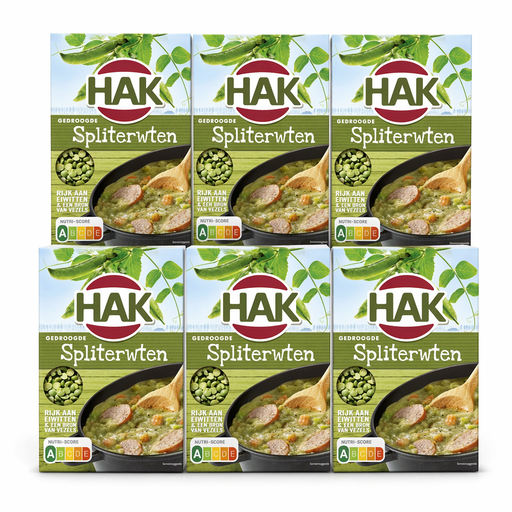
Why This Fits Their Persona: These dried split peas are the classic foundation for a hearty, homemade pea soup. The bulk pack is ideal for cooking a large pot for the whole family or for stocking up for the colder months.
This product contains only one ingredient: dried peas. No salt, no sugar, no additives. You have complete control over the flavour and nutritional value of your soup.
A pure and unprocessed product with a Nutri-Score A. The bulk packaging offers excellent value for money for those who enjoy batch cooking.
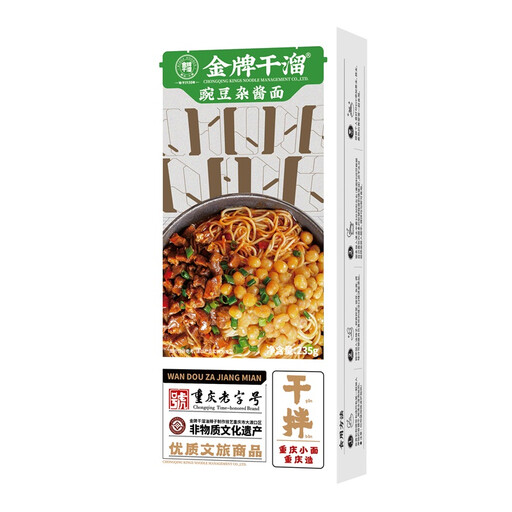
Why This Fits Their Persona: Don't feel like cooking, but crave a flavourful meal? This noodle box combines soft peas with a savoury minced pork sauce for an authentic Chongqing-style meal that's ready in minutes.
This isn't a simple can of vegetables, but a complete meal kit. It solves the 'what's for dinner' problem without you having to search for individual ingredients.
A complete meal kit with noodles, peas, sauce, and seasonings. Offers a unique taste experience that goes beyond standard canned vegetables.
We have compiled a complete, real-time list of products that fully satisfy these strict selection criteria and UK safety regulations.
Unopened and stored in a cool, dark place, canned peas can often last for several years. Always check the 'best before' date on the packaging. After opening, it's best to store the contents in a sealed, non-metallic container in the refrigerator. They will remain good for a few days.
Yes, although the terms are often used interchangeably, there is a slight difference. Garden peas are typically a bit larger and firmer in texture. Sweet peas, also known as young field peas, are usually smaller, softer, and have a sweeter taste. The choice depends on your personal preference and the dish you want to make.
It's a good idea to rinse canned peas before using them. This removes a significant amount of the added salt from the preserving liquid. Pour the contents of the can into a colander and briefly rinse the peas under cold, running water. You can then heat them or add them directly to your dish.
