You don’t need a pressure-cooking function just to heat canned beans. According to the Netherlands Nutrition Centre, pulses in cans are already cooked and only need reheating. Focus on the pan capacity and whether it has a sauté or reheat function. A pressure-cooking function is only relevant if you also want to use the appliance for other dishes. If you’re batch cooking, plan how you’ll store any leftovers too: the Netherlands Nutrition Centre advises eating refrigerated leftovers within two days.
Who is this relevant to?
If you heat up lots of canned beans at once
You want to heat beans with other ingredients and divide them into portions. In that case, useful pan capacity and a storage plan matter more than a pressure-cooking programme. The Netherlands Nutrition Centre says that pulses in cans only need reheating.
If you want to keep the beans whole
You’re looking for a way to heat already-cooked beans without using a pressure cycle. Check whether the model you’re considering has a sauté or reheat function, and how to operate it.
If you want one appliance for a range of dishes
You sometimes heat canned beans, but may also want to cook ingredients that need cooking through. If so, check which functions are available with and without pressure on the exact model.
What should you look for?
| What to consider |
What should you check? |
Who is this important to? |
| Reheating without pressure |
Check whether the exact model has a sauté or reheat function, and how to use it. |
I want to heat cooked beans with sauce or herbs in one pan without using a pressure cycle. Around 33% of consumers making this choice mainly prioritise reheating without pressure. |
| Room for a batch |
Compare the stated capacity with the amount you plan to cook, and follow the model’s filling instructions. |
If I’m cooking beans with other ingredients in batches, I want enough room for the whole recipe. Around 27% of consumers mainly focus on batch capacity. |
| Storing portions |
Plan for sealable containers and enough fridge or freezer space; keeping food warm is not a storage plan. |
I want to know in advance where I’ll store the cooked portions. For around 20% of consumers, storing portions is the main priority. |
| More cooking tasks |
Check which functions are available with and without pressure on the model you’re considering. |
If I want to use the same appliance for other dishes too, those extra cooking options matter. Around 20% of consumers mainly prioritise versatility. |
Common pitfalls
-
Assuming you need a pressure-cooking programme for canned beans
Canned beans are already cooked and, according to the Netherlands Nutrition Centre, only need reheating. So you don’t need a pressure-cooking function for this task.
First, look for a suitable sauté or reheat function. Consider a pressure-cooking function if you also want to use the appliance for other ingredients.
-
Confusing the stated capacity with the permitted filling level
A capacity given in litres doesn’t automatically tell you how much of each recipe you can cook in the pan, particularly when using it under pressure.
Check the filling instructions for the exact model and take the ingredients in your recipe into account.
-
Cooking a full pan without a plan for the portions
A batch is only practical if you can store the portions you’ve cooked. The Netherlands Nutrition Centre advises eating refrigerated leftovers within two days; freezing is another way to store them.
Get sealable containers ready in advance and make sure you have enough room in your fridge or freezer.
-
Choosing a replacement inner pot based only on the brand and capacity
Instant Pot says that a specific 5.7 L replacement inner pot is suitable for certain models, but not for the Pro series.
Check the full model number against the inner pot’s compatibility information before choosing a part.
Brands to consider
Instant Pot
Instant Pot describes the Duo 5.7 L as a multicooker with functions including pressure cooking, sautéing and keeping food warm. This combination could suit you if you want to cook other dishes as well as heat canned beans.
- The sauté function listed provides a way to cook without pressure, for tasks such as reheating.
- Check the parts for each series: Instant Pot says that a specific replacement Duo inner pot is not suitable for the Pro series.
Tefal
For the Turbo Cuisine CY7548/CY754830, Tefal lists functions including pressure cooking and stir-frying. A model operated with a dial may appeal if that’s the type of control you prefer.
- The listed functions offer options for cooking both with and without pressure.
- Check the pan surface and parts for the exact model. Speed and energy-saving claims on a product page are claims made by the manufacturer, not measurements taken when cooking canned beans.
Philips
Philips lists a stated capacity of 6 L for the HD2616/70, along with pressure-cooking, sautéing and reheating functions. This could be useful if you want to be able to select different functions separately.
- The manufacturer lists a dedicated reheat function and automatic pressure release as product features.
- A function description is not an independent comparison of safety or bean texture. Check the manual for the specific model.
Joybuy products for batch cooking
This selection features electric pressure cookers and multicookers with pressure functions, for anyone who wants to cook other dishes as well as heat canned beans. You don’t need a pressure-cooking function just to heat canned beans.
 No image available
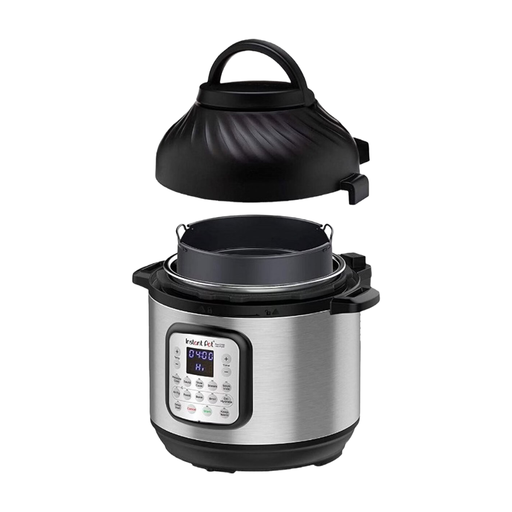
Instant Pot Duo Crisp 7.6L 11-in-1 pressure cooker and air fryer, Two Lids
This could suit you if you want a large stated capacity and several cooking methods. The product name lists 7.6L, 11-in-1 and two lids; the product information includes pressure cooking, reheating and sautéing. When pressure cooking, follow the model-specific instructions for releasing the pressure.
View at Joybuy
 No image available
Midea electric pressure cooker 6L, 1000W
This could suit you if you want a stated capacity of 6L and automatic keep-warm. The product name lists 1000W and a stainless steel inner pot; the product information includes several cooking functions. For beans or grains cooked under pressure, the product warning says not to fill beyond the 1/2 mark.
View at Joybuy
 No image available
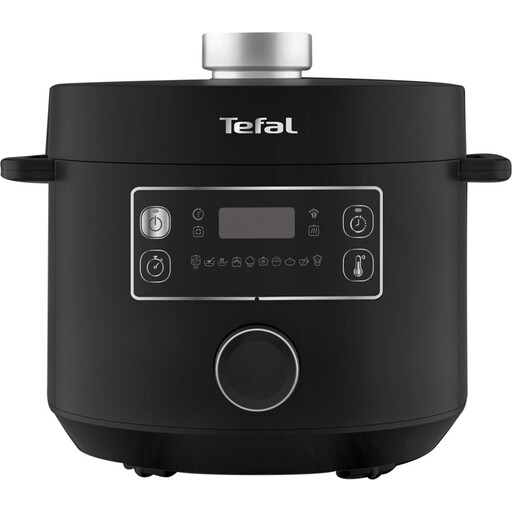
Tefal Turbo Cuisine CY7548, 5 L
This could suit you if you’re looking for a multicooker with a stated capacity of 5 L for portions and a variety of dishes. The product information lists keep-warm and automatic programmes, including pressure cooking. Don’t force the lid open while the pan is under pressure; follow the instructions for releasing the pressure.
View at Joybuy
 No image available
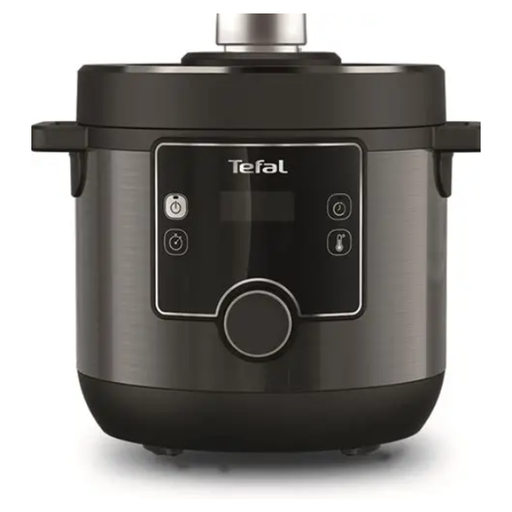
Tefal CY754130 Turbo Cuisine 6L, 15-in-1
This could suit you if you want a stated capacity of 6L and a choice of cooking methods. The product information lists pressure cooking and sautéing, as well as digital touch controls. When using it under pressure, wait until the pressure has been released before opening the lid.
View at Joybuy
 No image available
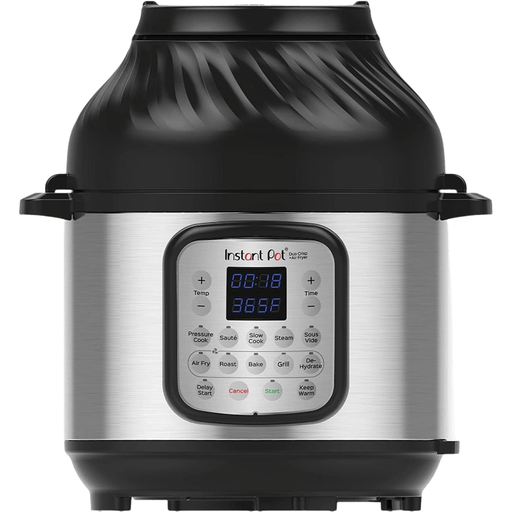
Instant Pot Duo Crisp 5.7L 11-in-1 pressure cooker and air fryer, Two Lids
This could suit you if you want a stated capacity of 5.7L and would also like to use other cooking methods. The product name lists 11-in-1 and two lids; the product information includes reheating, sautéing and pressure cooking. Only open the pressure-cooking lid once the pressure has been fully released.
View at Joybuy
Frequently asked questions
Do you need to pressure cook canned beans?
No, not if you just want to heat them. According to the Netherlands Nutrition Centre, pulses in cans are already cooked and only need reheating; check the label on your beans too.
How should you store portions of cooked canned beans?
Keep leftovers refrigerated and, according to the Netherlands Nutrition Centre, eat them within two days. You can also freeze them; the Netherlands Nutrition Centre says leftovers will keep in the freezer for three months.
Will any 5.7 L replacement inner pot fit an Instant Pot?
No. Instant Pot says that a specific replacement inner pot is suitable for the Duo, Duo Plus and Duo Crisp, but not for the Pro series. Check the full model number against the compatibility information.
Who should you contact about a faulty appliance bought in the Netherlands?
Contact the seller to find a solution. The Dutch government explains that there is no fixed statutory two-year guarantee period in the Netherlands; what you can expect from a product depends on factors including the product itself and how it is used.


