
Anyone clearing up sand by the front door
Before handing over the keys, you simply want to remove ordinary dry dirt from the floor and around the threshold. Focus on how well the vacuum picks up dirt from hard floors and narrow crevices.


For ordinary dry household dirt, choose a canister vacuum cleaner based on how well it picks up dirt from your hard floors and crevices, and whether its nozzle is suitable for your floor. The Dutch Consumers' Association says that bagged vacuum cleaners perform better on hard floors on average, but that doesn't guarantee the performance of every individual model. A standard vacuum cleaner isn't designed for building dust, large pieces of rubble or liquids.
Before handing over the keys, you simply want to remove ordinary dry dirt from the floor and around the threshold. Focus on how well the vacuum picks up dirt from hard floors and narrow crevices.
If you have parquet or laminate flooring, you'll want to remove sand without running an unsuitable or dirty nozzle over the floor.
When disposing of vacuumed-up dirt, you want to come into as little contact with dust as possible. Check the dust emissions of the entire appliance.
Start by checking how well the vacuum picks up dirt from your hard floor and from the gap by the threshold or skirting board. Then choose between a dust bag and a container, depending on how you prefer to dispose of the dirt.
| What to consider | What should you check? | Who will value this most? |
|---|---|---|
| Pick-up on floors and in crevices | Compare test results for hard floors and crevices; check whether a crevice tool is included. | I want to pick up dry dirt by the threshold and along the skirting board, leaving as little behind as possible; around 36% of consumers rank pick-up on floors and in crevices as their top buying priority. |
| Delicate hard flooring | Check whether the nozzle is suitable for parquet or laminate; compare the pick-up performance and ease of use of the exact model. | If I have parquet or laminate flooring, I don't want to use an unsuitable or dirty nozzle on it; around 29% of consumers rank floor protection as their top priority. |
| Dust disposal and filters | Check the collection method and which bags or filters you'll need; where possible, look for measured dust emissions for the entire appliance. | If I'd rather not touch dust when disposing of it, I'll consider the collection method and dust emissions of the whole appliance; around 21% of consumers prioritise low-dust disposal. |
| Reach and consumables | Compare the operating radius and weight; check which attachments are included and which compatible bags or filters you'll need. | For a quick clean, I want to reach the doorway from the socket and know which consumables I'll need to replace; around 14% of consumers prioritise reach and ongoing consumables. |
A standard vacuum cleaner is designed for everyday household dirt, not building dust, large pieces of rubble or liquids.
Check what is lying by the door. For building dust or coarse debris, choose an appliance that the instruction manual says is suitable for that specific material.
A soft brush is designed for delicate hard floors, but nozzles and models vary in pick-up performance and ease of use.
Compare test results for the exact model on hard floors and in crevices. Keep the nozzle clean.
A container needs emptying and filters need maintaining. A HEPA filter alone doesn't guarantee low dust emissions from the entire appliance.
Check the maintenance instructions and which filters you'll need; where possible, look for a test of the complete model's dust emissions.
The Guard S1 Parquet Flex is a bagged canister vacuum cleaner with a Parquet Twister and flexible crevice tool, designed for hard floors and awkward spots around the entrance.
The RO7C36 is a bagless canister vacuum cleaner with a container and an included parquet brush, for anyone who doesn't want to use dust bags.
The PowerPro Compact FC9332/09 is a compact bagless canister vacuum cleaner with a TriActive nozzle, which Philips describes as suitable for hard and soft floors.
The Serie 2 BGBS2RD1 is a bagged canister vacuum cleaner for anyone looking for a compact appliance with adjustable suction power.
These bagged models are designed for ordinary dry household dirt, hard floors and awkward spots by a threshold or skirting board.
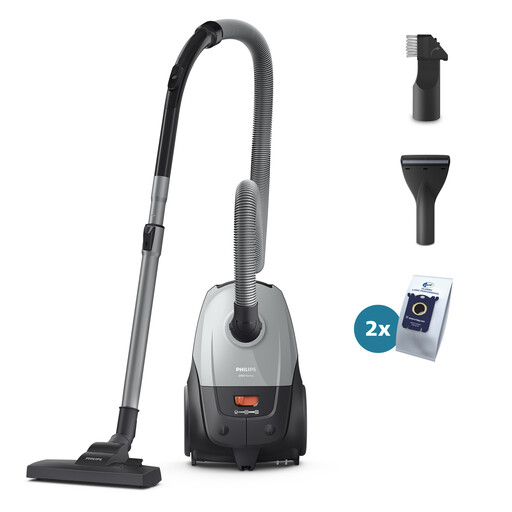 No image available
Suitable if you're looking for a bagged vacuum cleaner for hard floors and awkward spots.
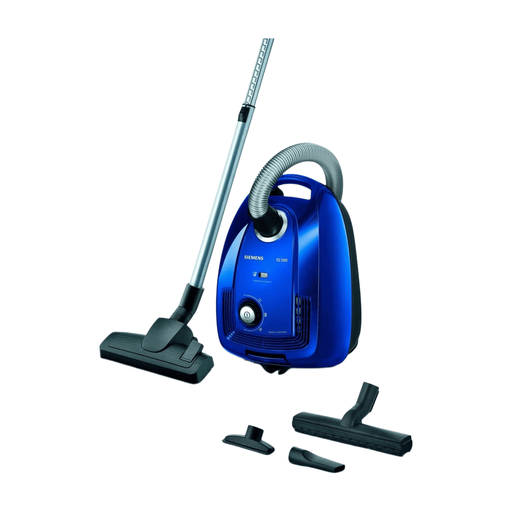 No image available
A bagged model with a crevice tool for cleaning along thresholds and skirting boards.
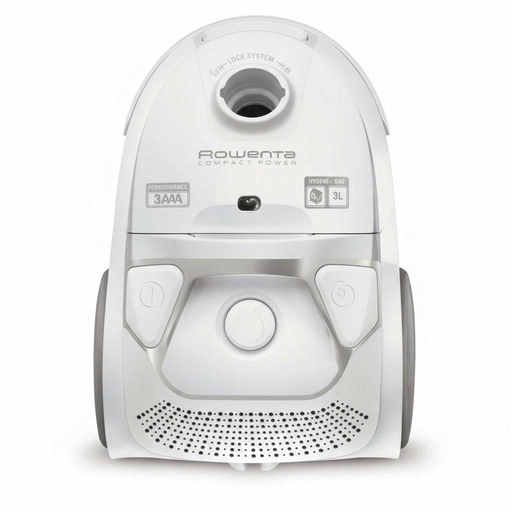 No image available
Bagged dust collection and a stated crevice tool make this a good fit for dry dirt by a threshold.
 No image available
The Parquet Twister and flexible crevice nozzle described are suited to hard floors and awkward spots.
Only if it's ordinary dry household dirt that the appliance's instruction manual says it can handle. The Dutch Consumers' Association advises against using a standard vacuum cleaner for building dust, bulky waste, rubble or liquids. For these materials, choose an appliance that the instructions say is suitable.
Not necessarily. A parquet brush is designed for delicate hard floors, but the Dutch Consumers' Association points out that pick-up performance and ease of use vary between nozzles and models. So compare the exact model and keep the nozzle clean.
Replace a full bag or empty the container, and follow the maintenance instructions for the exact model. The European Commission says that an overfilled dust container can reduce a vacuum cleaner's performance. Philips warns that the (H)EPA filter in PowerPro vacuum cleaners shouldn't be cleaned with water; for other models, follow their own instruction manuals.
As well as any manufacturer's warranty, you have a statutory guarantee: with normal use, the product must meet the standard you could reasonably expect. According to ACM ConsuWijzer, the seller is responsible for providing an appropriate solution free of charge if the product develops a fault too soon. There is no fixed statutory guarantee period for every vacuum cleaner.
No. The European Commission says that the former EU energy-labelling scheme for vacuum cleaners is no longer in force. Ecodesign rules for products including standard mains-powered vacuum cleaners are a separate scheme; the absence of a vacuum cleaner energy label isn't in itself a reason to reject a model.