
Vandaag of morgen in huis

Kwaliteit gegarandeerd

Welkomstaanbiedingen ontgrendelen: GRATIS bezorging | Tot 80% korting | Gratis 30 dagen JoyPlus-proefperiode
Download de app
Candy sticks come in many varieties: from soft fruit sticks and cherry sticks to sour candy sticks, liquorice sticks and sweet sticks with a filled centre. This makes comparing them online not always straightforward. A striking packet says little about the taste, texture, allergens or the actual amount you receive.
When buying sweets online, these are the main pitfalls to watch out for:
Compare the net weight per packet. Bags of 110 g are practical for a small group or a treat. Sizes from 180 to 220 g are better suited for sharing. A multipack can be handy when you want to store several portions separately.
Also pay attention to how the sweets are packaged. Individually wrapped sweets are practical for on the go, in a treat box, or when several people are eating from the same bag. Loose candy sticks are often more suitable for a sweet jar.
Product names usually give you a clue:
A fruit flavour doesn’t automatically mean the product suits everyone’s preference. If you’re after a soft texture, look for terms like “soft”, “gummy” or “chewy”. For a pronounced sour effect, the product description and ingredients list are more important than just the product photo.
Always check the ingredients list and allergen information on the packaging for each product. According to the product information, some candy sticks contain wheat or gluten, while others list none of the 14 major EU allergens. With gelatine, beeswax or colourings, specific preferences may also come into play.
Examples from the range:
Claims such as “vegan”, “no artificial colours” or “with fruit juice” are product features you can verify using the product information. If you have allergies, always check the label on the packaging you receive, as recipes and packaging information can change.

Why this fits the profile: The 110 g size is manageable for a first purchase, a small treat or a modest stock for the sweet jar.
The clear weight and simple ingredients list make it easier to compare on quantity and composition.
Cherry flavour, 110 g and, according to the product information, none of the 14 major EU allergens.
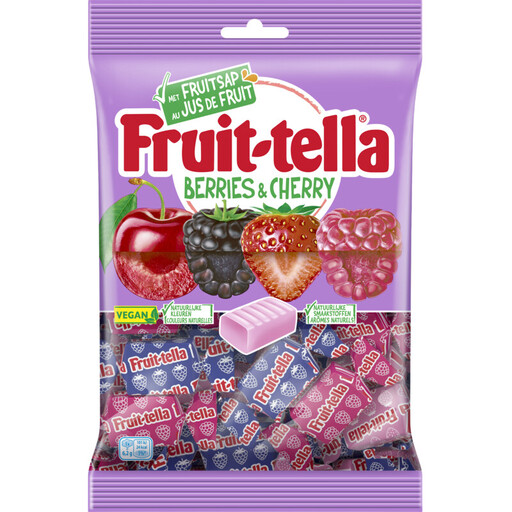
Why this fits the profile: The combination of berry and cherry flavours offers variety, while the individual wrappers are practical for sharing or storing.
The 200 g weight and fruit variety are clearly described, so you’re not buying based on a flashy packet alone.
Four fruit flavours, 200 g, individually wrapped and, according to the product description, vegan.
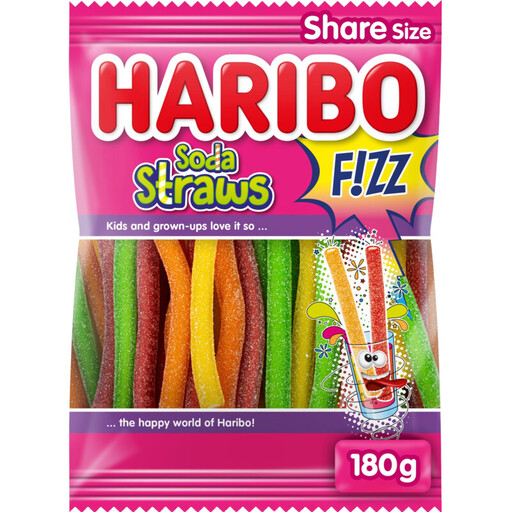
Why this fits the profile: The sour coating and multiple soda flavours suit fans of pronounced sour candy sticks for parties or the sweet jar.
The product information mentions the sour coating, flavours, the 180 g weight and the allergens present.
Four stated flavour directions, 180 g and, according to the product information, no artificial colours.
We’ve put together a full, up-to-date list of products that fully meet these strict selection criteria and comply with current European safety regulations.
For sweets to share, packets of around 180 to 220 g are practical. Individually wrapped toffees, such as Fruitella Berries and Cherry Toffees, limit direct contact with the rest of the contents. For a party, you could also choose a multipack, such as the Haitai Long Sour Jelly Candy with 20 packets of 24 g.
No. Fruit sticks are usually elongated sweets with a fruit flavouring or fruit juice. The exact composition varies by brand. So check the percentage of fruit juice, the flavourings used, colourings and nutritional information. “With fruit juice” doesn’t mean the product is made from fresh fruit.
Store candy sticks according to the instructions on the packaging: generally in a cool, dry place away from direct sunlight, and away from heat and moisture. Seal an opened bag tightly. Check the best-before information before use and don’t use any product where the packaging is damaged.
