
Vandaag of morgen in huis

Kwaliteit gegarandeerd

Welkomstaanbiedingen ontgrendelen: GRATIS bezorging | Tot 80% korting | Gratis 30 dagen JoyPlus-proefperiode
Download de app
Online, you’ll find a wide range of candy and jelly snacks: from fruit gummies and sour candy to vegan sweets, konjac jelly and drinkable jelly. The differences go beyond flavour and packaging. Ingredients, allergens, serving size and nutritional values all determine whether a product suits your household, party or snack break.
For example, a colourful bag featuring fruit on the packaging does not automatically mean that it contains a high proportion of fruit. Terms such as “light”, “natural” or “with fruit juice” also deserve a closer look at the label. Use these practical checkpoints to avoid a disappointing purchase.
Some gummies contain only a small amount of concentrated fruit juice. For example, Cokoc Mega Trophy Gummies Mango 150g lists 3.5% concentrated mango juice. This provides a fruity flavour, but the product consists primarily of glucose syrup and sugar.
The Cokoc Triple-Layer Juicy Burst Gummies 60g lists 10% concentrated fruit juice. This is a measurable difference, but it still says nothing about the overall nutritional value or whether you will enjoy the flavour. Always check both the ingredients list and the nutrition table.
Gummies are often made with gelatine. Its source may be beef or pork. For example, Cokoc Mega Trophy Gummies contain gelatine derived from bovine skin, while Nerds Gummy Clusters Fruits are listed in the product information as containing pork gelatine.
If you want to buy vegan candy, check that the packaging explicitly states this. Fruitella Vegan Dummies are described as vegan and contain, among other ingredients, fruit juice, plant-based thickeners and natural flavourings. For halal candy, a clear halal designation or certification is important. If in doubt, always rely on the current product packaging and ingredients list.
A 400-gram bag may seem like good value, but it is most practical when you are looking for candy to share. For school treats, the workplace or a party, individually wrapped portions can sometimes be more convenient. The Look-O-Look Top Mix contains ten small individual packs within a 215-gram bag.
A larger assortment is not necessarily cheaper per serving either. Compare the price per 100 grams and check the best-before date. Opened bags of candy can also become sticky more quickly if they are not sealed properly.
Check the following before buying:
Compare products on the same basis. In the supplied product data, conventional gummies generally contain around 336 to 382 kcal per 100 grams. Sugar content ranges from approximately 45.9 to 70 grams per 100 grams.
Konjac jelly has a different composition. Jelly B Konjac Jelly Watermelon 150ml lists 1.6 kcal and 0 grams of sugar per 100 millilitres. The lychee and mango variants list 3 kcal and 0 grams of sugar per 100 millilitres. This makes them an option for anyone looking for a small, liquid jelly snack with a low stated energy content, without making broader health claims.
Gummies can be soft, sour, chewy or layered. A product name does not always indicate how large the sweets are. Check the net weight and whether the product is portion-packed.
Packaging is especially relevant for drinkable jelly. Jelly B’s 150ml pouches are compact and convenient for taking on the go. The Yan Jin Pu Zi Sippable Jelly Snack contains three flavours, nata de coco and konjac powder in a 520-gram pack. For young children, check the instructions for use and any warnings on the label. Jelly products with a firm texture are not suitable for every age group.
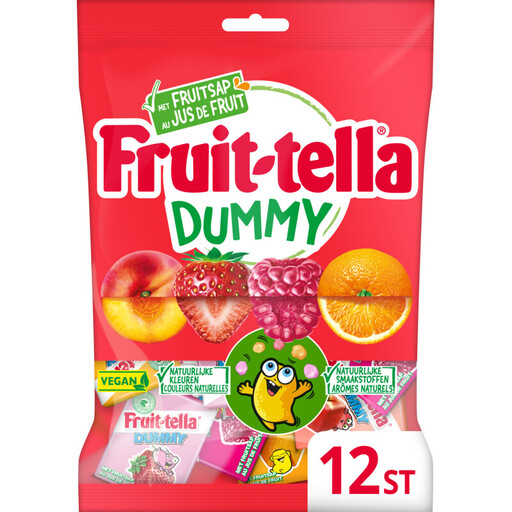
Why it’s a good fit: A practical choice for anyone looking for vegan candy without animal-derived gelatine and with a variety of fruit flavours.
The product information explicitly states that it is “vegan”. When it arrives, however, check the current allergen declaration on the packaging.
Four fruit flavours, individually wrapped and ideal for sharing.
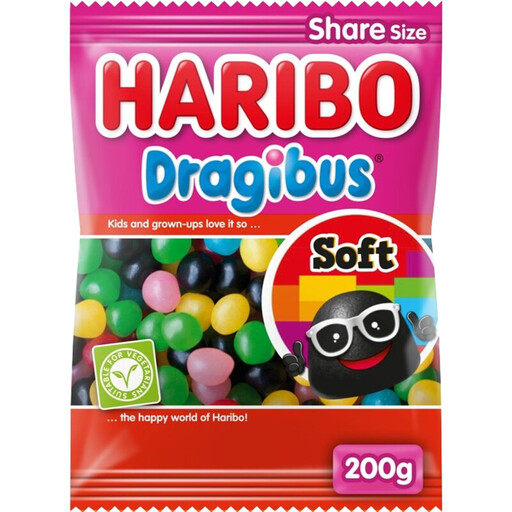
Why it’s a good fit: The 200-gram pack and selection of fruit flavours are practical for a film night or entertaining guests.
The product information lists six fruit flavours and no artificial colourings. The label also indicates the possible presence of wheat.
Soft, round gummies with 92 grams of carbohydrates and 56 grams of sugars per 100 grams, according to the product data.
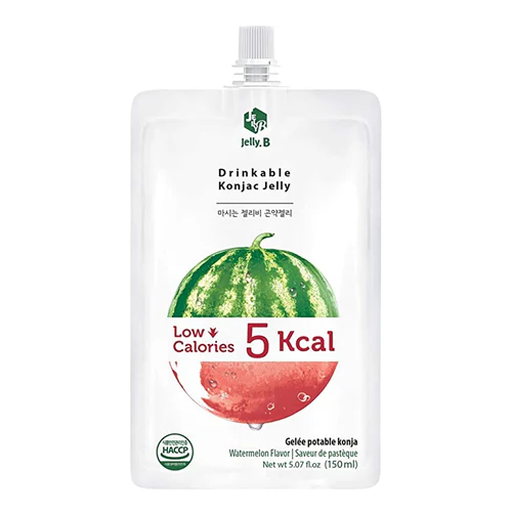
Why it’s a good fit: A small Korean konjac jelly in a convenient pouch for on the go, at the office or as an alternative to solid gummies.
The nutrition information lists 1.6 kcal and 0 grams of sugar per 100 ml. That is not a reason to consume the product without limits; follow the serving guidance and packaging instructions.
150 ml, no declared allergens and a watermelon flavour.
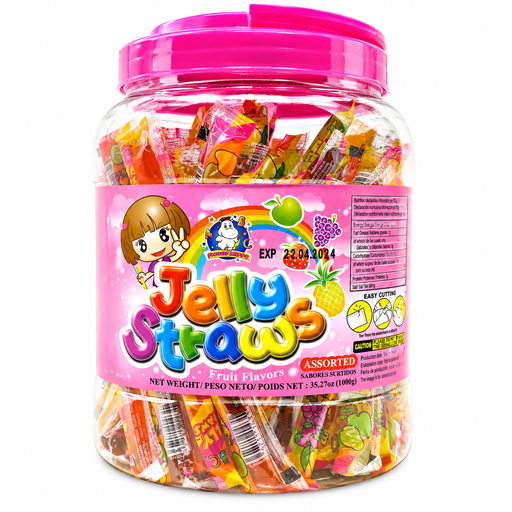
Why it’s a good fit: Individually wrapped jelly sticks are convenient for a candy assortment, party treats and larger groups.
The portions are individually wrapped, so you do not have to put out a large opened bag each time.
A mix of fruit flavours, 1 kg net weight and, according to the product information, none of the 14 major EU allergens.
Anyone who enjoys trying something new can look beyond traditional gummies. Turkish candy such as Bebeto Cola Bottles offers a cola flavour, while Bebeto Sour Blast Happy Raspberry combines a sour raspberry flavour with vegetarian and vegan labelling. Do note that the latter contains wheat in its ingredients list.
For fans of Korean candy, the Jelly B variants in lychee, mango, peach and watermelon are convenient drinkable jelly options. Jele Light-Orange 6x125g combines an orange flavour with 32 kcal per 100 grams according to the product data, but it does contain 7.7 grams of sugar per 100 grams. “Light” therefore does not automatically mean sugar-free.
Use this quick checklist:
Browse a current selection of candy, gummies and jelly snacks, and compare flavours, packaging and product information in one place.
Gummies are generally soft, chewy sweets made with gelatine, pectin or other gelling agents. Jelly candy can be softer or smoother and is sometimes sold in sticks, cups or pouches. The exact texture depends on the gelling agents used and the water content.
Some variants list 0 grams of sugar per 100 millilitres, including several Jelly B products. However, they may contain sweeteners such as erythritol, sucralose or acesulfame-K. Always check the full ingredients list and nutrition table.
For a family or party, packs of 200 to 400 grams are practical, such as Haribo Dragibus Soft or Haribo Peaches. For individual treats, Look-O-Look Top Mix with ten portions and the 1 kg ABC Jelly Fruit Jelly Sticks are easier to organise. The right choice depends on the number of people and how long you want to store the candy.
