You don’t automatically need maximum macro magnification to photograph complete candlesticks. Start by considering the framing you want, your camera’s lens mount, and the space available for your camera and lighting. Magnification matters more when photographing individual engravings or textures; with shiny glass or metal, light placement is also key. For example, Canon specifies 0.5× for the RF35mm and 1.4× for the RF100mm, while a macro lens won’t eliminate reflections on its own.
Who is this buying guide for?
Photographing complete candlesticks for a portfolio
You want to show the shape and finish of several candlesticks consistently. So, start by considering your preferred framing, the space available and how to set up your camera in a repeatable way. Canon Netherlands and Adobe explain why consistent composition matters in product photography.
Photographing engravings and textures
You want to show small, handmade details individually and at a larger size. Compare the magnification and focusing options of a lens that fits your camera; Canon Europe and Nikon Netherlands explain the relevant macro and focusing considerations.
Photographing glass or metal
When photographing shiny candlesticks, you’ll want enough room to position light modifiers and control reflections. A macro lens alone won’t solve reflections; Sigma Corporation and broncolor explain why working distance and light placement matter.
What should you consider when choosing?
Wider shots and close-ups
Suitable if: you’re using a compatible Canon RF camera and mainly want to photograph the complete candlestick or a wider portfolio scene. Canon specifies a maximum magnification of 0.5× for the RF35mm F1.8 MACRO IS STM.
Trade-off: this magnification is lower than that of the 1:1 and 1.4× models mentioned here, which may matter when photographing tiny details.
Details with a 100–105mm macro lens
Suitable if: you want to show small details individually and have room to position your camera and lighting. Canon specifies 1.4× magnification for the RF100mm; Sigma specifies 1:1 for the 105mm DG DN.
Trade-off: check the exact mount. Sigma specifies a working distance of 141 mm at 1:1 for the compatible 105mm version, while a longer lens may require more space behind the camera for a full shot.
Very small details
Suitable if: you need to show a very small engraving on its own at a large size. Laowa specifies 2:1 magnification for the 90mm f/2.8 2x Ultra Macro APO.
Trade-off: extra magnification is no substitute for precise focusing or controlled lighting; also check which version is compatible with your camera.
| What to consider |
What should you check? |
Who is this important for? |
| Framing the complete candlestick |
Check the camera’s lens mount, dimensions, desired framing and space behind the camera; try using a fixed tripod position. |
When I’m creating a series of portfolio photos, I want to keep the whole candlestick consistently in frame. Around 31% of consumers prioritise a suitable, repeatable overview. |
| Magnifying engravings and textures |
Compare the smallest detail you want to show with the maximum magnification of the exact lens version; also consider your focusing method. |
When I want to show an engraving on its own, the detail needs to appear large enough in the frame and be in precise focus. Around 31% of consumers prioritise magnifying details. |
| Working distance and reflections |
Measure the space in front of and behind the camera, and plan where to place light modifiers, reflectors and flags. |
When photographing glass or metal, I want enough room to direct the lighting and control reflections. Around 23% of consumers prioritise reflection control and working space. |
| The complete shooting setup |
First check the lens mount and test whether your camera, lens, tripod and lighting work together for the framing you want. |
When putting together a portfolio setup, I want to know whether my existing camera and workflow will work before choosing a lens. Around 15% of consumers prioritise the overall setup. |
Common mistakes
-
Assuming ‘macro’ always means the same magnification
Maximum magnification varies from model to model. For example, Canon specifies a maximum of 0.5× for the RF35mm F1.8 MACRO IS STM and 1.4× for the RF100mm F2.8L Macro IS USM.
Compare the maximum magnification of the exact lens version with the smallest detail you want to photograph.
-
Confusing focusing distance with the clear space in front of the lens
The space between the front of the lens and the subject matters when planning your lighting setup. For the 105mm F2.8 DG DN MACRO | Art, Sigma specifies a working distance of 141 mm at 1:1.
Check the working distance at the magnification you want to use and make sure there’s enough room for your lighting.
-
Expecting a macro lens to solve reflections and shallow depth of field
With shiny materials, the positioning of light modifiers, reflectors and flags affects how the surface looks. Macro photography also calls for careful focusing; Nikon Netherlands explains focus stacking as combining shots taken at different focus points.
Start by taking an overview shot and a close-up of your own candlestick, then assess the lighting and sharpness in each image.
A stable setup, adjusted lighting and any image editing may require extra time and equipment.
-
Assuming you have a consumer’s right to change your mind when placing a business order
According to Business.gov.nl, business customers are not automatically entitled to the statutory consumer right to change their mind.
Before placing a business order, check which returns and warranty terms apply to your purchase.
Brands and models to consider
The options mentioned apply to specific models and mounts; they are not a quality ranking, and mentioning a brand says nothing about availability.
Canon
For compatible RF cameras, the examples mentioned range from close-ups with the RF35mm F1.8 MACRO IS STM to higher magnification with the RF100mm F2.8L Macro IS USM.
- Canon specifies a maximum of 0.5× for the RF35mm and 1.4× for the RF100mm.
- Check that the framing and magnification you want are suitable for your subject and RF camera.
Nikon
The NIKKOR Z MC 105mm f/2.8 VR S is a macro lens for Nikon Z cameras.
- Nikon describes this model as suitable for life-size close-ups.
- A compatible lens won’t automatically remove reflections from shiny surfaces; plan your lighting separately.
Sony
The FE 90mm F2.8 Macro G OSS, model SEL90M28G, is designed for Sony E-mount cameras.
- Sony specifies 1:1 magnification and lens stabilisation for this model.
- The manufacturer’s description isn’t an independent performance test; precise focusing remains important for still subjects.
Sigma
The 105mm F2.8 DG DN MACRO | Art is available in separate versions for Sony E-mount and L-Mount.
- Sigma specifies 1:1 magnification and a working distance of 141 mm at that magnification.
- The mount versions are not interchangeable; check which one is compatible with your camera.
Laowa
The 90mm f/2.8 2x Ultra Macro APO is a specialist option for photographing very small details.
- Laowa specifies 2:1 magnification for this model.
- Higher magnification won’t automatically solve reflections or limited depth of field; check the version for your camera mount.
Joybuy product selection
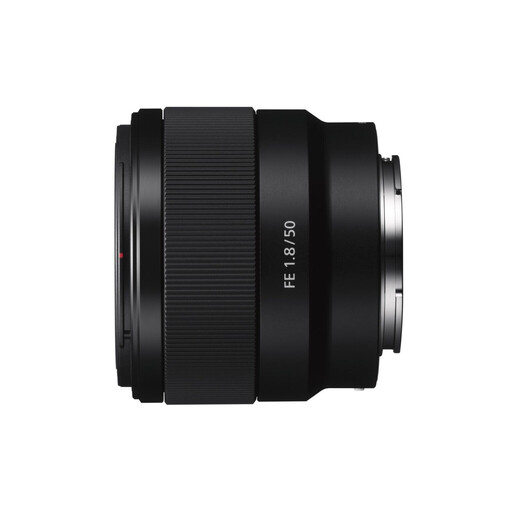
This Joybuy selection features a Sony E-mount lens whose product information lists product photography and close-ups among its uses. Check that the mount and stated magnification suit your candlestick and the level of detail you want to capture.
 No image available
Sony E 50mm f/1.8 OSS Black
The product information lists product photography and close-ups among its uses; check that the lens is compatible with your camera mount and suits the framing you want.
The stated maximum magnification is 0.16×. This may be limiting for small engravings or textures compared with the macro models discussed in this guide.
View at Joybuy
Frequently asked questions
Do you need 1:1 magnification for every portfolio photo of a candlestick?
No, not if you mainly want to show the complete candlestick. Choose magnification based on your preferred framing and camera mount: for example, Canon specifies 0.5× for the RF35mm and 1.4× for the RF100mm.
How can you get more of an engraving or raised pattern in focus?
Place the candlestick on a stable surface and focus carefully. If you can’t get enough depth in focus in a single shot, you can combine several images taken at different focus points; check separately which focus step options your camera supports.
Will a macro lens remove reflections from glass or metal?
No, a macro lens won’t remove reflections on its own. Leave room for your lighting and adjust the position of light modifiers, reflectors or flags to suit the candlestick and background.
Do you always have 14 days to change your mind when buying online in the Netherlands?
Not in every case. According to the Dutch government, in many cases consumers have 14 days to change their mind when buying at a distance from a business, although there are exceptions. Business.gov.nl states that business customers are not automatically entitled to a statutory consumer right to change their mind.
What costs and terms should you check before buying?
Check the price of the version with the right mount and see which camera, tripod and lighting equipment you already have. Also read the seller’s returns and warranty terms, and bear in mind the difference between any manufacturer’s warranty and rights that depend on whether you’re buying as a private individual or a business.


