
People who eat little bread
If you don’t eat bread every day or are buying for just a few people, a half loaf means you bring less home at once. Freezing portions is still important if you don’t expect to finish the bread quickly.


If you want to take regular sandwiches to campus and are buying for just a few people, a half wholemeal loaf is a good choice if wholemeal is what you’re looking for. Choose half a loaf of white toastie bread if you mainly make toasties, or crispbread if you’d prefer a crunchy base; neither is the same as half a wholemeal loaf. Freeze bread in lunch-sized portions if you don’t eat it regularly.
If you don’t eat bread every day or are buying for just a few people, a half loaf means you bring less home at once. Freezing portions is still important if you don’t expect to finish the bread quickly.
If you want your sandwich to remain wholemeal even after toasting, look for the word ‘wholemeal’. According to the Voedingscentrum, this label on bread means it is made from 100% wholemeal flour; colour alone doesn’t tell you that.
If you mainly make toasties or prefer a crunchy topping base, first choose the type of bread you want. White toastie bread, a regular half loaf and crispbread each make for a different kind of lunch.
Good for: a sandwich or toast when you want to buy less bread at a time and wholemeal matters to you.
Bear in mind: even half a loaf may be too much if you have lunch irregularly; freeze portions if needed.
Good for: lunches where you mainly toast soft white bread or make toasties.
Bear in mind: white toastie bread isn’t wholemeal. Jumbo lists 2,3 g of fibre per 100 g for its half loaf of white toastie bread.
Good for: a lunch where you want a crunchy base to top straight away, without having to toast bread first.
Bear in mind: crispbread isn’t half a loaf and isn’t a direct replacement for a soft sandwich or toastie.
For a campus lunch, first decide what type of bread you want to eat. Then compare pack sizes, the information on the label and what you can store at home.
| What to consider | What to check when buying | Who it matters to |
|---|---|---|
| Less waste | Check the size and think about how many portions you can freeze straight away. The Voedingscentrum recommends keeping opened wholemeal bread in a bread bin for 2–4 days, or in the freezer for 1–3 months. | If I don’t take bread with me every day, I don’t want to be left with opened slices that I can’t eat in time. Around 36% of consumers would say reducing waste is their main concern when buying. |
| Wholemeal and fibre | Look for ‘wholemeal’ on bread and compare the nutritional information per 100 g across different products; don’t go by colour alone. | For my lunch, I want to know first whether the bread is actually wholemeal, even if I toast the slices. For around 29% of consumers, this would be their main concern. |
| Toasting or topping | Choose between slices for a toastie, bread for toasting and a crunchy product you can top straight away. Check the storage instructions for the product you choose. | I want to be able to eat quickly in the canteen without finding out that what I bought isn’t suitable for the toastie or crunchy lunch I had in mind. Convenience would be the priority for around 21% of consumers. |
| Label information | Read the ingredients and allergen information on the current packaging. Look for baker’s salt or iodised salt if the iodine contribution from bread matters to you. | When choosing, I need to know exactly what ingredients the product contains; the product name alone isn’t enough. For around 14% of consumers, checking the label would be their main concern when buying. |
You could end up choosing bread that doesn’t meet your wholemeal requirements. According to the Voedingscentrum, brown bread is a mixture of wholemeal flour and white flour.
Look for the word ‘wholemeal’ on the packaging before comparing different types of bread.
Even half a loaf can be too much if you only eat a sandwich now and then. The Voedingscentrum recommends keeping opened wholemeal bread in a bread bin for 2–4 days.
After buying, divide the bread into portions for your lunches and freeze any you won’t use soon.
According to the Voedingscentrum, using baker’s salt when baking bread isn’t compulsory. So the type of bread alone won’t tell you whether this ingredient has been used.
Check the ingredients for baker’s salt or iodised salt if this matters to your choice.
Ingredients vary from product to product. Bolletje lists cereals containing gluten and sesame among the ingredients in its wholemeal crispbread.
Read the ingredients and allergen information on the packaging of the product you’re actually buying, including any warnings about traces.
Albert Heijn’s range includes several half loaves of wholemeal bread, including Zaans volkoren half and tijger volkoren half.
Jumbo lists both half loaves of wholemeal bread and a separate half loaf of white toastie bread.
ALDI’s daily fresh bread range includes fijn volkoren half and boeren volkoren meergranen half.
Bolletje offers wholemeal crispbread as a crunchy base for toppings. According to Bolletje, this product is made with 100% wholemeal grains.
Lidl lists a 375 g loaf of toastie bread as a shop product.
These Joybuy products include crunchy lunch options, Danish toast and flatbread. Choose them based on the type of bread you want to eat, not as equivalent replacements for half a wholemeal loaf or half a loaf of toastie bread.
 Image unavailable
For anyone who wants to add toppings to a crunchy lunch base straight away instead of toasting sandwiches.
265 g pack. According to Bolletje, the crispbread is made with 100% wholemeal grains; it isn’t half a loaf. If you have allergies, check the current packaging for cereals containing gluten and sesame.
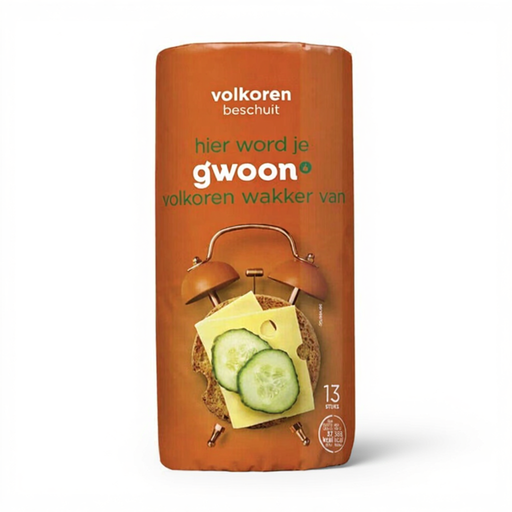 Image unavailable
For anyone looking for a smaller pack of crunchy bread to top at lunchtime.
125 g pack; this isn’t a half loaf of soft bread or toastie bread. If you have allergies, read the current ingredients and allergen information.
 Image unavailable
A crunchy base for toppings when you don’t want a soft sandwich or toastie.
215 g pack. This crispbread isn’t half a loaf; if you have allergies, check the current packaging, including any warnings about traces.
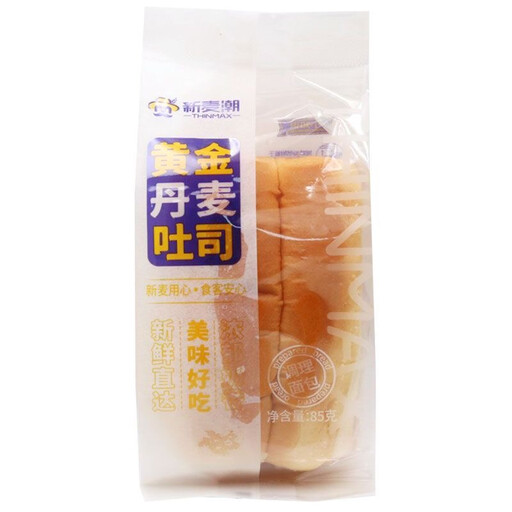 Image unavailable
For anyone looking for a small portion of Danish toast instead of slices from half a loaf.
85 g pack. The product information lists 15 g of sugars per 100 g; compare the nutritional information if that matters to your choice. If you have allergies, check the current packaging.
 Image unavailable
For anyone who wants to use individual flatbreads as a lunch base instead of half a sliced loaf.
The product name states that the pack contains six pieces. This is flatbread, not toastie bread or crispbread; check the storage instructions after opening if you don’t eat it regularly.
No. According to the Voedingscentrum, ‘wholemeal’ on bread means it is made from 100% wholemeal flour, while brown bread is a mixture of wholemeal flour and white flour. So check that the bread you buy is explicitly labelled wholemeal.
No. The Voedingscentrum says that bread doesn’t have to be baked with baker’s salt. Check the ingredients on the label if you want to know whether the bread you’ve chosen contains it.
Freeze the bread in lunch-sized portions after buying it, and take out what you need. The Voedingscentrum recommends keeping opened wholemeal bread in a bread bin for 2–4 days, or in the freezer for 1–3 months; the quality may decline if it’s stored for longer.
Check the ingredients and allergen information on the packaging of the specific product. The Netherlands Food and Consumer Product Safety Authority explains that allergens in prepacked foods must be clearly listed in the ingredients; don’t rely on the general product name.