Which pack is right for you?

Small camping group without a fridge

If there are one or two of you, you may want to take something ready to eat without having to open a large pack. The Netherlands Nutrition Centre points out that campsite cooking facilities are often limited. Choose toppings separately, based on what you can store safely.

Walkers and day campers

For occasional meals on the go, look for individually wrapped portions. Jumbo lists eight portions in its Mini Crackers Naturel; Bolletje describes its Ciabatta Snack Crackers as being wrapped in pairs. Crackers are an alternative to Melba toast, not the same product.

Families and groups at a permanent campsite

If several people eat toast regularly, a larger 240 g pack could be a good fit. Bear in mind that once opened, it needs to be stored in a cool, dry, dark place in a well-sealed pack. This is the Netherlands Nutrition Centre’s storage advice for toast.

What should you look for when choosing?

Small pack of Melba toast

Choose this if: you have only a few toast meals planned with a small group.

Bear in mind: even a small pack needs protecting from moisture and breakage once opened.

Individually wrapped crackers

Choose this if: you want individual snacks without opening the whole pack at once.

Bear in mind: crackers differ from Melba toast in shape and how they work with toppings.

Large pack of Melba toast

Choose this if: your group eats toast regularly during your stay.

Bear in mind: an opened pack needs to be stored somewhere dry and sealed.

Half a loaf

Choose this if: you prefer soft bread and can use the amount for your planned meals.

Bear in mind: follow the storage instructions for your chosen bread; the advice for toast does not automatically apply.

What to consider What to check before buying Who it matters to
Eating without refrigeration or preparation Check the best-before date and storage advice; assess perishable toppings separately. I don’t have a toaster and can’t simply store chilled toppings, so I want something ready to eat. This is the top priority for around 37% of consumers.
Quantity and leftovers Compare the pack size and number of inner packs with your planned meals. With a small group, I don’t want to leave with an opened pack that we’ve barely used. Around 27% of consumers prioritise avoiding leftovers.
Portions for on the go Check whether portions are individually wrapped and, if needed, bring a sturdy storage container. When I’m out walking, I want to be able to take one portion without opening the rest. This is the top priority for around 18% of consumers.
Ingredients and allergens Read the ingredients and allergen information, including any warnings about possible traces, on the exact pack. If I need to avoid certain ingredients, the label tells me whether this particular product is suitable. This check is the top priority for around 18% of consumers.

Common mistakes

  • Choosing a large pack without planning how much you’ll use

    A 240 g pack could leave you with leftovers if a small group only eats toast a couple of times. Toast can also lose its crispness once the pack is open.

    Count your planned meals first and choose an amount that suits them. Keep any leftovers in a well-sealed pack.

  • Leaving an opened pack unsealed

    Moisture can affect the quality of toast. The Netherlands Nutrition Centre recommends storing it in a cool, dry, dark place in a well-sealed pack.

    Seal the pack after use and take a sturdy, sealable container for transporting it.

  • Treating dry toast and perishable toppings the same way

    Toast that does not need refrigeration does not mean dairy products or sliced meat can be kept out of the fridge. The Netherlands Nutrition Centre recommends taking extra care with food safety when camping.

    Plan your toppings separately: choose something that can be stored without refrigeration according to its label, or keep perishable products sufficiently chilled and use them promptly.

  • Assuming all toast contains the same allergens

    Melba toast and crackers have different ingredients. For example, Albert Heijn lists wheat, barley and soya among the allergens in Van der Meulen Melbatoast Naturel.

    When buying, check the ingredients and allergen information for the exact product you’re taking with you.

Brands and shop ranges to help you choose

Van der Meulen

The Melbatoast Naturel described by Albert Heijn contains 100 g, divided into five packs.

  • The inner packs let you spread the toast across several meals.
  • Albert Heijn lists wheat, barley and soya as allergens for this product; check the label on the pack you buy.

Bolletje

Ciabatta Snack Crackers Tomaat & Kruiden are seasoned crackers, not plain Melba toast.

  • Bolletje says these crackers are wrapped in pairs for eating on the go.
  • Check that the flavour and ingredients suit your toppings and any allergens you need to avoid.

Jumbo

Jumbo lists Mini Crackers Naturel in eight portions of 31,25 g.

  • The stated portions are useful if you want to spread the pack across several meals.
  • These are mini crackers, not Melba toast; check the label on the pack you choose for ingredients and allergens.

Albert Heijn

According to Albert Heijn, its range of party toast includes both its own Melba toast and varieties from Van der Meulen.

  • You can compare the contents and packaging of different types of toast.
  • Ingredients and allergens can vary between products; check the physical pack.

Sun Snacks (ALDI)

ALDI lists Sun Snacks Melba Toast Naturel in a 240 g pack.

  • This quantity could suit a group that eats toast regularly.
  • For just a few meals, a smaller pack may be more practical; seal an opened pack well.

Lidl

Lidl lists a 240 g Melba toast product that is available in store only.

  • The stated pack size gives you a useful indication when judging how much a group needs.
  • In store, check the ingredients, allergens and packaging of the product you’re actually buying.

Products for different mealtimes

These Joybuy products include small and large packs of Melba toast, crackers, and small packs of bread or toast. Focus on how much you’ll use during your stay and the storage instructions for the product you choose. An 85 g pack is not the same as half a loaf.
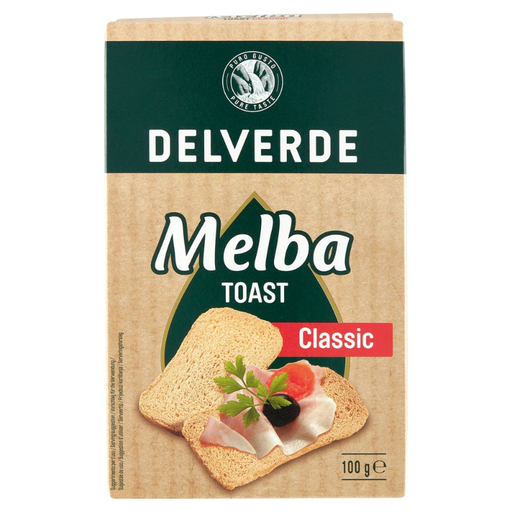
Delverde Classic Melba Toast, 100 g

Delverde Classic Melba Toast 100 g

A small pack of Melba toast for a few meals. The stated pack size is 100 g; check the inner packaging if you don’t want to open everything at once.

View at Joybuy
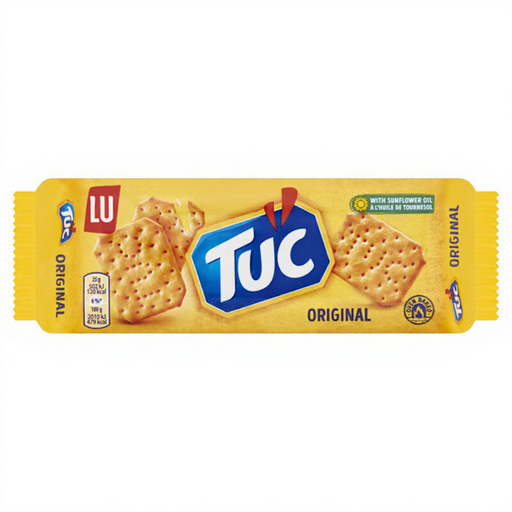
Tuc Original Crackers, pack labelled as 100 g

Tuc Original Crackers 100 g

Crackers as an alternative to Melba toast for occasional meals. The product title states 100 g, while the description gives a different portion breakdown; check the net weight and inner packaging on the label.

View at Joybuy
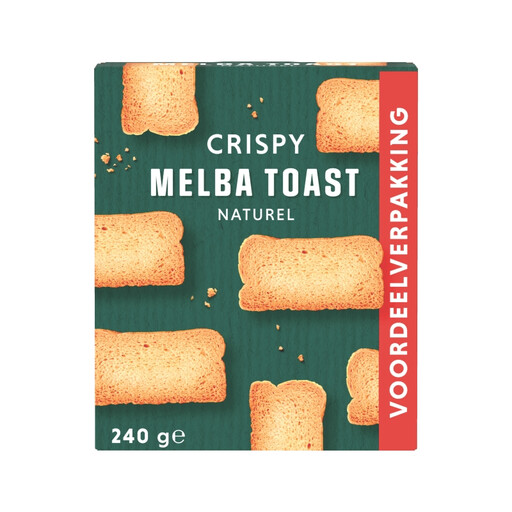
Crispy Melba Toast, 240 g

Crispy Melba Toast 240 g

A larger pack of Melba toast to consider if a group eats it regularly. The pack contains 240 g. Check the allergens on the physical pack, especially if you need to avoid certain ingredients.

View at Joybuy
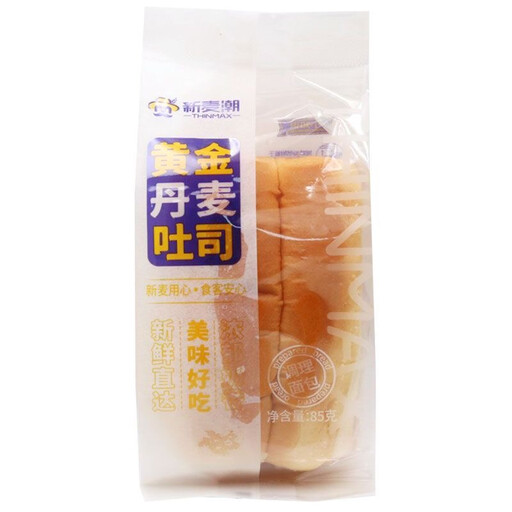
Thinmax Xinmaichao New Mak Chiu-Golden Danish Toast, 85 g

Thinmax Xinmaichao New Mak Chiu-Golden Danish Toast 85 g

A small amount of toast or bread for a planned meal, not half a loaf or dry Melba toast. The stated pack size is 85 g; check the storage instructions after opening before taking it along for several days.

View at Joybuy
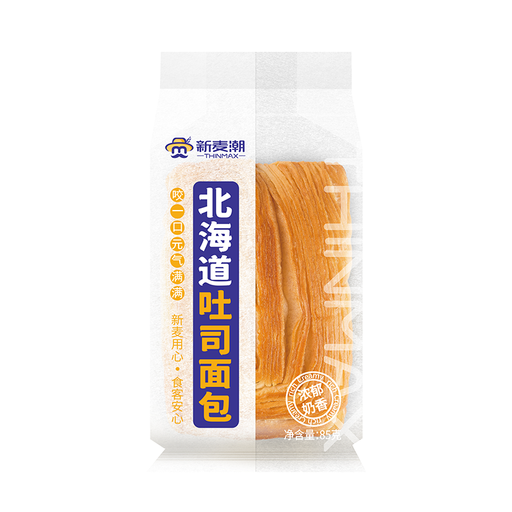
Thinmax Hokkaido Toast Bread, 85 g

Thinmax Hokkaido Toast Bread 85 g

A small pack of bread for a meal without a toaster, not Melba toast or half a loaf. The stated pack size is 85 g; plan when you’ll use it around the storage instructions after opening, and check the label for allergens.

View at Joybuy

Frequently asked questions

How should I store opened toast at the campsite?

Store opened toast in a cool, dry, dark place in a well-sealed pack. For opened toast, the Netherlands Nutrition Centre recommends storing it in a kitchen cupboard for around one month under these conditions. Check the packaging too, and look out for changes in smell, taste and crispness.

Will half a loaf leave fewer leftovers than toast?

Only if you use it within its recommended storage period. The Netherlands Nutrition Centre recommends keeping opened white baguettes in a kitchen cupboard for two to four days; this is not a general storage period for every half loaf. Check the advice for the bread you buy.

Can I take chilled toppings without a fridge?

Perishable toppings need to be kept sufficiently chilled, even when you’re eating them with dry toast. The Netherlands Nutrition Centre recommends taking extra care when storing food while camping. Choose toppings that can be stored without refrigeration according to the label, or use suitable cooling and eat chilled products promptly.

Does Dutch toast always contain iodine from baker’s salt?

No. Dutch regulations do not mean that every toast product contains iodine. The Netherlands Food and Consumer Product Safety Authority explains that iodine compounds may only be present in bread, bread substitutes and other bakery products through added baker’s salt, with a maximum of 65 mg of iodine per kg of salt. Check the ingredients of the product you choose if iodine is relevant to your purchase.

Can you swap Melba toast for mini crackers if you have a gluten allergy?

No. Assess each specific product separately by checking the label. Albert Heijn lists wheat and barley among the ingredients in Van der Meulen Melbatoast Naturel; don’t rely on the product category alone when checking mini crackers either.
