
Camper with a separate radio
You want to follow a radio play without relying on a radio app. The first thing to consider is how to connect the radio to your headphones.


First, decide whether you’ll listen through a radio app on your phone or use a separate FM or DAB+ radio: Bluetooth headphones won’t automatically receive a signal from a separate radio. Then choose between a close-fitting design that helps keep dialogue clear and an open design that lets you hear more of what’s happening around you. Check the fit, too, and treat the stated battery life as a maximum, not a guaranteed listening time.
You want to follow a radio play without relying on a radio app. The first thing to consider is how to connect the radio to your headphones.
You listen through a phone or a compatible audio source and want to decide how much background noise to block out so speech is easy to follow.
You want to follow the story while still noticing sounds around the campsite, even if that means less noise isolation.
Start with the audio source, then choose the fit. With an app, the stream and internet connection matter; a separate radio may need a suitable audio output or a broadcast function.
| What to consider | What should you check? | Which consumers is this for? |
|---|---|---|
| Connection to the radio source | With a phone, check that the broadcast is available and that you have a connection. With a separate radio, check its audio output and whether you’ll need a Bluetooth transmitter. | If I use a separate radio, I want to know first how its sound will reach my headphones wirelessly. Around 33% of consumers in this camping scenario put the connection to the radio source first. |
| Following dialogue | Compare a close-fitting design with an open one, and check whether noise cancellation or an ambient sound mode can be adjusted. | If sounds around the campsite drown out the dialogue, I want more noise isolation so I can follow the story. Around 27% of consumers give clear dialogue their top priority. |
| Listening for longer | Compare the stated battery life and charging options. If possible, try the fit, including while wearing glasses. | For a long listening session, I want a comfortable design that won’t need to be charged unexpectedly. Around 20% of consumers prioritise battery life and comfort. |
| Ambient sound and outdoor use | Choose between an open and a close-fitting design. Check the IP rating for the exact model and bear in mind the stated limits on use. | If I want to stay alert to others at the campsite, I want to hear ambient sounds, even if that means less dialogue isolation. Around 20% of consumers prioritise awareness of their surroundings. |
A radio’s Bluetooth may be designed to receive audio from a phone instead. In that case, the radio won’t necessarily be able to transmit audio to Bluetooth headphones.
Check whether the radio can transmit audio. If it only has a suitable audio output, a separate Bluetooth transmitter could be the answer.
Bear in mind that you may also need to bring and charge a transmitter.
An open design lets you hear more of what’s happening around the campsite, but blocks out less background noise than a close-fitting design.
For a radio play, decide whether you’d rather stay aware of your surroundings or block out noise to hear the dialogue clearly.
Stated battery life applies to specific models and doesn’t guarantee how long the headphones will last with your settings and usage.
Compare the maximum playback time for the exact model and plan how you’ll charge your phone and headphones.
With heavier use, you may need to charge more often than the maximum figure suggests.
The WH-CH520 is an on-ear option if you’re looking for compact headphones with a long stated battery life.
The Tune 720BT is an over-ear option for comparing stated playback time and the possibility of a wired connection.
The OpenRun Pro 2 is an open-ear option if you want to stay aware of sounds around the campsite.
The TAT2200BK/00 is an in-ear alternative that offers an ambient sound mode alongside its close-fitting design.
This selection includes open-ear and close-fitting Bluetooth headphones, as well as a model with a built-in FM radio. Bluetooth headphones won’t automatically receive a signal from a separate radio, so check the broadcast function or connection you’ll need before buying. The Dutch Authority for Digital Infrastructure states that only products bearing the CE mark may be sold in Europe; check the mark on the specific device or its packaging.
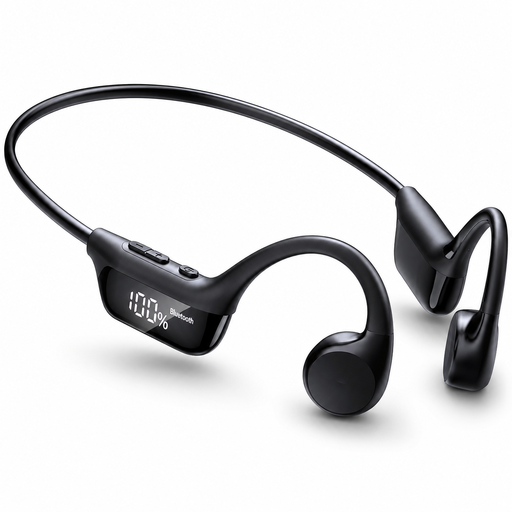 No image available
The open-ear, bone-conduction design is an option if you want to stay aware of ambient sounds while listening.
The product title lists Bluetooth 6.0, up to 12 hours of battery life and IPX7.
An open design blocks out less campsite noise; to use it with a separate radio, you’ll need a suitable broadcast function or a Bluetooth transmitter.
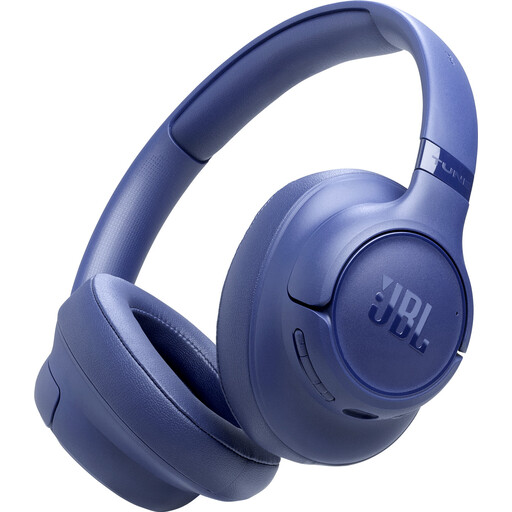 No image available
These close-fitting headphones are an option if you want to reduce ambient noise while listening.
The product description lists Bluetooth, noise cancellation and up to 76 hours of playback time.
Bluetooth headphones won’t automatically receive a signal from a separate radio; check the source’s audio output and broadcast function.
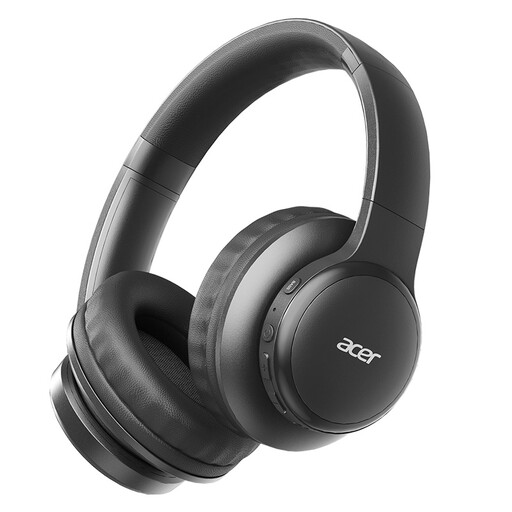 No image available
Bluetooth 5.3 is listed in the product title. Before using it with a separate radio, check whether the source can transmit audio.
The title also lists a foldable design and a USB-C charging port.
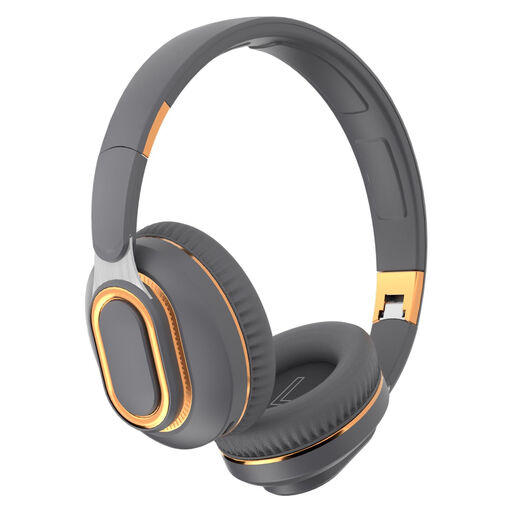 No image available
These over-ear headphones list Bluetooth and AUX options, making them worth comparing if you want to listen wirelessly or through a compatible wired output.
The product description lists up to 16 hours of playback time, a foldable design and playback from a TF card.
The AUX connection is a wired option. For wireless audio from a separate radio, you’ll need a suitable broadcast function or Bluetooth transmitter.
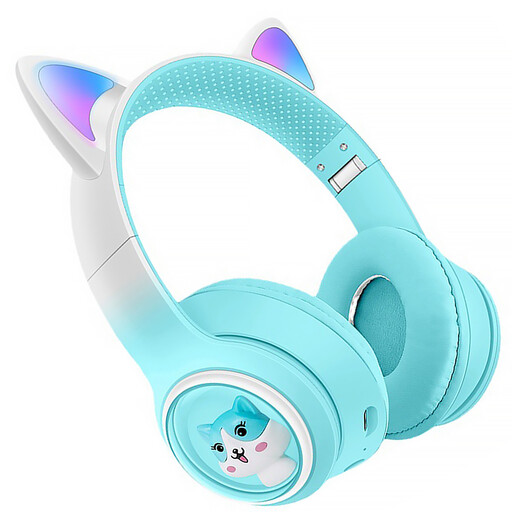 No image available
The built-in FM radio gives you a different way to listen from Bluetooth audio streamed from a phone; reception depends on the broadcast and your location.
The product description lists a TF card slot and up to 10 hours of playback without the lights on.
Bluetooth on the headphones alone won’t let them receive audio from a separate radio.
No. Check whether the radio can transmit audio over Bluetooth. If it only has a suitable headphone output, a separate Bluetooth transmitter can provide the connection; follow the transmitter’s pairing instructions.
A live radio stream in an app needs a working internet connection. A separate FM or DAB+ radio offers a different way to listen, provided the broadcast you want is available and reception is possible at the campsite.
A close fit can help block out ambient noise so you can follow the dialogue, while an open design lets you hear more of what’s happening around the campsite. The right choice depends on how clearly you need to hear the dialogue and how alert you want to stay to others.
Check that the specific model or its packaging carries the CE mark. The Dutch Authority for Digital Infrastructure states that only products bearing the CE mark may be sold in Europe.
Keep the volume moderate and take breaks. The World Health Organization emphasises that sound levels, listening time and how often you’re exposed to loud sounds all matter. Don’t automatically turn up the volume to drown out campsite noise.