
Vandaag of morgen in huis

Kwaliteit gegarandeerd

Welkomstaanbiedingen ontgrendelen: GRATIS bezorging | Tot 80% korting | Gratis 30 dagen JoyPlus-proefperiode
Download de app
A camping tent should suit the way you travel. A compact tent for hiking needs different features from a family tent for a weekend at the campsite. Yet many models look similar in online shops. Terms such as “waterproof”, “pop-up” and “four-season” only tell you so much unless you also check the dimensions, materials and test ratings.
As Joybuy Product Recommendation Officer, I focus on the product information that matters in practice. This helps you compare marketing claims and choose a tent for camping, trekking, festivals or picnics.
A hydrostatic head rating, such as PU2000 mm, describes the water pressure the material is specified to withstand. It doesn’t automatically mean the tent will stay dry in every downpour. Seams, zips, the set-up and the ground beneath it all play a part too.
So check:
A lightweight camping tent is easier to carry, but often offers less living space. Check the total weight, packed size and internal dimensions. For example, a 2-person tent measuring 210 × 140 cm provides sleeping space for two, but little room for luggage.
For hiking and camping, a compact packed size is useful. At a permanent campsite, headroom, a porch or a tarp are often more important than keeping the weight down.
A pop-up tent can spring open quickly, but you still need to secure it with pegs and guy lines. In windy conditions, an automatic frame is no substitute for proper anchoring. Also check how the tent folds away and how much space the carry bag takes up.
Don’t choose based only on the number of people stated on the packaging. A 2-person tent is suitable for two people sleeping with limited luggage. A 3-person tent can be more comfortable for two people who want extra space, but it’s usually heavier.
For families, these points matter:
A family tent measuring 240 × 240 cm can offer plenty of living space, but is less suitable for carrying over long distances.
Polyester with a PU coating is common in tents. The PU2000 mm rating is a technical measurement, not a guarantee for every type of weather. A groundsheet with taped seams helps keep rising damp and short showers at bay.
Also look out for:
According to its own product information, Mobi Garden lists a PU2000 mm flysheet and groundsheet for some models. NatureHike describes its model as waterproof and suitable for four seasons. Use these descriptions to compare products, and always check the current product page.
For a tent used for hiking and camping, low weight and a compact packed size are essential. According to the product information, the Mobi Garden LUNTA weighs around 2.64 kg and packs down to 41 × 16 × 16 cm. That’s a manageable size for carrying in a rucksack or bike bag.
An automatic pop-up design is especially handy for camping, festivals and picnics. In these situations, quick pitching and easy storage often matter more than keeping the total weight down.
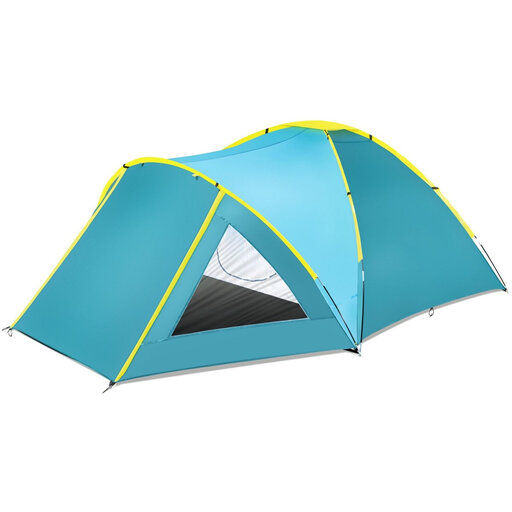
Why it suits this type of camper: This 3-person tent measures 350 × 240 × 130 cm, has a porch and weighs 4.51 kg according to the product information. It’s a good choice for weekend campers who want extra room without bringing a large family tent.
The product information lists a PU2000 mm flysheet, separate inner tent and flysheet, and 15 pegs. Before use, check that all the guy lines are properly secured.
A porch with side windows, mosquito net, storage pocket and carry bag; according to the product information, it takes around 15 minutes to pitch.
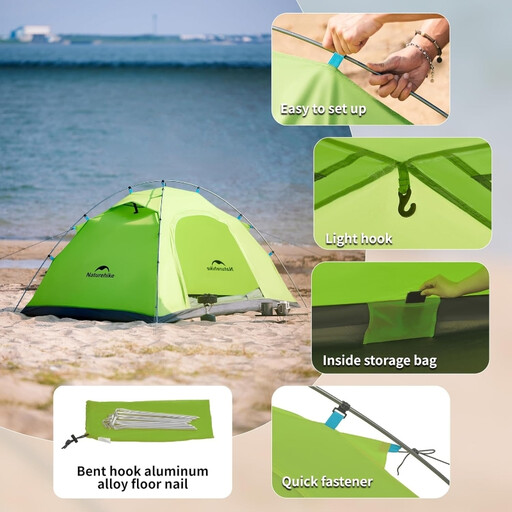
Why it suits this type of camper: According to the product information, this compact model weighs 1.65 kg and measures 200 × 130 × 100 cm. It’s a good fit for backpackers and hikers who want to keep their load light.
The product page describes a waterproof design, UV protection and included pegs. The manufacturer also warns that the tent isn’t intended for conditions outside its stated specifications.
Low weight, a rectangular sleeping area, and suitability for backpacking, mountain treks, camping and family outings.
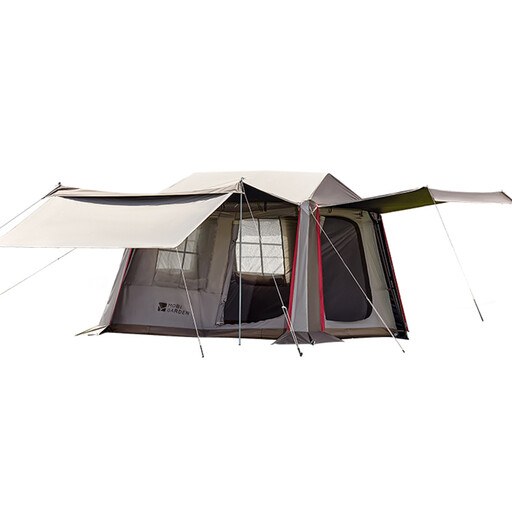
Why it suits this type of camper: According to the product information, this family tent sleeps 2 to 4 people, has a tent area of around 5.9 m² and provides up to around 15.2 m² with the awnings. It’s designed for camping and has an automatic aluminium frame.
The product information lists PU2000 mm for the flysheet and groundsheet, taped seams and mesh windows on all four sides. Even so, pitch the tent in a sheltered spot and use the supplied fastenings.
A blackout layer, automatic aluminium poles, panoramic ventilation and an integrated tarp for extra outdoor space.
We’ve put together a complete, up-to-date list of products that meet these strict selection criteria and comply with current European safety regulations.
Choose a flat spot without sharp stones or branches. Lay the tent out fully, insert the poles as instructed and secure all the corners with pegs. Use guy lines in windy conditions too. Tension the flysheet so it doesn’t touch the inner tent, as this can encourage condensation and leaks.
A tent’s lifespan depends on how it’s used, stored and maintained. Let it dry completely before packing it away, remove any sand and mud, and store it in a cool, dry place. Don’t machine-wash a tent if the manufacturer advises against it. Check the seams, zips, poles and coating regularly.
As well as the purchase price, pegs, a groundsheet, guy lines and possibly a tarp may be extra costs. A pop-up tent can save time when pitching, while a lightweight tent is especially useful on hikes. For families, a model with an awning may mean you don’t need a separate tarp. calc.
