
Vandaag of morgen in huis

Kwaliteit gegarandeerd

Welkomstaanbiedingen ontgrendelen: GRATIS bezorging | Tot 80% korting | Gratis 30 dagen JoyPlus-proefperiode
Download de app
Your camping tent should suit the way you spend the night outdoors. A spacious tent for a family is ideal on a campsite, but awkward if you’re walking with your rucksack every day. An ultralight trekking tent saves weight, but usually offers less living space. If you focus only on the price or a bold marketing claim, you could quickly end up making the wrong choice.
A rating such as PU2000mm or PU4000mm tells you how much water pressure the material is specified to withstand. In practice, performance also depends on taped seams, the condition of the coating, correct pitching and the ground beneath the tent.
So check:
A waterproof tent for summer camping isn’t automatically suitable as a 4-season tent for snow or severe storms.
A pop-up or quick-pitch tent can save time, but it still needs to be secured with pegs and guylines on level ground. Wind, wet ground and a poorly tensioned flysheet can all affect its stability.
Pay attention to the packed size, too. An automatic frame makes pitching easier, but can make the tent heavier and bulkier. That may not matter if you’re travelling by car, but it can be less practical for backpacking.
A 2-person tent often has just enough sleeping space for two sleeping mats. A porch or extra living space is useful for storing luggage and clothes, or sheltering from bad weather. The same goes for family tents: a model for 4 or 5 people may have enough room for everyone to sleep, but not always enough space to sit comfortably inside.
So look at:
For walking and cycling, a lightweight tent is usually more important than maximum interior space. A trekking tent weighing around 1 to 3 kilograms is easier to carry than a spacious camping tent weighing 7 to 12 kilograms. Check whether the stated weight includes the poles, pegs and carry bag.
According to its product specifications, the Mobi Garden YADEEN UL2 weighs around 1,18 kg and has a packed size of 48 × 11 × 11 cm. This makes it well suited to long walks and lightweight backpacking. By contrast, an automatic camping tent from Mobi Garden weighs around 7,8 kg, but offers an interior measuring 240 × 240 cm and capacity for 2 to 5 people.
Many tent fabrics are made from polyester, nylon or ripstop nylon. Nylon can be lightweight, while polyester is less prone to stretching when wet. However, the choice of material isn’t the only thing to consider. Look at the combination of:
According to the product description, the Mobi Garden LUNTA 68D has a flysheet rated at PU2000mm and a groundsheet rated at PU4000mm. NatureHike Cloud-Up models are listed with ratings from PU3000mm to PU4000mm, depending on the material variant. Check which version you’ll receive when you order.
A tent with UV protection can be useful on sunny campsites, at picnics or during festivals. A rating such as UPF50+ is a specification for the fabric; your actual experience will also depend on factors such as openings, shade and where you pitch the tent.
Blackout fabric can reduce the amount of light inside the tent, but it doesn’t rule out ventilation. Large mesh doors and windows help with airflow and insect protection. Always keep windows and doors open when cooking or using fuel, and never use an open flame inside the tent.
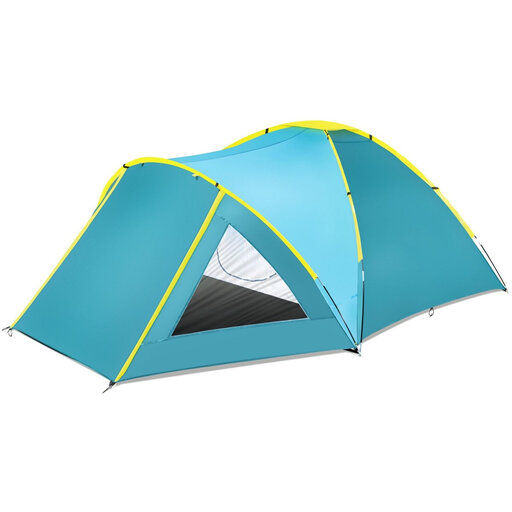
Why it suits this type of camper: A practical choice for weekend camping, with room for three people and an awning for luggage or shoes. According to the product information, the tent can be pitched in around 15 minutes.
The product specifications list a PU2000mm flysheet, separate inner and outer tents, and included guylines and pegs. The awning means you don’t have to keep all your belongings in the sleeping area.
Dimensions of 350 × 240 × 130 cm, weight of around 4,51 kg, awning, mosquito net and 15 pegs.
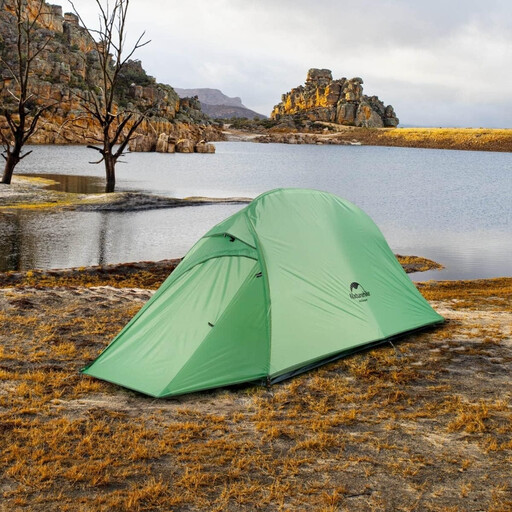
Why it suits this type of camper: This lightweight tent is designed for solo backpackers, hikers and hillwalkers who want to carry a compact place to sleep.
The listed specifications include 7001 aluminium poles, fully taped seams and a packed weight from around 1,5 kg, so the low weight isn’t based on the fabric alone.
1-person dome tent, 210 × 110 × 100 cm, suitable for 3-season use, mesh panels for ventilation and a PU4000mm hydrostatic head rating for the 20D version.
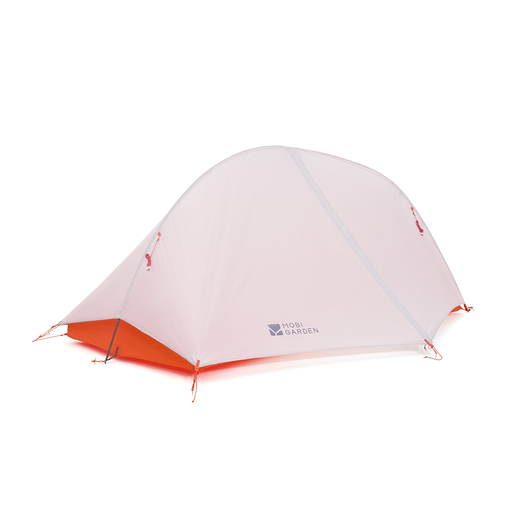
Why it suits this type of camper: For two people covering long distances who want to keep weight to a minimum. The tent is designed for 3-season use and lightweight mountain treks.
The specifications list ripstop nylon, taped seams, aluminium poles and a mesh inner tent. This lets you assess the materials for yourself, rather than relying on the term “ultralight” alone.
Around 1,18 kg, two doors, dimensions of 216 × 100 cm, PU2000mm and a packed size of 48 × 11 × 11 cm.
We’ve put together a complete, up-to-date list of products that meet these strict selection criteria and the applicable European safety regulations.
Pitch your tent on level ground, away from sharp stones, branches and thorns. Tension the flysheet properly, but don’t pull too hard on lightweight nylon. If your tent gets wet, let it dry completely at home before storing it. Moisture trapped in a closed carry bag can cause mould and damage the coating.
Don’t machine-wash your tent. Follow the product instructions and use water, a soft cloth and, if needed, a mild, non-alkaline cleaning product. Avoid cooking, smoking and open flames inside the tent. Even a tent with UV protection is vulnerable to prolonged sun exposure, so check the fabric, seams and poles regularly.
First, choose a level, sheltered spot and check the ground. With a pop-up tent, unfold the frame, position the corners and secure the tent with pegs. With a trekking tent, assemble the poles first, attach the inner tent and then put on the flysheet. Always read the instructions for your specific model.
That depends on the materials, how often you use it, UV exposure and how well you look after it. A tent that’s cleaned and dried after every trip may last longer. Check the seams, zips, pegs and water-repellent coating before each season.
Look for a flysheet and groundsheet with a stated hydrostatic head rating, sealed seams, adequate ventilation and a flysheet that sheds water effectively. No tent can make up for incorrect pitching: poorly tensioned fabric, open zips or water running underneath the groundsheet can all cause problems, even with a suitable waterproof tent.
