
Camper who wants to stay approachable
You want to follow a history podcast while still being able to hear people and sounds around you. An open design is better suited to this than a fully noise-isolating fit.


Choose open-ear earbuds if you want to keep hearing people and sounds around you while listening. Choose noise-isolating headphones if background noise makes it hard to follow the spoken podcast and you’re listening somewhere quiet and safe. Shokz describes the OpenFit Air as an open design, while the Sony and JBL models mentioned also offer ways to let in ambient sound. These modes are not the same as an open design.
You want to follow a history podcast while still being able to hear people and sounds around you. An open design is better suited to this than a fully noise-isolating fit.
If you miss spoken sections when the campsite is noisy, you could compare a noise-isolating fit or adjustable noise cancellation. Don’t automatically turn the volume up to drown out background noise.
You want to listen for several days and need to weigh the stated battery life against your listening mode, the charging case and how much room you have for it.
Suitable when: you want to stay aware of your surroundings by your tent or around the campsite.
Trade-off: an open design doesn’t block background noise, which can make spoken words harder to follow in noisy surroundings.
Suitable when: ambient noise is making it hard to hear the narrator and you’re listening somewhere quiet and safe.
Trade-off: noise-isolating earcups and noise cancellation can make you less aware of people and sounds around you.
Suitable when: you’d rather wear a headband than separate earbuds and want to compare an on-ear model.
Trade-off: the pressure on your ears and how well they seal depend on your personal fit.
| Feature to consider | What to check before buying | Who should consider this? |
|---|---|---|
| Hearing ambient sounds | Check whether the model is open-ear or simply has an ambient sound mode. At a normal volume, listen to check whether you can hear both speech and important sounds around you. | If I want to stay approachable by my tent, hearing ambient sounds comes first. This is the top priority for around 28% of consumers. |
| Understanding spoken words | Compare the fit, seal and noise cancellation. Also check whether you can switch that feature off quickly, and assess how clearly you can hear speech at a safe volume. | When background noise makes me miss parts of the podcast, I want to follow the narrator without turning the volume up. Around 22% of consumers prioritise clarity. |
| Battery life between charges | For headphones, check the stated battery life for the listening mode you use. For earbuds, distinguish between battery life per charge and the total battery life with the case. | If there’s no regular charging point on my camping trip, the battery life needs to suit my listening mode. Charging and battery life are the top priority for around 22% of consumers. |
| Fit and packing space | If possible, try the pressure and fit with your own glasses or headwear. Check whether the specific version you’re considering folds up. | For a longer listening session, I want a comfortable fit that doesn’t take up unnecessary space in my luggage. Around 17% of consumers prioritise fit and portability. |
| Exposure to moisture outdoors | Check the rating for the exact version and which component it applies to. Keep your equipment dry in the rain. | If I use my headphones outdoors, I want to know what level of moisture the model can withstand. Moisture protection is the top priority for around 11% of consumers. |
Shokz states that the OpenFit Air offers up to 6 hours per charge and 28 hours in total with top-ups from the case. These figures describe different periods of use.
Compare the playtime per charge and the total time with the case separately.
An ambient sound mode on noise-isolating headphones is a listening setting; with an open-ear design, the ear canal remains unobstructed. The designs therefore let you hear sounds around you in different ways.
First decide how aware of your surroundings you need to be, then check how to operate the relevant listening mode.
Shokz gives the OpenFit Air an IP54 rating, but this doesn’t establish that the charging case has the same protection.
Check the rating for each component and keep the case dry.
The OpenFit range is worth considering if an open design matters to you and you don’t want to block your ear canals.
The WH-CH720N is an over-ear model to compare if you want to switch between noise cancellation and an ambient sound mode.
The Tune 770NC is a foldable over-ear model to compare if noise cancellation and an ambient sound mode matter to you.
The Space One is a noise-isolating alternative to compare if you’re looking for adjustable transparency and folding earcups.
The TAH4500BK/00 is an on-ear model to compare if replaceable parts matter to you.
This selection includes an open-ear model and noise-isolating over-ear headphones with noise cancellation or a feature that lets you hear ambient sounds.
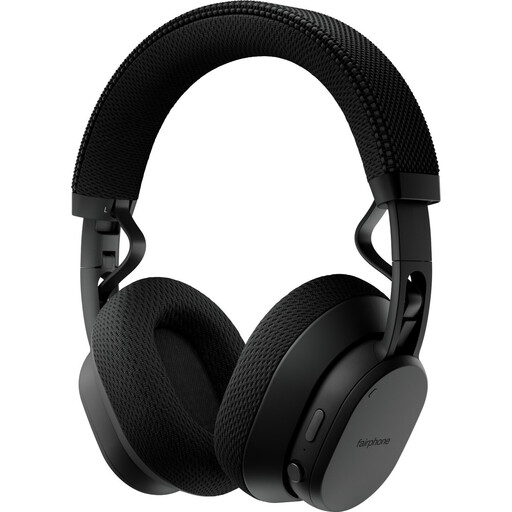 No image available
Noise-isolating over-ear headphones to compare if you want noise cancellation and an ambient sound mode.
The product description states up to 26 hours with ANC on and an IP54 rating. Don’t expose the product to liquids beyond what the stated IP54 rating covers.
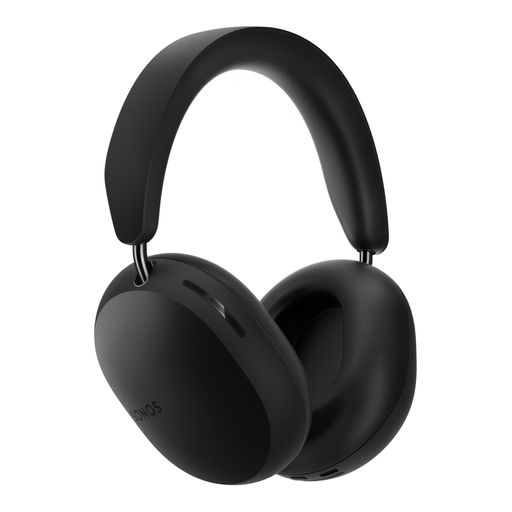 No image available
An over-ear model to compare if you want to combine noise cancellation with an ambient sound mode.
The product description states that it has ANC, Aware mode and up to 30 hours of listening time with ANC on.
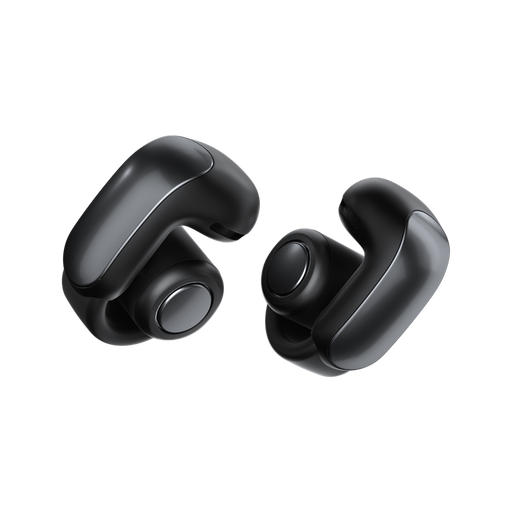 No image available
An open-ear model to compare if you want to stay aware of your surroundings while listening.
The product description states that it has Bluetooth 5.3 and an IPX4 rating. Don’t use the product in high-humidity environments.
 No image available
An over-ear model to compare if you want noise cancellation and a separate transparency mode.
The product description states that it has Adaptive Noise Cancellation, Transparency Mode and up to 60 hours of playback. The model isn’t water-resistant.
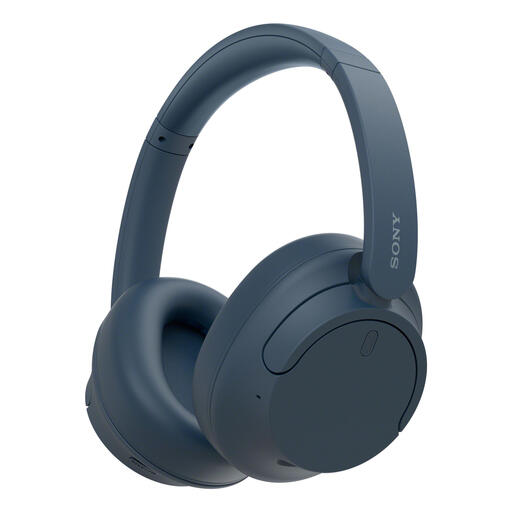 No image available
An over-ear model to compare if you want noise cancellation and the option to adjust the ambient sound setting.
The product description states up to 35 hours with noise cancellation on. Sony states that the ambient sound levels are adjustable. Don’t expose the headphones to water or moisture.
The Dutch Government states that you’re allowed to listen to music while cycling and use your phone hands-free, for example with earbuds. When choosing and using them, make sure you also take traffic sounds into account.
Turn down the volume and take breaks. The World Health Organization identifies sound level, listening duration and listening frequency as factors to consider together. As an example, it cites 80 dB for a maximum of 40 hours per week. Well-fitting headphones or noise cancellation can help reduce the need to turn the volume up in noisy surroundings, but they’re no reason to ignore important ambient sounds.
Charge the model before you leave and compare the stated battery life with the mode you actually plan to use. Shokz lists the OpenFit Air’s battery life per charge separately from its total battery life with the case; soundcore gives different battery life figures for the Space One with ANC on and off. Keep the case and connectors dry.
For many online consumer purchases, you have a 14-day cooling-off period, according to the Dutch Government, although there are exceptions. Before ordering, check the seller’s information about the cooling-off period, returns and any costs. Any manufacturer’s warranty offered is separate from your statutory rights.