
Vandaag of morgen in huis

Kwaliteit gegarandeerd

Welkomstaanbiedingen ontgrendelen: GRATIS bezorging | Tot 80% korting | Gratis 30 dagen JoyPlus-proefperiode
Download de app
Good camping lights need to do more than simply provide light. At a campsite in the Netherlands, you may have to deal with rain, limited charging options and dark paths. In the garden, you’ll mainly want a pleasant atmosphere and minimal maintenance. When you’re on the go, a light could be part of an emergency kit, for example if your car breaks down.
It’s easy to pay too much for features you don’t use. So, look out for these common pitfalls.
A lamp with a high lumen output isn’t automatically suitable for a tent or table. Bright, cool light can be uncomfortable, while a softer setting may be enough for cooking, reading or relaxing. Look for multiple light settings, a dimming function and, if available, different light colours.
Check the official IP rating. IP44 means protection against splashes, but not immersion. IP54 offers protection against dust and splashes. Neither rating means a lamp can be left in a puddle for a long time. Positioning also matters when using a light outdoors: don’t place a solar string light or lamp somewhere where water collects.
Solar-powered outdoor lights need direct daylight to charge their batteries. In winter, on cloudy days or when the solar panel is under a canopy, the light may not stay on as long. Claims about a certain number of hours of light therefore depend on the amount of energy stored and the weather. Also check whether the light switches on automatically and whether you need to press the power button before charging.
A warm LED is usually enough for ambient lighting. An adjustable camping light is more practical for a table, awning or work area. Higher brightness helps illuminate a wider area, while a portable torch provides a focused beam.
When choosing a rechargeable outdoor light, check:
A larger battery may last longer, but it can also make a lamp heavier. So consider the balance between portability and run time.
The IP code consists of two digits. The first indicates protection against solid particles, while the second indicates protection against water. A product with IP44 is suitable for sheltered outdoor areas and protection against splashes. A product with IP54 also offers greater protection against dust. Always check the product information before using a lamp in heavy rain.
A solar garden light is handy for paths, patios and decorative lighting. Models with a built-in Ni-MH battery charge during the day and often switch on automatically at dusk. For a camping light that you’ll also use inside your tent, USB-C charging is often more flexible.
For emergency lighting, it’s wise not to rely on solar power alone. A rechargeable LED lantern, head torch or torch with plenty of battery reserve is more dependable if it’s cloudy for several days.
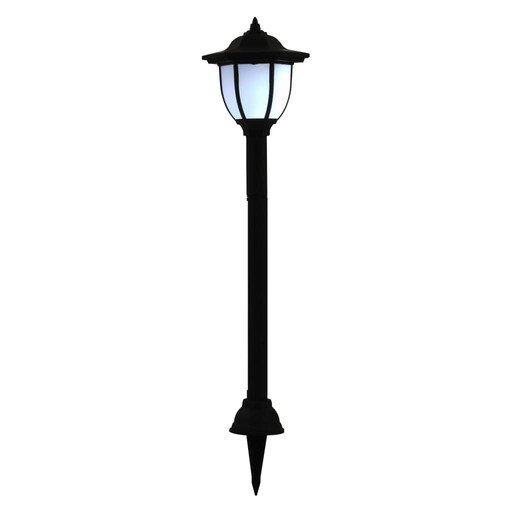
Why it suits this profile: This set is ideal if you’re on a tight budget and want to light several areas of the garden, patio or path.
The specifications list the power, battery and IP44 protection rating. This makes it clear that these are decorative lights, not powerful work or emergency lights.
Three lights, automatic activation at dusk and charging via a built-in AA Ni-MH battery.
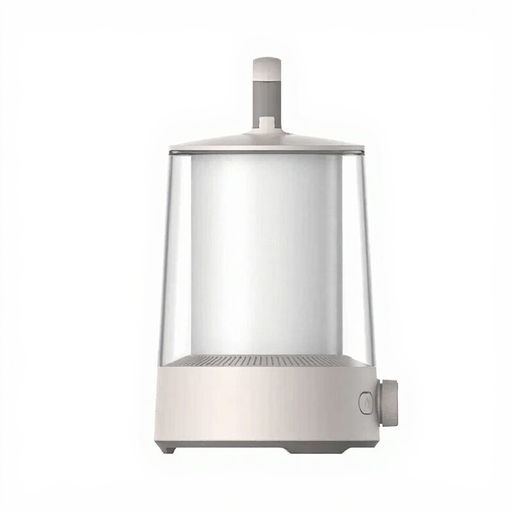
Why it suits this profile: This camping light is a good fit for campers who want one flexible system for the tent, table and a short walk around the campsite.
According to the product description, the light has an IP54 rating, multiple light colours and several settings. The detachable second lamp means you don’t need a separate light for every task.
Head torch with an output of 6 to 230 lumens, detachable 120-lumen lamp, additional 70-lumen side light, Bluetooth control and USB-C charging.
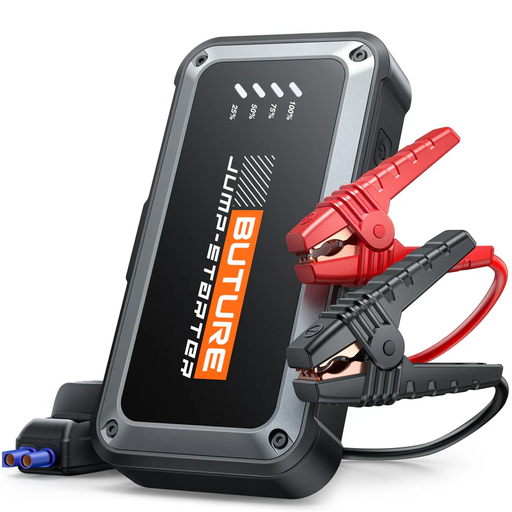
Why it suits this profile: A practical choice for travellers and campers who want to keep a car jump starter and power bank in the car, as well as lighting.
The product information covers use with 12V vehicles, the connection procedure and safety features. Don’t use the device with a damaged, leaking or frozen battery.
16800mAh power bank, four LED settings, two USB outputs and, according to the product description, ten built-in safety features.
For focused light in a tent, on a walk or during a power cut, a separate rechargeable Xiaomi torch may be more practical. If you’re mainly after ambient lighting, choose a solar string light or a garden light with a motion sensor. Always check the stated IP rating and how much sunlight the light needs.
We’ve put together a complete, up-to-date list of products that meet these strict selection criteria and the applicable European safety regulations.
A low to medium setting is often enough for ambient light in a tent or around a table. You’ll need more light for cooking, reading a map or doing jobs. A lamp with a dimming function is therefore more flexible than a model with just one brightness setting.
That depends on the battery, light setting, temperature and charging method. Solar lights rely on daylight. Check the stated run time for the different settings, and fully charge a battery-powered or USB-rechargeable light beforehand.
It can be handy for decorative lighting, but it’s not always suitable as your main light source. A solar lantern is useful around an awning or on a patio, while an LED lantern or portable torch is a better choice when you need focused, reliable light. Also consider portability, charging options and water protection.
