
Vandaag of morgen in huis

Kwaliteit gegarandeerd

Welkomstaanbiedingen ontgrendelen: GRATIS bezorging | Tot 80% korting | Gratis 30 dagen JoyPlus-proefperiode
Download de app
The right camping gear can be the difference between a memorable holiday and a week of frustration. However, the market is flooded with products that over-promise and under-deliver. As a Product Recommendation Officer at Joybuy, I see the challenges consumers face daily. Before you invest in new camping equipment, it's wise to look beyond the marketing hype.
Common pitfalls are easy to spot if you know what to look for:
To prevent your outdoor gear from needing replacement after just one season, you can focus on a few objective specifications. These numbers and terms tell the real story.
The waterproof rating of a tent fabric is expressed in millimetres (mm) of water column. This number indicates how much water pressure the fabric can withstand before it starts to leak.
For camping items like a chair or a folding wagon, the frame and fabric are crucial for their lifespan.
A good camping air mattress provides support and stays fully inflated all night. The internal structure is the deciding factor here. A simple PVC air mattress without an internal structure will sag in the middle. A camping air mattress with an internal coil-beam construction has vertical air chambers that distribute weight more evenly and offer more support, comparable to a regular mattress.
Not everyone needs the same camping setup. We've highlighted a few popular choices that suit different needs, based on their specifications.
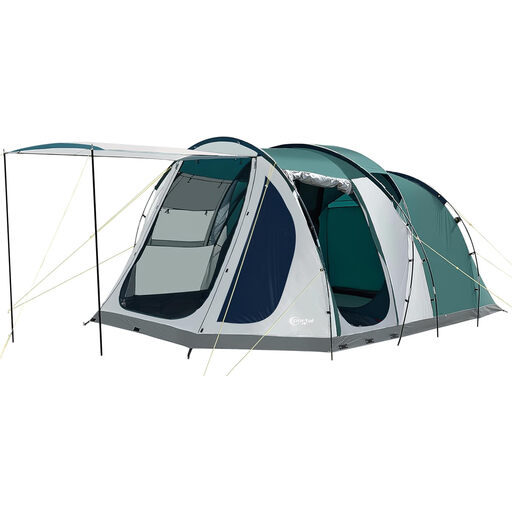
Why This Fits Their Persona: With separate living and sleeping areas, this tent offers plenty of room for a family and their luggage. The 200 cm standing height and good ventilation make it comfortable for a longer camping holiday.
This tent bypasses the "leakage pitfall" with a 3000 mm water column rating and a fully sewn-in groundsheet, which is essential for unpredictable weather.
Spaciously designed with 7.05 m? of sleeping space and 5.8 m? of living space. Good ventilation through multiple doors and windows reduces condensation.
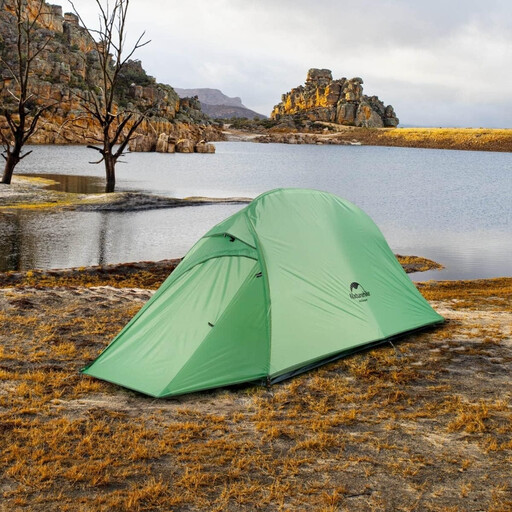
Why This Fits Their Persona: Specifically designed for backpackers and hikers for whom every gram counts. Its compact packed size fits easily into a backpack.
This model tackles the "impractical weight" pitfall with a verifiable weight starting from 1500 grams. The high waterproof rating (up to PU4000MM) is an objective guarantee against leaks.
Extremely lightweight and compact. The 7001 aviation-grade aluminium frame ensures stability in wind without adding extra weight.
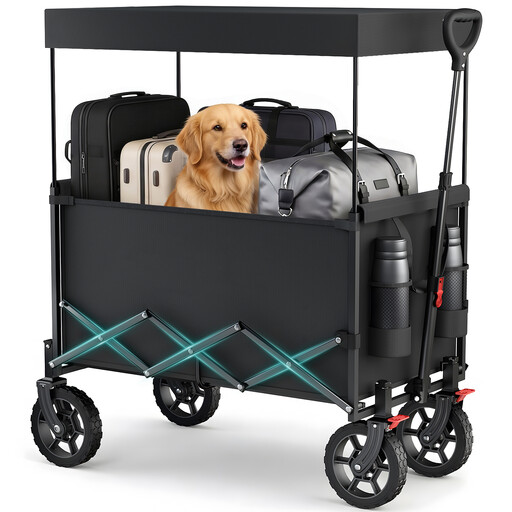
Why This Fits Their Persona: Ideal for anyone tired of hauling gear from the car to the campsite. Useful for families, festival-goers, or for a day at the beach.
This wagon is a direct solution to the "impractical transport" problem. Its high 150 kg load capacity and off-road tyres prevent the disappointment of a flimsy cart that gets stuck.
Large capacity (150L), foldable for compact storage, and a removable canopy for protection against sun and light rain.
Proper preparation is half the battle. Check out our full range of camping gear that meets clear specifications and practical requirements.
The lifespan of a camping tent depends heavily on the material, frequency of use, and maintenance. A polyester tent used a few times a year will last an average of 3 to 5 years. Key factors to extend its life include: always storing the tent completely dry to prevent mould and limiting exposure to direct UV light when the tent is not in use.
The water column is a standardised measurement for the waterproofness of the tent fabric. A value of 3000 mm means that a square centimetre of the fabric can withstand the pressure of a 3-metre-high column of water before water leaks through. For camping in regions with variable weather, a water column of at least 1500-2000 mm is recommended for summer, and 3000 mm or more for those who want to stay dry in the spring and autumn as well.
That depends on the wheels. Models with wide, so-called 'off-road' tyres perform significantly better on soft sand than models with narrow, hard wheels. Narrow wheels tend to sink into the sand, making it very difficult to pull. Therefore, always check the wheel specifications if you plan to take the wagon to the beach.
