
Vandaag of morgen in huis

Kwaliteit gegarandeerd

Welkomstaanbiedingen ontgrendelen: GRATIS bezorging | Tot 80% korting | Gratis 30 dagen JoyPlus-proefperiode
Download de app
A good camping setup doesn’t have to be complicated. Yet many people buy a product based on an attractive photo, a big number or a promising marketing term. It’s only when they get to the campsite that they discover a tent is too heavy, a sleeping mat doesn’t insulate enough or a camping trolley is difficult to steer.
In this guide from the Joybuy Product Recommendation Officer, you’ll learn what to look for when choosing camping gear. The focus is on verifiable details such as dimensions, weight, material, load capacity and water resistance.
A lightweight tent or sleeping mat is handy for backpackers, but a lower weight can also mean the product offers less space, cushioning or stability. Always check the combination of weight, packed size and usable surface area.
For example, a 2-person hiking tent weighing around 2.6 kg could be suitable for two hikers who split the load. For one person carrying everything themselves, a smaller model might make more sense.
Terms like “waterproof” or “rainproof” don’t automatically tell you how a product will perform in prolonged rain, wind or puddles. With a tent, the hydrostatic head of the outer fabric and groundsheet, the seams and the construction are all relevant.
For a hiking rain poncho, it’s wise to check whether the fit also covers a rucksack and whether ventilation is included. With a waterproof picnic mat, the key things are the underside, the size and how the mat folds up.
A folding camping trolley with a high stated load capacity must be used fully opened and locked. Distribute heavy items evenly and take the ground surface into account. On sand, grass or uneven paths, a trolley handles differently than on a flat campsite road.
The ochama camping trolley states a load capacity of up to 200 kg. That is a product specification, not a recommendation to load the trolley to its maximum in every situation.
A camping mattress or sleeping mat for camping needs to be long and wide enough for your sleeping position. Also pay attention to the R-value. This indicates how much resistance a mat offers against heat loss to the ground. A higher value generally means more insulation, but comfort also depends on thickness, ground surface and sleeping bag.
The Mobi Garden Egg Crate Foam Sleeping Pad has dimensions of 183 × 63 × 2.6 cm, weighs approximately 750 grams and has a stated R-value of 2.6. The XPE foam core and the shape of the dimples are designed to provide cushioning and an insulating air layer. According to the product information, the mat is not intended as a replacement for extra insulation in very cold conditions; combining it with an air bed may then be appropriate.
A camping air bed often offers more height and softer sleeping comfort, but requires space for a pump and a way to inflate the bed on site. Also check the dimensions when the air bed is used as a guest bed.
With a lightweight tent, you don’t just look at the number of people. Also check:
The Mobi Garden LUNTA 68D Hiking Tent is rated for two people, measures 210 × 140 × 110 cm and has a packed size of 41 × 16 × 16 cm. The total weight is approximately 2.64 kg. The product description states an outer fabric with PU2000 mm and an inner tent with PU4000 mm. Use the tent on a spot free of sharp stones, tension the guy lines correctly and let everything dry thoroughly before storing it away.
For a camping trolley, wheel type, brakes, load space and folding mechanism are more important than just the volume. For short trips, a picnic blanket may be enough. A foldable or waterproof picnic mat is more practical when you often switch between park, beach and campsite.
The 2-in-1 carry bag and picnic mat has, according to the product description, a diameter of 100 cm, a capacity of 20 litres as a bag and a folded size of 30 × 20 cm. This makes the product particularly interesting for users who want to take outdoor accessories with them compactly.
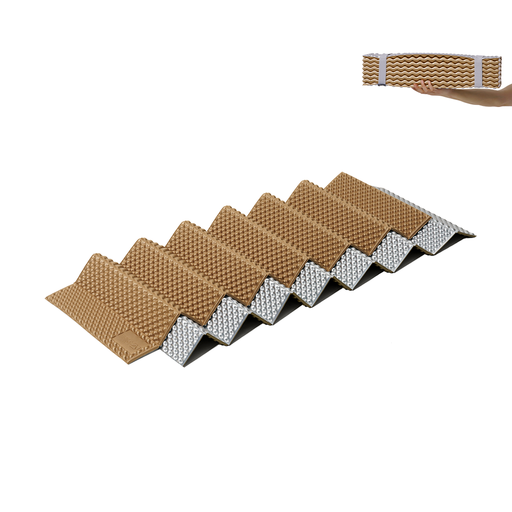
Why this fits the profile: This compact camping sleeping mat is aimed at beginner campers and backpackers who want to keep weight and pack space to a minimum.
The dimensions, packed size and weight are clearly stated. This lets you assess beforehand whether the mat will fit your rucksack and sleeping space.
Approximately 0.5 kg, XPE foam core, water-repellent surface and the ability to connect multiple mats together.
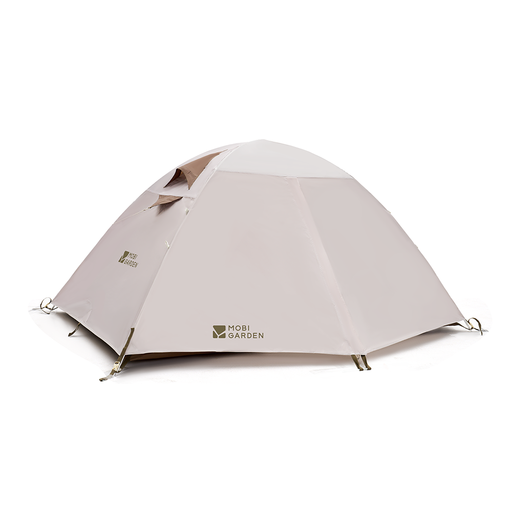
Why this fits the profile: This 2-person hiking tent suits walkers looking for a compact 3-season tent with an aluminium frame.
The capacity, dimensions, packed size and stated hydrostatic heads are all listed. This allows you to compare the tent with your route and luggage.
Space for two people, packed size of 41 × 16 × 16 cm and aluminium frame according to the product information.

Why this fits the profile: Families, festival-goers and campers with lots of luggage can benefit from the large load space and collapsible design.
The load capacity of up to 200 kg, the 127-litre capacity and the safety instruction about locking are all clearly stated.
Collapsible, 127 litres of internal space, 360° swivel wheels and dual brakes according to the product description.
Always let a sleeping mat, tent or picnic mat dry completely after use before storing it away. Remove sand and mud with a soft brush or damp cloth. For foam mats, do not use solvents or hard brushes; these can damage the top layer.
Do not store a mat tightly compressed for long periods. Fold it loosely or lay it flat, depending on the care instructions. Store a tent dry and clean if possible. After a trip, check the poles, zips, seams and pegs.
We’ve put together a full, up-to-date list of products that fully meet these strict selection criteria and comply with current European safety regulations.
Start with a sleeping space, sleeping bag, lighting, protection from rain and enough drinking water. For the sleeping space, you’ll need a tent and a camping mattress or sleeping mat. Depending on the location, add a hiking rain poncho, cooking equipment and a compact camping trolley.
First remove sand and dirt when dry. Then wipe off stains with a slightly damp cloth and let the mat dry completely. Do not use a washing machine, solvents or a hard brush if the manufacturer advises against it.
Not automatically. Look at the conditions in which you’ll use the product. For an annual camping holiday, a simple model may be sufficient. If you hike often, it’s worth comparing weight, packed size, material and maintenance more carefully. That way, you pay for features that suit your use, rather than for general marketing claims.
