
Vandaag of morgen in huis

Kwaliteit gegarandeerd

Welkomstaanbiedingen ontgrendelen: GRATIS bezorging | Tot 80% korting | Gratis 30 dagen JoyPlus-proefperiode
Download de app
A warm meal or a hot cup of coffee can make all the difference during an outdoor adventure. But finding the right camping gas stove can be a challenge. The market is flooded with options, each with its own specifications and promises. How do you know which camping stove is right for your plans, whether you're on a weekend family getaway or a multi-day trek?
My name is Joybuy Product Recommendation Officer. I'm here to help you see through the marketing jargon and focus on what really matters: specifications and practical usability. In this article, we'll compare several popular choices and give you concrete tips to help you make an informed decision.
Before we dive into specific models, here are a few key points to consider. The right choice depends entirely on your type of adventure.
A lightweight gas stove is ideal for backpackers who count every gram. These models are often minimalist and extremely compact. The downside can be a lower power output (measured in watts) and less stability. A heavier but more powerful outdoor stove is often faster, more stable with larger pots, and performs better in windy conditions. So, consider your priority: is it minimal weight for a long hike, or cooking convenience at the campsite?
There are broadly two types:
compact gas stove that screws directly onto a gas canister. You have complete freedom in your choice of cookware. Some models feature a hose, which allows the burner to sit lower to the ground for added stability.backpacking stove comes as a complete kit, where the burner, a special pot, and sometimes a lid fit together seamlessly. They are often designed for maximum efficiency (boiling water faster), and all components nest together for transport.Most modern, portable stoves run on gas canisters with an EN 417 screw thread. This is an international standard, making it relatively easy to find replacement canisters. Always check for compatibility. Some stoves come with an adapter, allowing you to connect other types of gas cylinders, which increases flexibility.
Based on functionality and specifications, we have made a selection for different types of users.
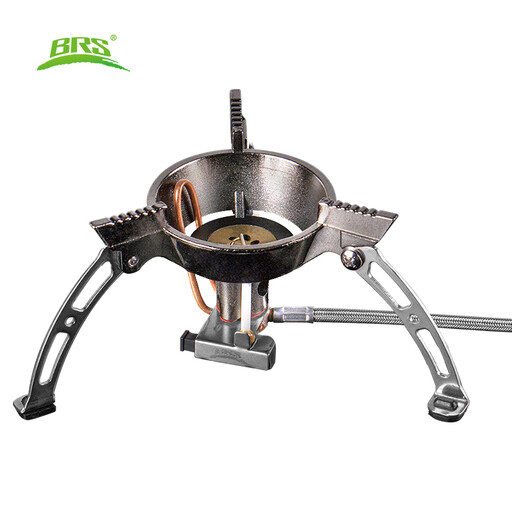
Why it stands out: This model is a versatile and powerful all-rounder. It combines high power output with a stable, wind-resistant design and broad compatibility thanks to the included adapter.
Pros:
Who is it for? For the all-around camper looking for a reliable and powerful camping stove. Suitable for both car camping trips and shorter hikes where weight is not the absolute top priority.
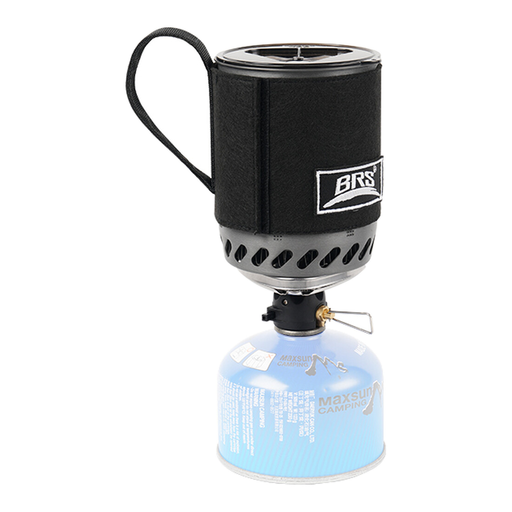
Why it stands out: This is a complete and efficient cooking system. The burner, pot, and lid are designed to function as a single unit and nest perfectly together for transport.
Pros:
Who is it for? Ideal for the solo traveller, backpacker, or hiker looking for a backpacking stove that is efficient, compact, and complete.
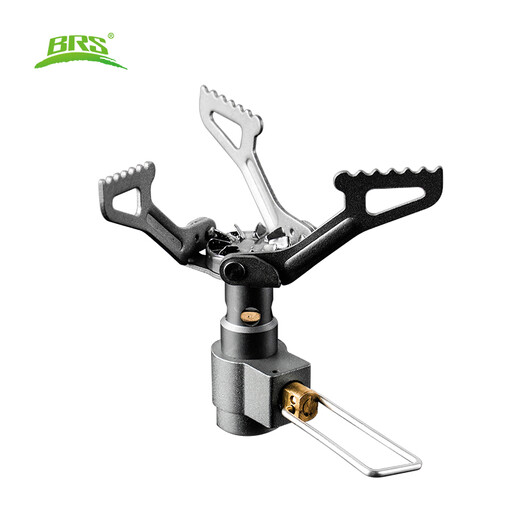
Why it stands out: This is one of the lightest stoves on the market. Made from titanium, it's the ultimate choice for the minimalist adventurer for whom every gram counts.
Pros:
Who is it for? For the ultralight backpacker, thru-hiker, and gram-counter. This is the lightweight gas stove for those who make minimalism and low pack weight their absolute priority.
If your ideal outdoor stove isn't listed here, or if you're curious about other models with different specifications, there are more options available. You can find stoves suited to other needs, such as burners with a wider base for larger groups or models that use different fuels.
Check out our full range and discover more options in our Gas Stoves category.
1. What type of gas canister do I need for a camping gas stove? Most compact stoves, including the models mentioned above, use gas canisters with an EN 417 screw thread. These contain a mix of butane and propane. They are widely available at outdoor supply stores. Always check the product description to ensure you have the correct connection.
2. How much power (watts) do I need? For boiling water for one or two people, a power output of around 2000 W is generally sufficient. If you want to boil water faster, use larger pots, or often cook in colder or windy conditions, a higher output of 3000 W or more is advantageous.
3. Is an ultralight gas stove stable enough for a pot? A lightweight gas stove like the BRS 3000T is designed for use with smaller, lightweight pots. Its stability depends on a flat surface and the size of the pot. For larger, heavier pots, a stove with a wider base or a model with a hose (where the burner stands separately from the canister) is a more stable choice. Always check the recommended maximum load capacity in the specifications.
