
Vandaag of morgen in huis

Kwaliteit gegarandeerd

Welkomstaanbiedingen ontgrendelen: GRATIS bezorging | Tot 80% korting | Gratis 30 dagen JoyPlus-proefperiode
Download de app
Good camping equipment doesn’t have to be complicated. It is important, however, to buy based on how you intend to use it, its dimensions and verifiable product specifications. A tent that seems suitable for a trekking trip may be too heavy in practice. A thick airbed may be comfortable to sleep on, but takes up a lot of space in the car. And a high hydrostatic head does not automatically mean you will stay dry in every shower.
For campers in the Netherlands, three pitfalls are particularly important:
A 3-person tent is not always spacious enough for three adults with luggage. In addition to capacity, look at:
A family tent is generally designed around living space and storage, while a trekking tent needs to be compact and lightweight above all else. For two people, a 2-person tent may be sufficient on a walking trip, but extra room for rucksacks can be useful on a longer journey.
Manufacturers often use a value in millimetres, such as PU2000 mm. This refers to the water pressure that the coated material can withstand according to the product specification. It is not a general promise that the entire tent will remain waterproof in all conditions.
You should therefore also check:
A separate inner tent and flysheet can help with ventilation and protection from rain. Always pitch the tent tightly and choose a level spot without sharp stones or branches.
For backpacking equipment, nylon, aluminium poles and a small packed size are often appealing. A lightweight tent weighing around 1.18 kg is designed very differently from an 11.8 kg family tent with an automatic frame construction.
When choosing sleeping equipment, consider:
A foam mat is simple and quick to roll out. A camping sleeping mat with air chambers or a camping airbed can provide greater sleeping comfort, but requires a pump or repair kit. With an electrically inflated model, check that you have access to mains power or a suitable battery at the campsite.
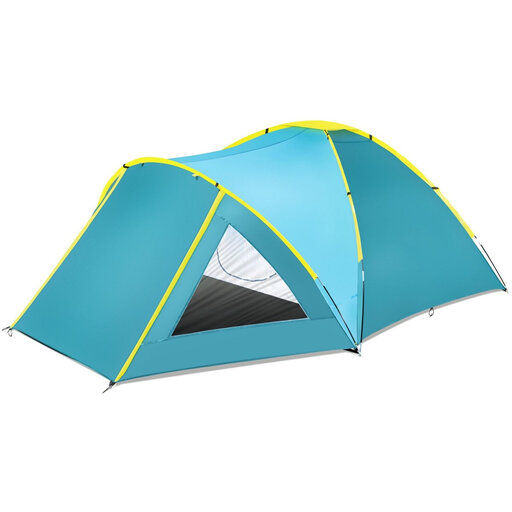
Why it suits this profile: This dome tent is designed for weekend camping and, according to the product specification, offers space for up to three people at 350 × 240 × 130 cm. The canopy can provide extra room for luggage.
The stated dimensions and weight of 4.51 kg make it easier to assess your choice in advance. According to the manufacturer, the flysheet has a hydrostatic head of PU2000 mm; when using it, also check the pitching and tension.
Separate inner tent and flysheet, double zip at the entrance, canopy, mosquito netting, storage bag, guy lines and 15 pegs.
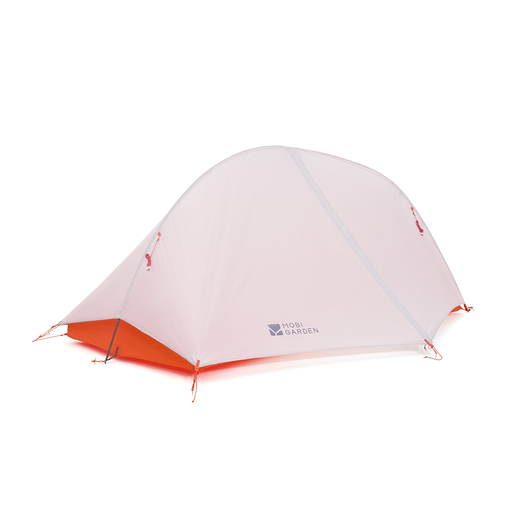
Why it suits this profile: This lightweight tent is designed for long walks, trekking trips and three-season use by two people. Its stated net weight is approximately 1.18 kg.
The combination of a packed size of 48 × 11 × 11 cm and aluminium poles limits the volume in your rucksack. The manufacturer states PU2000 mm for the flysheet; this model is not intended for winter storms.
20D ripstop nylon, two entrances, large mesh panels for ventilation and a hook for a lamp.
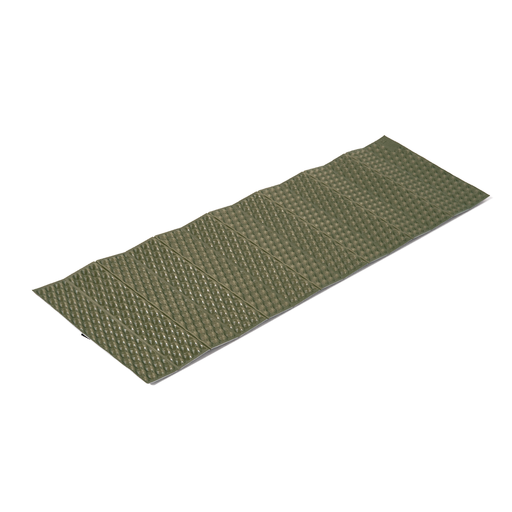
Why it suits this profile: This folding sleeping mat is suitable for camping, backpacking and picnics. It is 183 cm long and 63 cm wide, with a stated R-value of R2.6.
The foam needs no valve or pump, making it less dependent on accessories. In cold conditions, the manufacturer recommends using an additional air mattress.
Approximately 750 grams, water-repellent surface, usable on both sides and suitable for connecting multiple mats together.
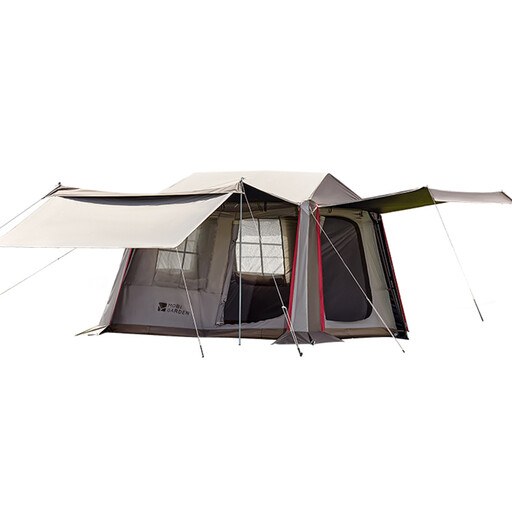
Why it suits this profile: This tent is designed for camping and campsite holidays, with space for 2 to 4 people according to the product information. The automatic aluminium frame construction is designed for quick pitching.
The living area and canopies are clearly stated: approximately 5.9 m² of tent space and around 15.2 m² with the canopies extended. Weighing approximately 11.8 kg, this model is less suitable for walking trips.
Dimensions of 270 × 240 × 190 cm, windows with mesh, PU2000 mm for the flysheet and an integrated canopy construction.
A sleeping bag should suit the expected night-time temperature, your height and the way you travel. Always check the temperature ratings provided by the manufacturer and do not compare them without context. An envelope-shaped model often offers more freedom of movement, while a compact model may be more appealing for carrying in a rucksack.
An inflatable camping pillow is useful if you want to save luggage space. According to the product specification, the Mobi Garden pillow measures 50 × 32 cm, has a packed size of 30 × 10 × 5 cm and weighs approximately 260 grams. It can also be used as a lumbar cushion or back support. Keep it away from sharp objects and allow it to dry completely before storing.
A comfortable camping set usually consists of:
We have put together a complete, up-to-date list of products that fully meet these strict selection criteria and the applicable European safety regulations.
Choose a level spot that is not in a dip where rainwater can collect. Tension the flysheet securely, use all the necessary pegs and attach guy lines when wind is expected. Also ensure good ventilation to reduce condensation inside the tent. Never cook in a closed tent because of the risk of fire and carbon monoxide poisoning.
Its lifespan depends on the material, use, exposure to UV light, moisture and storage. Allow your tent, sleeping mat and sleeping bag to dry completely after every trip. Do not store textiles while damp for long periods, and check the zips, seams, valves, elasticated sections and coating before setting off. Lightweight tent fabric needs extra care on rough ground.
That depends on the number of people and the type of trip. A basic set with a 3-person tent, foam mat and sleeping bag may be suitable for weekend camping. For trekking, costs increase when you choose a lower weight, aluminium poles, a more compact packed size and additional camping accessories. Therefore, do not compare only the price; also consider the weight, dimensions, materials and included components.
