
Vandaag of morgen in huis

Kwaliteit gegarandeerd

Welkomstaanbiedingen ontgrendelen: GRATIS bezorging | Tot 80% korting | Gratis 30 dagen JoyPlus-proefperiode
Download de app
A sleeping bag that is unsuitable for the temperature, a tent that turns out to be heavier than expected or a camping airbed that takes up too much space: the wrong camping equipment can make a weekend outdoors unnecessarily difficult. Marketing copy often emphasises terms such as “ultralight”, “waterproof” or “extra comfortable”, but without measurable specifications, these words tell you very little.
Pay particular attention to three common pitfalls:
Use the checks below to select camping equipment based on how you will use it, its size and verifiable product specifications.
Start by considering how you will transport the equipment. For a walk to a nature campsite, a lightweight tent, a compact camping mat and a portable sleeping bag make sense. If you are travelling by car, comfort and storage space often take priority.
When choosing a camping mat or sleeping mat, check:
A mat that is 55 centimetres wide may be sufficient for a narrow sleeping space, while 63 centimetres gives you more room to move. A thicker model usually takes up more space, but may be more suitable when sleeping on hard or cold ground.
Capacity is also important for transport. A camping wagon with a large load volume is useful for tent poles, a cool box, blankets and groceries. Also check the wheel construction, brakes, maximum load and whether the frame locks securely when the wagon is unfolded.
For sleeping mats, the R-value indicates the level of thermal insulation. A higher value generally means greater resistance to heat loss into the ground, but your experience will also depend on your clothing, sleeping bag, the ground and the outdoor temperature.
According to the product description, the Mobi Garden Egg Crate Foam Sleeping Pad has an R-value of R2.6, a thickness of 2.6 centimetres and an XPE foam core. The shaped ridges create a layer of still air. For cold conditions, the manufacturer recommends combining the mat with an inflatable mattress for additional insulation. This is the manufacturer's usage advice and not a guarantee of a particular sleeping temperature.
When choosing a sleeping bag, check the temperature rating, fit, filling and packed volume. If a product does not clearly state a comfort or limit temperature, it is difficult to match the sleeping bag properly to your camping period. An envelope-shaped model generally offers more freedom of movement than a narrow mummy-shaped model, but may also contain more air as a result.
For a tent, the following details are particularly relevant:
According to the product information, the Bestway Active Mount Camping Tent has a 190T polyester flysheet with PU coating and a waterproof rating of 2000 mm. The tent measures 350 × 240 × 130 centimetres, weighs approximately 4.51 kilograms and is designed for up to three people. The stated pitching time is approximately 15 minutes. Store a tent clean and completely dry to help prevent moisture-related material problems.
A water-repellent outer layer does not mean that a product can be left in rain or damp conditions indefinitely. Dry a camping mat, tent fabric and picnic mat carefully after use. Mould is most likely to develop when moisture is stored for a prolonged period.
Check the ground before unrolling a mat. Sharp stones and branches can damage foam, coatings or air chambers. Do not use sleeping mats or tents close to open flames. Always follow the manufacturer's maintenance and safety instructions.
For walkers and cyclists, outdoor accessories such as a walking poncho, headlamp, waterproof storage bag and compact sitting mat may offer more practical value than additional decorative features. A poncho with a tarp function may be useful if you want to carry fewer separate items, but check the dimensions, fastenings and product information before relying on it for shelter.
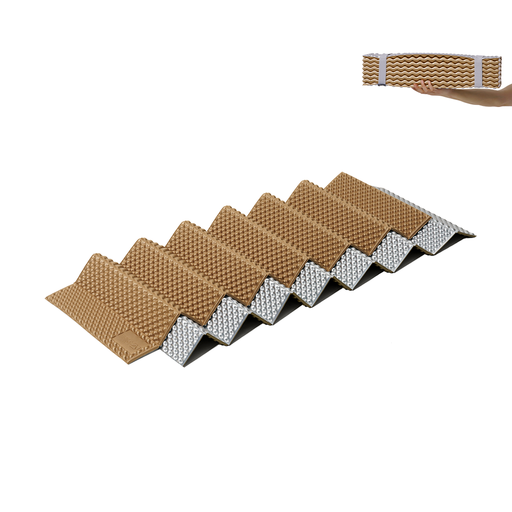
Why it suits this profile: At approximately 0.5 kilograms, this folding camping mat is designed for backpacking and trekking. Measuring 183 × 55 × 1.7 centimetres, it is suitable for anyone who wants to travel light and compact.
The weight, unfolded dimensions and packed size of 56 × 13 × 14 centimetres are clearly stated. This makes it easier to assess portability in advance.
XPE foam, a hard-wearing polyester surface, a water-repellent finish and the option to connect several mats together.
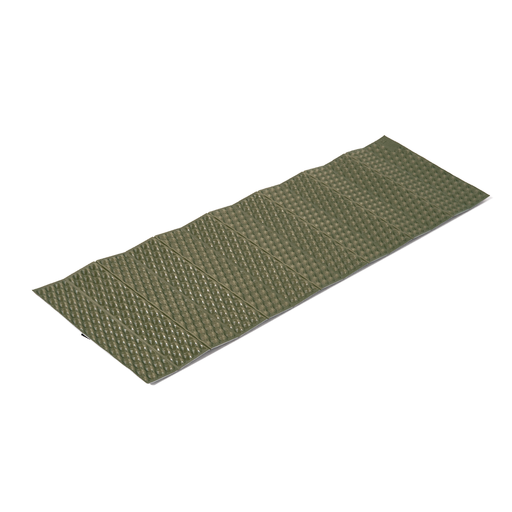
Why it suits this profile: The 2.6-centimetre thickness and 63-centimetre width provide more surface area and cushioning for camping, backpacking and picnics.
The stated R-value of R2.6 provides more useful information than a general insulation claim. In cold conditions, additional insulation is still advisable according to the product information.
750-gram weight, reversible design according to the product description, water-repellent surface and the option to connect mats for group camping.
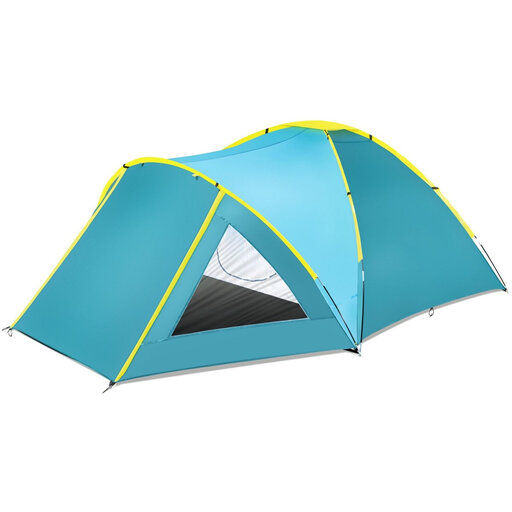
Why it suits this profile: This tent is designed for up to three people and includes a canopy, inner tent and flysheet. That makes it suitable for weekend campers and small families.
The dimensions, weight, 2000 mm hydrostatic head rating and flysheet material can all be checked in advance.
Canopy with side windows, mosquito netting, storage pocket, carry bag, guy lines and 15 pegs according to the product information.

Why it suits this profile: For families, festival-goers and campers transporting lots of belongings around a campsite, this camping wagon offers a load volume of 127 litres.
The maximum load of 200 kilograms is stated. Only use the wagon fully unfolded and locked, on stable ground and without exceeding the limit.
Folding design, 127-litre internal capacity and 360° swivel wheels with dual brakes according to the product description.
We have put together a complete, up-to-date list of products that fully meet these strict selection criteria and the applicable European safety regulations.
Start with a tent, camping sleeping mat, sleeping bag, lighting, cooking equipment and protection from the rain. For a camping holiday by car, you can opt for greater comfort, such as a camping airbed or a larger picnic mat. For backpacking, weight and packed volume are more important.
Remove sand and dirt, clean marks according to the product instructions and allow everything to dry completely. Do not keep a camping mat tightly rolled or folded for long periods if the manufacturer recommends storing it loose. Store tent fabric dry, clean and away from direct sunlight and heat.
Not always. Check the terrain, path widths, wheel construction and maximum load. A camping wagon works well on stable ground, but may be harder to steer on mud, loose sand or steep slopes. Always use the locking mechanism and brakes according to the product instructions.
