
Vandaag of morgen in huis

Kwaliteit gegarandeerd

Welkomstaanbiedingen ontgrendelen: GRATIS bezorging | Tot 80% korting | Gratis 30 dagen JoyPlus-proefperiode
Download de app
A pan that does not fit your camping stove, a handle that gets too hot or a cookware set that barely saves any space: these are common problems with camping cookware. Product photos often focus on compactness and versatility, while important details such as capacity, heat source and cleaning are less obvious.
This buying guide explains what to look for in a camping cookware set, outdoor cooking set or portable barbecue. You will also find practical recommendations for different types of camper.
A set may nest neatly for storage, but that does not automatically mean that all the components will fit properly in your rucksack, caravan or motorhome cupboard. So check:
A portable cooking set for backpacking requires different dimensions from camping pots and pans for a family staying at an established campsite.
According to some brands’ own product information, aluminium, hard-anodised aluminium or a heat-exchange ring can provide faster and more even heating. This is a product claim, not a universal guarantee. Instead, look at the specific features: material, base design, capacity and compatible heat source.
A thin camping cooking pot may heat up quickly, but it can also warp more easily or develop hot spots. For soup, pasta and stews, a suitable base is more important than a marketing term such as ‘efficient heating’.
A non-stick coating can make cleaning easier, but metal spatulas, scouring pads and high temperatures can damage the surface. Use soft cooking utensils and allow your camping cookware to cool down before rinsing it.
Also check whether a pan is suitable for an open fire. A product described as being intended for a camping burner is not automatically suitable for every campfire.
Aluminium is lightweight and is often used for backpacking and camping cookware sets. It conducts heat quickly, but the handles and pan walls can become hot.
According to the product description, the BRS 155-Series camping cookware set is made from hard-anodised aluminium suitable for food contact and has a non-stick coating. The set is designed for 2 to 5 people and includes a large pan, medium-sized pan, pannikin and pan.
According to the product information, the BRS 157-Series uses specially treated aluminium. This set includes a 4.2-litre hanging pan, a 2.9-litre large pan, a 1.7-litre medium-sized pan, a 1.3-litre pan and a 1.1-litre field bottle. This makes the capacity appealing for group meals, but check beforehand that the size is compatible with your cooking appliance.
For one or two people, a large camping cooking pot is often unnecessarily heavy. For families, a small pan set can quickly prove limiting. Use this as a guide:
According to the product specifications, the Naturehike 1-6 Person Portable Hanging Camping Soup Pot Set has a capacity of 4 litres, weighs 537 grams and includes a lid. The model is designed for soup, stews and boiling water over a campfire or on a camping stove.
Always check that your cookware is compatible with:
Electric models require extra attention to power output, cable length, sockets and use on a stable, dry surface. According to the product description, the IAGREEA ceramic hot plate has a power output of 2,000 watts, eight temperature settings and eight power levels. This can be practical in a caravan, motorhome or campsite with an electrical hook-up, but check the pitch’s maximum current capacity.
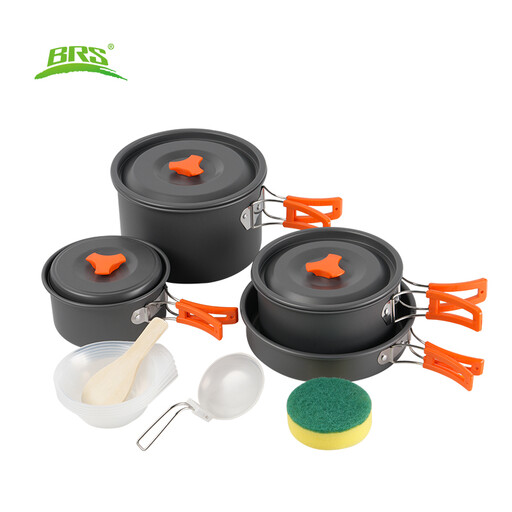
Why it’s a good fit: A practical camping cookware set for couples, small families and new campers looking for several cooking functions in one package.
According to the product description, the components can be stacked together. The folding silicone handles reduce loose protruding parts during transport.
Set for 2–5 people, with pans for boiling, frying and stewing. The heat-exchange ring is a specific base feature listed in the product information.
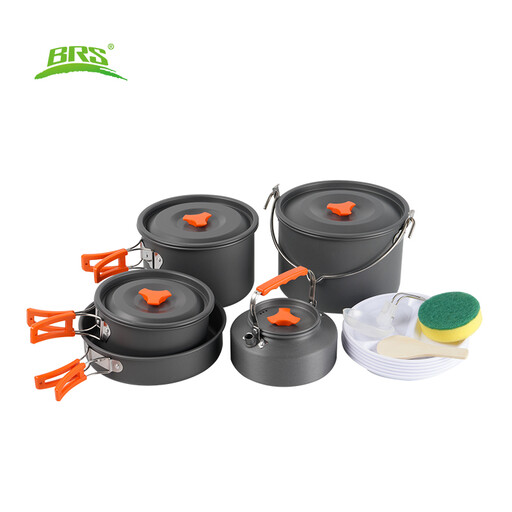
Why it’s a good fit: Suitable for road trippers, families and groups who want to prepare different dishes at the same time or one after another.
The capacities are clearly stated, making it less likely that you will mistake a small set for a complete cooking solution for several people.
Five components, including a 4.2-litre pan and a 1.3-litre pan. According to the description, the set is suitable for frying, stir-frying, boiling and stewing.
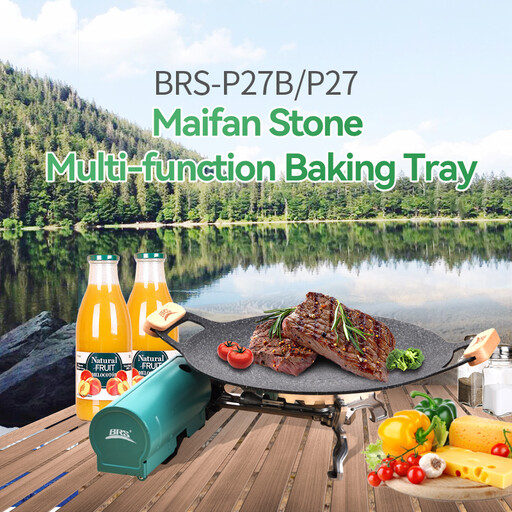
Why it’s a good fit: Ideal for barbecue evenings, festival campsites and families who want to grill meat, vegetables or other ingredients outdoors.
The 34 cm diameter gives you a clear idea of the available cooking space. This allows you to judge in advance whether the pan is suitable for your cooking area and group size.
According to the product description, the pan is designed for camping burners, portable gas burners and campfires. The model has a wooden handle and non-slip ring.
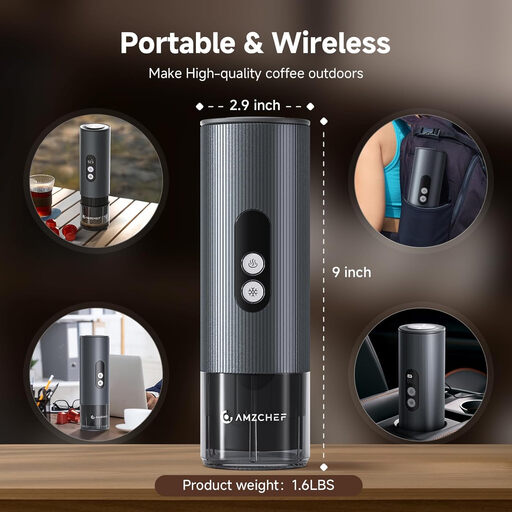
Why it’s a good fit: Handy for road trips, motorhome holidays and picnics when you want to make coffee without a permanent kitchen.
The product specifications state a maximum water tank capacity of 80 ml and a 9,000 mAh battery. This helps you estimate the number of cups and charging requirements more realistically.
According to the product information, it supports NS capsules and ground coffee. The appliance has a stated power output of 150 watts and a 5V/2A USB input.
Allow pans and grill plates to cool completely before cleaning them. For aluminium and non-stick surfaces, use a soft sponge and mild washing-up liquid. Dry everything thoroughly before nesting the components for storage.
When using an open fire or camping stove:
For electric cooking at the campsite, a ceramic hot plate or compact electric cooking pot may be worth considering. Do pay attention to the available wattage and the campsite’s rules.
Browse a current selection of camping kitchens, cookware sets and portable cooking solutions. Compare capacity, material, dimensions and suitable heat sources before placing your order.
A compact cookware set with a pan of around 1 to 2 litres, a lid and possibly a small pan is usually practical. Choose a larger set if you want to prepare several dishes or store leftovers.
No. Check the product information for compatibility with gas burners, electric hobs, induction or open fires. An aluminium camping cookware set, for example, is not automatically suitable for induction.
Its lifespan depends on the material, heat, transport and maintenance. Avoid overheating, metal utensils and abrasive cleaning products if the product has a non-stick coating. Check pans regularly for cracks, deep scratches or warping, and replace damaged components.
