
Vandaag of morgen in huis

Kwaliteit gegarandeerd

Welkomstaanbiedingen ontgrendelen: GRATIS bezorging | Tot 80% korting | Gratis 30 dagen JoyPlus-proefperiode
Download de app
A pot that’s too heavy for your rucksack, a handle that gets hot or a cookset that’s hard to clean after a single meal: with the wrong camping cookware you’ll spend more time improvising than cooking. Marketing terms such as “multifunctional”, “quick heat-up” and “non-stick” sound attractive, but only mean something once you’ve checked the specifications.
For campers, backpackers, hikers, caravanners and road-trippers, three pitfalls matter most:
Choose capacity based on the number of people and the type of meals you cook. For one or two people, a small camping cooking pot or pan of around 1 to 2 litres may be enough. For group meals, multiple pans are more practical than one very large pot.
Also look at the packed dimensions. A camping pan set with a nested design takes up less space because the parts fit inside each other. That’s especially useful when backpacking and travelling with limited luggage space. A set with different sizes lets you boil, fry, stew and boil water without having to bring several separate items.
Aluminium is popular for lightweight cookware because it’s relatively light and conducts heat quickly. Hard-anodised aluminium can, according to the product description, offer extra resistance to corrosion and high temperatures. A heat-exchanger ring on the base can support heat transfer, but actual fuel consumption also depends on wind, flame strength, use of a lid and cooking time.
Check the handles carefully. Fold-down silicone handles save space, while wooden handles can feel pleasant on a griddle pan. This doesn’t mean the handle will always stay cool: metal parts and attachment points can get hot. Use an oven glove where needed and never touch a hot pan directly.
Before buying, check whether the cookware suits your heat source:
Electric products demand extra attention. Look at the power in watts, the available power supply and the instructions for outdoor use. A 2,000-watt appliance can overload a limited campsite circuit more quickly than a small model. Also check the plug, cable length, auto shut-off and overheat protection.
Always use cookware on a stable, level, heat-resistant surface. Keep flammable materials away and let pans cool completely before cleaning or packing. Products with an EU responsible person listing are no reason to skip the safety instructions; also check the latest product information and user manual.
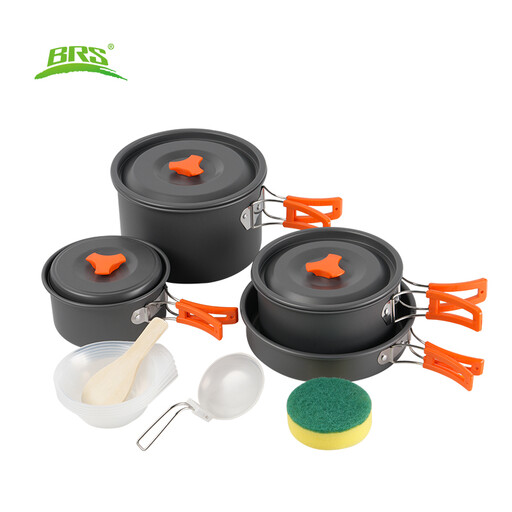
Why it suits this profile: According to the product specifications, this camping cookset is intended for 2–5 people and includes a large and a medium pot, a small pot and a pan. The pieces nest together for storage.
The capacity and included pieces are clearly described, so you’re less likely to buy a single pan that’s too small for multiple people.
Hard-anodised aluminium, foldable silicone handles and, according to the product description, a heat-exchanger ring.
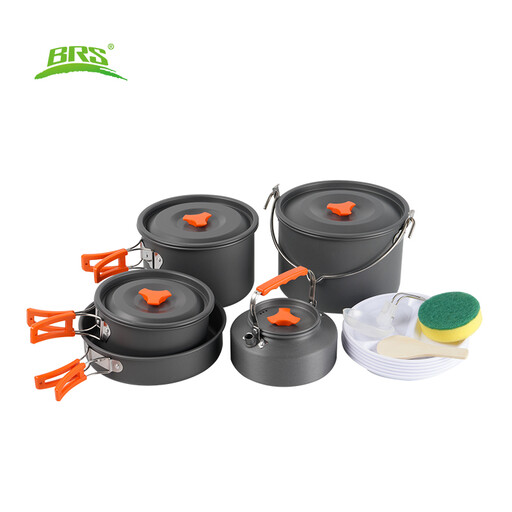
Why it suits this profile: The set includes multiple pots with capacities from 1.3 to 4.2 litres, making it aimed at group meals while camping, on road trips and at picnics.
The different sizes mean you won’t need to take a separate camping pan for every dish.
Specially treated aluminium, fast and even heat distribution according to the product description, and a nested design.
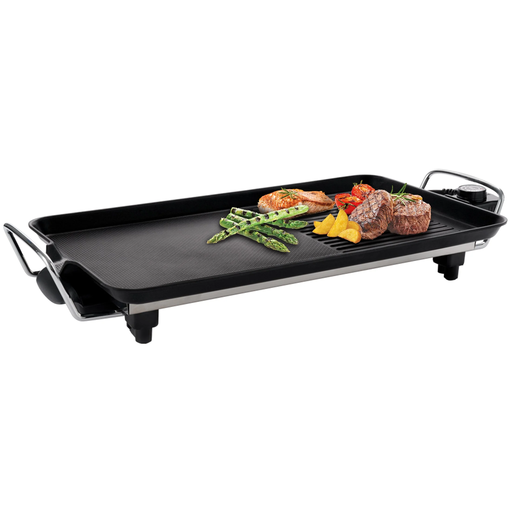
Why it suits this profile: This electric griddle is aimed at caravanners, holiday homes and campers with a suitable power connection. The plate combines a smooth and a ridged cooking area.
The 1360 W power, five heat settings and dimensions of 48 × 20 cm are stated clearly, so you can gauge power needs and workspace in advance.
Smooth and ridged aluminium zones, a removable thermostat and fat drainage, according to the product specifications.
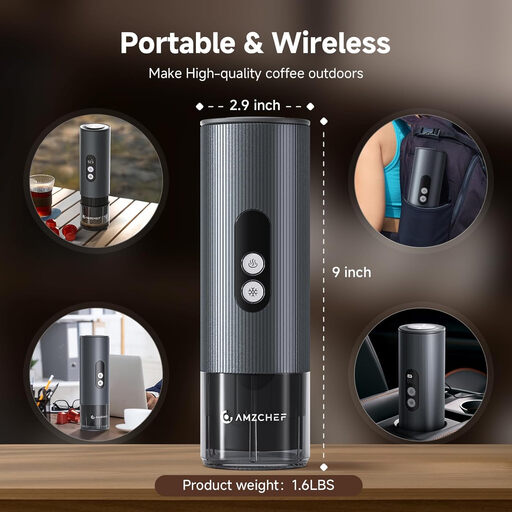
Why it suits this profile: This portable espresso maker is designed for camping, hiking, travel and in-car use. According to the product information, the device works with NS capsules and ground coffee.
The maximum water capacity of 80 ml and the 9000 mAh battery are clear up front. Do check how many servings you actually need and when you’ll be able to recharge.
Two coffee systems, a built-in battery and a compact size of 7.3 × 7.3 × 23 cm, according to the product specifications.
We’ve put together a complete, up-to-date list of products that fully meet these strict selection criteria and current European safety regulations.
Alongside a camping cookset, a few accessories can make cooking easier:
A camping barbecue or camping griddle pan is especially suitable if you want to grill. Check the diameter, weight and stability on your burner. A 34 cm griddle offers plenty of cooking surface, but takes up more space than a compact pan. When using over open fire, pay extra attention to heat, smoke and stable placement.
Choose a pan or set where the product information states compatibility with a camping stove or portable gas burner. Also check the pan’s diameter against your stove. A pan that’s too large can be unstable; one that’s too small can distribute heat unevenly.
Let the cookware cool completely first. Then use warm water, a soft sponge and, if needed, mild soap. With a non-stick coating or, according to the product description, a non-stick surface, metal spatulas and abrasive products are less suitable. Dry everything thoroughly before nesting the set for storage.
That depends on electricity prices, the wattage and the available connection. An electric plate doesn’t need a gas bottle, but a 2,000 W model does require a suitable power supply. For backpacking, gas is usually more practical; for a caravan, motorhome or fixed pitch, a portable hotplate can be handier. So don’t just look at the purchase price; consider the energy source, duration of use and transport size too.
