Joybuy Insights

Buying a Camping Chair? Avoid These 3 Common Mistakes

A good camping chair is essential. Whether you're at a campsite, visiting a festival, going fishing, or simply relaxing in the garden, the right chair makes all the difference. But the market is flooded with models that make big promises. Unfortunately, marketing buzzwords often lead to a bad purchase: a chair that sags after one season, is uncomfortable, or is cumbersome to use. As a Joybuy Product Recommendation Officer, I help you make the right choices based on facts, not advertising. Let's look at the three most common pitfalls.

  1. The "High" Weight Capacity Trap: Many chairs advertise an impressive weight capacity, such as 150 kg. In practice, the construction is often the weak point. Thin tubes, weak hinges, or poorly stitched fabric can cause the chair to become unstable even with normal use. The number itself means little without a sturdy design.
  2. The Myth of Universal Comfort: A "comfortable camping chair" is a subjective concept. A low, lightweight chair is ideal for a backpacker but a disaster for someone who has difficulty standing up. A chair without good back or neck support becomes a source of irritation after an hour. Comfort depends entirely on your use case and body type.
  3. Underestimating the Details: A cup holder seems like a nice extra, but if it's too small for your water bottle, it's useless. Soft armrests offer no support when standing up. And a folding mechanism that jams or is complicated will cause frustration every time you set it up and pack it away.

What to Really Look For in a Camping Chair

To avoid buyer's remorse, focus on the specifications that truly matter. These are the three most important points of attention.

1. Frame Construction and Material

The frame is the skeleton of your chair. Its stability and lifespan depend directly on it.

  • Steel: A steel frame is generally heavier but often offers more sturdiness and a higher weight capacity. This is a good choice for a heavy-duty camping chair that you'll primarily use at the campsite or in the garden and won't need to carry far. Pay attention to the thickness of the tubes and the quality of the welds.
  • Aluminium: Aluminium frames are significantly lighter and rust-resistant. This makes them perfect for a lightweight camping chair to take to a festival or on a hiking trip. Here, strength comes mainly from the design of the construction, such as a cross-braced frame.

The weight capacity is an indicator, but look primarily at the overall construction. A chair with a reinforced frame and stable legs is more reliable than a model that just puts a high number on the packaging.

2. The Seat: Fabric, Shape, and Height

The seating area determines your immediate comfort.

  • Backrest: For prolonged sitting, a high-back camping chair is essential. It provides support for your shoulders and neck, which is especially pleasant when reading a book or relaxing by the water. A fishing chair often has this as a standard feature.
  • Fabric: Most chairs use 600D Oxford fabric, a strong and durable polyester. For warm weather, a chair with mesh panels in the back is recommended. This provides ventilation and prevents a sweaty back. Padded seats offer extra comfort but make the chair heavier and bulkier.
  • Seat Height and Width: A higher seat makes it easier to stand up, which is an advantage for seniors or people with back problems. A wider seat provides more freedom of movement.

3. Portability: Weight and Pack Size

A folding camping chair is the norm, but the differences in portability are significant.

  • Weight: An ultralight chair can weigh less than 1 kg, while a robust, comfortable chair can easily weigh 5 to 6 kg. Consider how far you need to carry the chair. For the car boot, weight is less important; for a festival chair that you carry all day, it's crucial.
  • Pack Size: How compact is the chair when folded? Does it fit easily into the included carry bag and in the car boot next to other camping gear? A compact foldable garden chair is also handy for storage in a shed or on a balcony.

Our Recommended Product Picks

Below is a selection of camping chairs that suit different user profiles. We've linked them to the pitfalls mentioned earlier to show how they offer a practical solution.
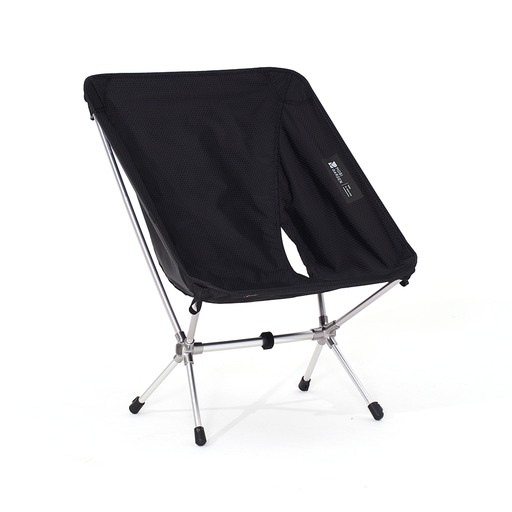
MATCH FOR: The Gram Counter
Mobi Garden, Ultra-Light Moon Chair, Aluminum Alloy Folding Camping Chair

Mobi Garden, Ultra-Light Moon Chair, Aluminum Alloy Folding Camping Chair

Why This Fits Their Persona: Perfect for backpackers, bike campers, and festival-goers for whom every gram counts. This chair is designed with one goal in mind: maximum portability.

How It Avoids the Trap

This chair sidesteps the comfort myth (pitfall 2) by not pretending to be a luxury lounge chair. The focus is purely on providing a place to sit with minimal weight and pack size.

Key Advantage & Pros

Extremely lightweight: Weighing approximately 765 grams, you'll barely notice you're carrying it. Compact: When folded, it's only 36 cm long.

MATCH FOR: The Comfort Seeker
EVER ADVANCED 351 Camping chair

EVER ADVANCED 351 Camping chair

Why This Fits Their Persona: Ideal for the camper or garden enthusiast who prioritises seating comfort for extended periods. Weight is a secondary concern here.

How It Avoids the Trap

This chair makes the "comfortable" claim tangible with an extra-high backrest (approx. 70 cm) and 6 cm thick padding. These are objective features, not vague promises (pitfall 2).

Key Advantage & Pros

Full support: The high backrest supports the head, neck, and back. Padded seat: The thick padding ensures a soft seat, even after several hours.

MATCH FOR: The Heavy-Duty User
EVER ADVANCED 143 Camping chair

EVER ADVANCED 143 Camping chair

Why This Fits Their Persona: Designed for those seeking maximum sturdiness and space. Ideal for heavier individuals or anyone who appreciates an extra-stable chair with a spacious seat.

How It Avoids the Trap

This chair tackles the misleading weight capacity trap (pitfall 1) with a reinforced steel frame and a specified capacity of up to 230 kg. The hard armrests are a functional detail (pitfall 3) that genuinely helps with standing up.

Key Advantage & Pros

Very high weight capacity: Suitable for up to 230 kg. Stable armrests: Hard armrests provide excellent support when sitting down and standing up.

Looking for More Options?

We have compiled a complete, real-time list of products that fully satisfy these strict selection criteria and UK safety regulations.

Frequently Asked Questions

How do I clean a camping chair?

Most camping chairs are best cleaned with a damp cloth and, if necessary, a mild soap solution. Do not submerge the chair in water or use a washing machine, as this can damage the coating on the frame and fabric. Always let the chair air dry completely before storing it to prevent mould and rust.

What is the difference between a camping chair and a fishing chair?

Although the terms are sometimes used interchangeably, there are differences. A typical fishing chair is often built for extremely long sitting sessions and sometimes has extra features like adjustable legs for uneven ground or rod holders. A general camping chair focuses more on a balance between comfort, weight, and how compactly it folds for transport.

How important is the frame material?

The material is crucial for the balance between weight and sturdiness.

  • Steel is heavier but often stronger and less expensive. It's an excellent choice for a heavy-duty camping chair that you don't need to carry far.
  • Aluminium is significantly lighter and does not rust. This is the preferred choice for a lightweight camping chair that you take on hiking or cycling trips. However, the final stability depends just as much on the thickness of the tubes and the design of the joints.