
Campers keeping an eye on fibre
If you often eat bread for breakfast or lunch, you can compare white and wholemeal bread by their product descriptions and fibre content. The Netherlands Nutrition Centre highlights the fibre in wholemeal bread.


If you’re mainly looking to increase your fibre intake while camping, choose bread labelled wholemeal and compare the nutritional information. White bread may suit your travel companions’ preferences. Whichever type you choose, work out how much you’ll need, how you’ll store it and whether you can keep perishable fillings cool enough. Part-baked bread is only practical if you can prepare it according to the instructions on the packaging.
If you often eat bread for breakfast or lunch, you can compare white and wholemeal bread by their product descriptions and fibre content. The Netherlands Nutrition Centre highlights the fibre in wholemeal bread.
For a multi-day trip, consider how much bread you’ll need, where you’ll store it and how you’ll keep perishable fillings cool. The Netherlands Nutrition Centre notes that camping often means more limited kitchen facilities.
Different preferences and the cooking equipment available will determine whether ready-to-eat bread or part-baked bread is more convenient. Check the ingredients and allergen information on each pack, too.
First, decide which type of bread will work with your meals. Then choose an amount and storage option that will suit your camping trip.
Choose it if: you want bread for breakfast or lunch with a focus on fibre.
Bear in mind: wholemeal bread still needs to be portioned and stored appropriately, so check the packaging for guidance.
Choose it if: your travel companions specifically want white bread for a particular meal.
Bear in mind: white bread is not a substitute for bread specifically labelled wholemeal.
Choose it if: you have the equipment and power at your campsite required by the cooking instructions.
Bear in mind: if you don’t have suitable cooking facilities, ready-to-eat bread is a better choice.
| What to consider | What to check when buying | Who it matters to |
|---|---|---|
| Fibre | Look for the wholemeal label and compare the fibre content per 100 g in the nutritional information. | If bread is on the menu every day, I want to make an informed choice between white and wholemeal. This fibre-focused choice is a priority for around 42% of consumers. |
| Storage and portions | Match the amount to the number of people eating and the length of your trip; check the date and storage advice on the packaging. | With limited storage space, I don’t want to bring more bread than we can eat in time. This is the main concern for around 33% of consumers. |
| Preparation and group needs | For part-baked bread, check the cooking instructions and read the allergen information for everyone who’ll be eating it. | If I’m cooking for a group, the bread needs to suit our equipment and be suitable for everyone to eat. Around 25% of consumers prioritise this practical consideration. |
The colour or visible seeds don’t tell you whether bread is wholemeal.
Check the product description and, if you like, compare the fibre content per 100 g in the nutritional information.
A small group of campers may not get through a large, fresh loaf before its quality starts to deteriorate.
Choose an appropriate amount or freeze portions before you leave, if you can. During your trip, follow the storage advice on the packaging.
ALDI describes part-baked rolls that need an oven or air fryer; they aren’t ready to serve as they are.
Check the instructions on your pack and make sure you have the equipment and power you’ll need at the campsite.
The Netherlands Nutrition Centre says that more limited kitchen facilities at campsites can increase the risk of food poisoning. Perishable fillings therefore need special care.
Plan how you’ll keep them cool enough, or choose products that can be stored without refrigeration according to their packaging.
These chains offer a range of different breads. Before you shop, check which options are available at your local store.
Jumbo offers fine, coarse and half wholemeal loaves, among other options.
PLUS offers several wholemeal options, including tiger and hearth-baked loaves.
Lidl offers white, brown, multigrain and wholemeal bread, and uses fibre categories for its bread.
ALDI offers white and wholemeal bread, as well as part-baked rolls.
Dirk offers white and wholemeal bread, as well as rolls.
These bread options are suited to choosing wholemeal wheat bread or rye bread for a camping trip. The frozen option also needs to be kept frozen and cooked in a suitable oven.
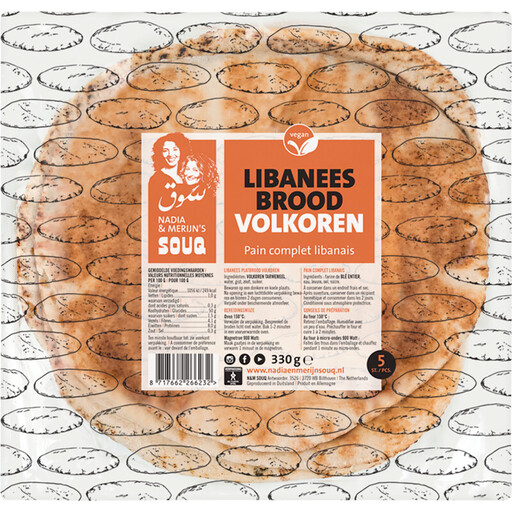 Image unavailable
An option for planning individual portions of bread for camping meals without needing baking equipment. Before you leave, check the date and, once opened, follow the storage advice on the packaging.
 Image unavailable
The nine pieces can help you plan bread portions for a group. Before buying, check the date, storage instructions and serving guidance on the packaging.
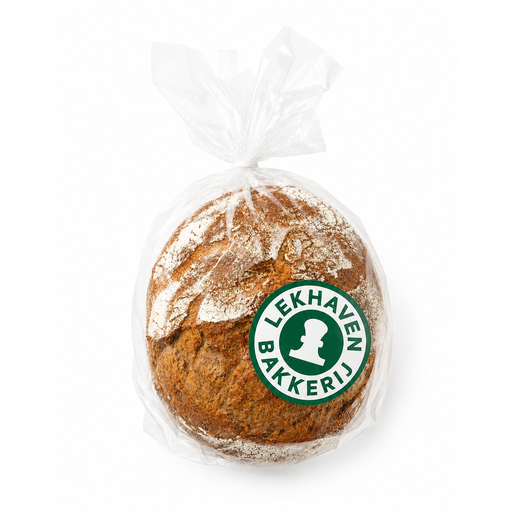 Image unavailable
This 550 g loaf is only suitable for a trip if you can transport and store it frozen, then thaw and bake it afterwards. Follow the packaging for the baking time.
Not if the amount, storage or preparation method doesn’t suit your trip. If fibre is your main reason for choosing a type of bread, look for bread labelled wholemeal and compare the nutritional information.
The Netherlands Nutrition Centre says opened wholemeal bread keeps for 2 to 4 days in a kitchen cupboard and 1 to 3 months in the freezer. Check the packaging and take into account the conditions in which you’ll store the bread at the campsite.
Only plan to bring fillings that you can keep cool enough according to their storage instructions. The Netherlands Nutrition Centre points out that more limited kitchen facilities at a campsite call for extra care with food safety. Alternatively, choose fillings that can be stored without refrigeration according to the packaging.
Read the allergen information for the specific type of bread. The Netherlands Nutrition Centre lists wheat, rye, barley and oats as gluten-containing cereals. Also check the packaging for any other allergens relevant to your travel companions.