
Fibre-conscious campers
You want to be able to check on the label whether a rye product is wholemeal and how much fibre it contains per 100 g, rather than judging by its dark colour.


If you want to take soft wholemeal rye bread camping, check that it is labelled wholemeal, compare the nutritional information and, above all, read the storage instructions for after opening. PLUS says Bolletje Fries rye bread should be sealed and kept in the fridge once opened. If you can’t rely on having a fridge, crispbread that can be stored in a dry place may be more practical, but it is a different type of product. Rye contains gluten.
You want to be able to check on the label whether a rye product is wholemeal and how much fibre it contains per 100 g, rather than judging by its dark colour.
You need to follow the storage instructions once the product is open. Crispbread that can be stored in a dry place may have different instructions from soft rye bread.
You want to check which grains a product contains and what the packaging says about gluten, salt and, if relevant, iodised salt before you buy.
Choose this when: You want rye bread for lunch and can follow the storage instructions once it is open.
Things to consider: PLUS says Bolletje Fries rye bread should be sealed and kept in the fridge once opened.
Choose this when: You’re looking for a crisp rye product whose packaging says to store it in a dry place.
Things to consider: Crispbread has a different texture from soft rye bread, so check its ingredients too.
When planning your camping shop, first decide between soft rye bread and a dry rye product. Then compare the labels of products that suit your storage options.
| What to consider | What to check before buying | Who it matters to |
|---|---|---|
| Wholegrain and fibre | Look for the wholemeal label and compare the fibre per 100 g in the nutritional information. | For lunch, I want to be able to tell whether a product is wholemeal without relying on its colour; around 50% of consumers say wholegrains and fibre are a priority. |
| Storage at the campsite | Read the instructions for after opening and check whether refrigeration is needed. | If I can’t rely on being able to keep it cold, I need to know how to store the product once it is open; around 30% of consumers put ease of storage first. |
| Ingredients and salt | Check which grains it contains and compare the salt per 100 g; if you’re interested in iodine, look for a mention of iodised salt. | I want to check the grains and salt on the label before buying, for example because gluten is a consideration for my household; around 20% of consumers prioritise checking the label. |
The colour doesn’t tell you which grains have been used. PLUS describes one Brood van Soma variety as rye and wheat bread, while it lists Bolletje Fries rye bread as wholemeal rye bread.
Look for the wholemeal label and read the ingredients for the specific product.
PLUS says Bolletje Fries rye bread should be sealed and kept in the fridge once opened. This is an important limitation on a multi-day trip without refrigeration.
Check the instructions before you set off and, if necessary, choose a dry product with storage instructions that suit your needs.
Otherwise, you may end up with an open pack you can’t use.
The fibre content doesn’t tell you how much salt a rye product contains.
Compare the salt per 100 g on the packaging of the products you’re considering.
The Netherlands Food and Consumer Product Safety Authority describes baker’s salt as a possible source of iodine compounds in bread. This doesn’t confirm which type of salt is used in any particular rye bread.
Check the product’s ingredients list for a mention of iodised salt.
Albert Heijn has an online category for rye bread.
Jumbo features different rye bread varieties in its online range.
Lidl lists a rye bread in both wholemeal and Westphalian varieties.
As well as rye bread, ALDI lists crispbread and rye crackers.
PLUS lists both Fries rye bread and mixed rye varieties.
Dirk lists Van Dijk’s Roggebrood Fries and Bolletje Roggebrood among its bread products.
These products offer two options for camping meals: soft rye bread and crisp rye products. Check each pack for instructions on how to store the product once opened.
 Image unavailable
A rye bread option for a camping lunch if you want to take soft bread with you. The pack contains 9 pieces; check the storage instructions for after opening.
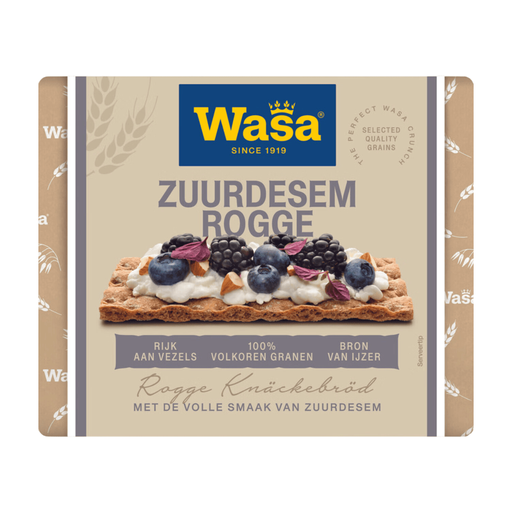 Image unavailable
A crisp rye option if you’d rather take crackers than soft rye bread. The pack contains 235 g; check the storage instructions and ingredients.
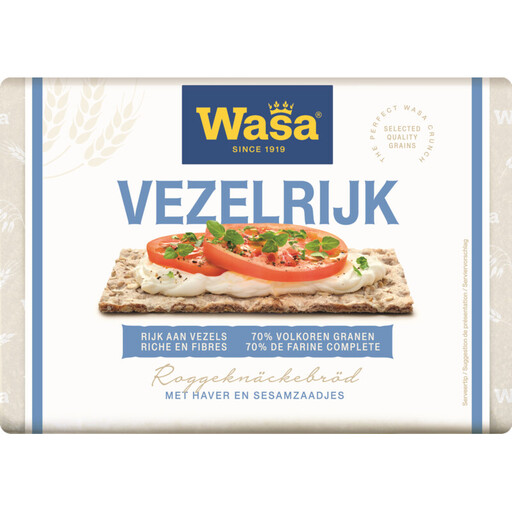 Image unavailable
A cracker option for campers looking for something crisp. The pack contains 300 g; compare the nutritional information per 100 g and read the ingredients.
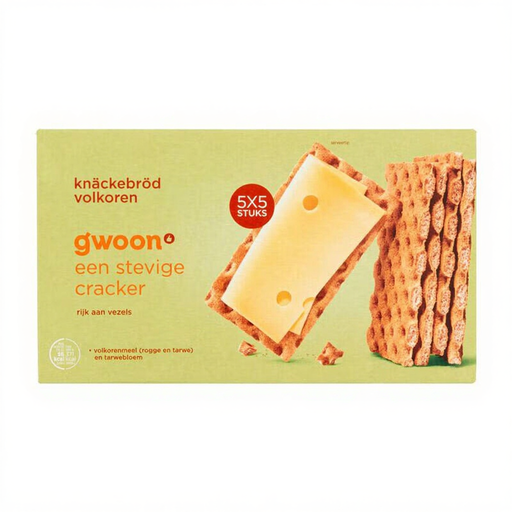 Image unavailable
A crispbread option if you want something crunchy for camping meals. The pack contains 375 g; check the grains and storage instructions on the label.
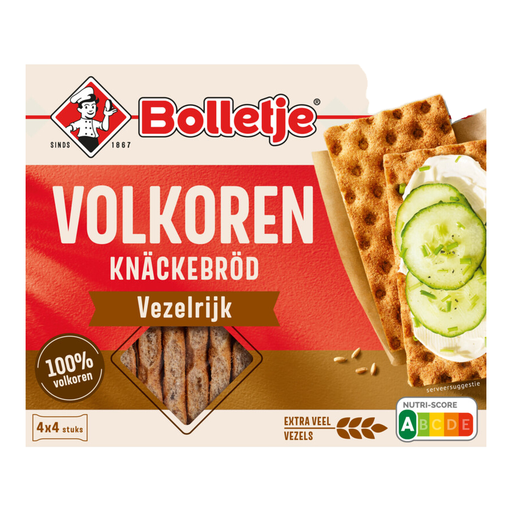 Image unavailable
A crispbread option if you’re not looking for soft rye bread. The pack contains 265 g; check the ingredients, nutritional information and instructions for after opening.
Look for the word ‘wholemeal’ on the label and check which grains are listed in the ingredients. According to the Netherlands Nutrition Centre, packaged wholemeal bread must be labelled as wholemeal; a dark colour or the name rye bread alone doesn’t tell you whether it is wholemeal.
That depends on the storage instructions for the product you choose, especially once it is open. PLUS says Bolletje Fries rye bread should be sealed and kept in the fridge once opened. If you can’t rely on having a fridge, consider a dry rye product whose packaging gives storage instructions that suit your needs.
No. According to the Netherlands Nutrition Centre, rye contains gluten. Rye bread is therefore not a gluten-free option; if you choose an alternative, always check the label and ingredients on the packaging.
Don’t assume it does: ingredients vary from product to product. The Netherlands Food and Consumer Product Safety Authority describes baker’s salt as a possible source of iodine compounds in bread, but this doesn’t confirm which type of salt is used in your rye bread. Check the ingredients list to find out.