
Flower detail enthusiast
You want to photograph small flowers and their delicate shapes up close. Compare the camera’s magnification or close-up mode with the lens you’ll actually be taking with you.


Choose a rugged compact camera if you want to photograph small flowers up close without changing lenses, and a sealed body matters to you. A mirrorless camera gives you more lens options, but check the magnification, weight and weather protection of the complete setup; body specifications don’t automatically tell you anything about the lens.
You want to photograph small flowers and their delicate shapes up close. Compare the camera’s magnification or close-up mode with the lens you’ll actually be taking with you.
You want to be able to take photos even in wet or sandy conditions. So check the protection offered by the complete camera setup, not just the name or specifications of the body.
You want to capture landscapes or distant subjects as well as flowers. Weigh up the zoom or lens options against the weight of everything you’ll be carrying on your walk.
First decide which need matters most for your walk; the percentages below relate to those individual top priorities.
| Consideration | What to look for | Who is this important for? |
|---|---|---|
| Small flowers up close | Check the magnification factor or the conditions for using the close-up mode on the exact model and supplied lens. | If capturing fine flower details is your main goal, you’ll want to know how large the subject will actually appear in the frame. Consumers who prioritise magnification account for around 36% of this breakdown. |
| Protection from coastal weather | Check the protection specifications and usage instructions for both the body and the lens. | If you want to keep taking photos on a wet or sandy route, protection for the whole setup matters. Consumers who put protection first account for around 29%. |
| Weight of the complete kit | Compare the body, lens and other essentials on the same weight basis. | If you’ll be carrying the camera throughout your walk, you’ll want to know in advance how much the complete setup weighs. Consumers who prioritise ease of carrying account for around 21%. |
| Flowers and other subjects | Decide what other subjects you’ll photograph, and assess zoom, lens mount and close-up capability separately. | If you want to capture landscapes or distant subjects as well as flowers, consider both your framing options and the weight you’ll be carrying. Consumers who put versatility first account for around 14%. |
Magnification varies from lens to lens. Canon lists a maximum magnification of 0.16× with autofocus for the RF-S 18-45mm, while the separate RF 24mm F1.8 MACRO IS STM achieves 0.5×.
Check the magnification of the lens actually supplied with the camera before relying on the name of a body or kit.
OM SYSTEM gives the OM-5 Mark II body an IP53 rating. Canon states that the RF-S 18-45mm lens is not dust- and moisture-resistant, so protection for the body doesn’t automatically tell you anything about the lens.
Check the body and the exact lens separately, and don’t treat a protection rating as a guarantee against damage.
The stated weight of a mirrorless camera body doesn’t automatically include the lens. Nikon lists the COOLPIX P1100 at around 1.4 kg; that’s a different carrying consideration from comparing the weight of a body alone.
Compare what you’ll actually be taking with you, and assess zoom range and flower magnification as separate features.
The Tough TG-7 is a rugged compact camera; the OM-5 Mark II is a mirrorless camera body with interchangeable lenses.
The WG-8 is a rugged compact camera with a digital microscope mode.
The EOS R50 is a mirrorless camera body with an RF mount; your choice of RF or RF-S lens also affects its close-up capabilities.
The RX100 VII is a compact camera with a fixed zoom lens, giving you different framing options without changing lenses.
The COOLPIX P1100 is a superzoom camera for anyone who wants to photograph distant subjects as well as flowers.
These product picks focus on compact zoom cameras for anyone who wants to frame other subjects as well as flowers. The stated zoom doesn’t confirm a specific macro mode or protection from coastal weather.
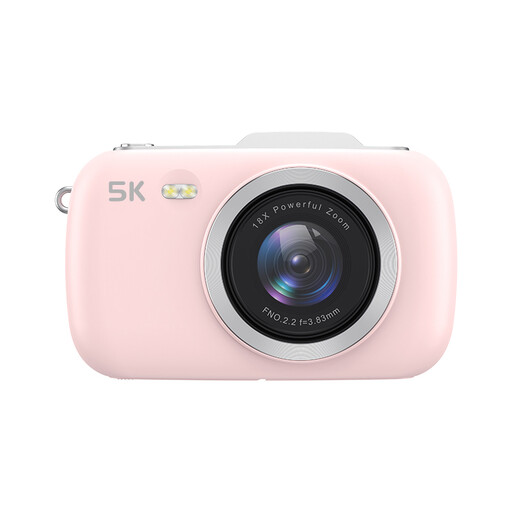 No image available
Could be a good fit if you want to frame other subjects as well as flowers on your walk; the product title lists 18X zoom.
The product title also lists 80MP and 5K. According to the title, an SD card is not included. The product warning advises avoiding exposure to water and moisture.
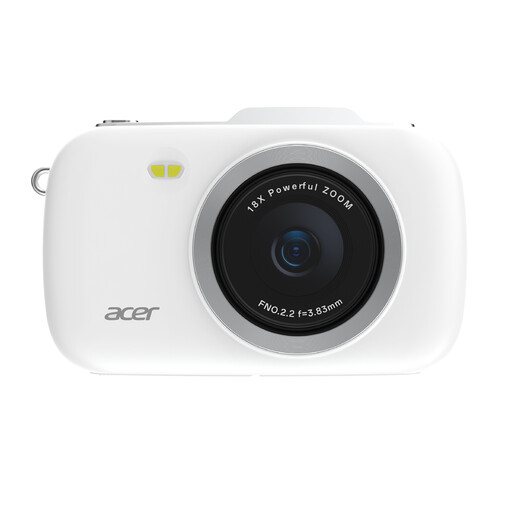 No image available
Could be a good fit if you’re looking for a compact zoom camera to frame a range of subjects as well as flowers; the product title lists 18X zoom.
The product title also lists 80MP and 4K. The product warning advises avoiding use in damp conditions and contact with liquids.
Not by itself. Also check the magnification and the conditions in which the camera can focus. For example, Canon lists different maximum magnifications for the RF-S 18-45mm kit lens and the RF 24mm MACRO lens.
Follow the care instructions for the exact model. For the TG-7, OM SYSTEM says that after underwater use you should soak the closed camera in fresh water for about 10 minutes, then leave it to dry in the shade. Don’t apply this instruction to another camera without checking.
That depends on the rules for the area you’re visiting. Staatsbosbeheer generally allows walking in the Schoorl Dunes only on official paths, with specified exceptions. Natuurmonumenten asks visitors to check local signs and prohibits picking wild plants in its areas. Check the rules for your own route; this is not a general statement about all Dutch dunes.
No. According to the Dutch Government, if a product is faulty, the seller must provide a solution. The Netherlands has no fixed statutory guarantee period that applies to all products; what you can expect depends, among other things, on the product and the information provided. Damage caused by your own misuse isn’t automatically covered by free repairs.