
Miniature painter capturing paintwork details
You want to make tiny faces, weapons or brushstrokes fill the frame. So compare the magnification of the exact lens, not just the camera body.


If you want to take close-ups without changing lenses, look for a compact camera with a suitable close-up mode. If you’d rather choose your own lenses later, compare a mirrorless camera with the exact kit lens or a separate macro lens. Check that you can frame the whole figure, how much room there is in front of the lens for lighting, and how you’ll keep the camera steady. A short focusing distance or high magnification doesn’t automatically mean the whole soldier will be in focus.
You want to make tiny faces, weapons or brushstrokes fill the frame. So compare the magnification of the exact lens, not just the camera body.
You want to capture one or more soldiers clearly. As well as close focusing, consider framing, a stable setup and the depth of field you need.
You want to take close-ups without a large setup. Bear in mind how much room the camera, lighting and supports will take up in and around the figure.
First decide whether you mainly want to photograph tiny paintwork details or whole figures. Then check that the lens, lighting and support will fit on your table.
| What to consider | What to look for | Who it matters to |
|---|---|---|
| Magnification and working distance | Compare both the maximum magnification and the space between the lens and subject for the exact lens. | If I want tiny paintwork details to fill the frame, I look beyond the camera alone. Around 33% of consumers prioritise fine details. |
| Sharpness across the whole figure | Consider whether one shot will be enough and whether a stable setup or multiple focus shots will suit the way you work. | If I want a whole figure to look sharp, I weigh that against capturing the smallest details. Around 25% of consumers prioritise sharpness across the whole figure. |
| Room for the camera and lighting | Measure the space for the figure, lens, support and lighting; focusing distance and working distance are not the same. | On a small table, I want to be able to position the lighting without it getting in the way of my composition. Around 25% of consumers make setup space their top priority. |
| Complete setup required | Check what’s in the box and, if needed, factor in a suitable lens, lighting and support. | If I need a complete setup, I compare the components that will make the photos I want possible. Around 17% of consumers prioritise the cost of the required combination. |
Being able to focus up close doesn’t automatically mean you can frame a whole soldier well or leave enough room for lighting.
Try taking both a shot of the whole figure and a close-up detail, from a position that still leaves room to place your lighting.
The Canon EOS R50 kit reviewed here includes the RF-S 18-45mm zoom lens. The RF 35mm F1.8 Macro is a separate product.
Read the box contents and compare the magnification of the lens actually included in the offer.
You may need a different lens if the kit lens doesn’t offer the magnification you want for your details.
When shooting close up, only part of a figure may be in focus. Using multiple focus points also requires extra shots and may involve post-processing.
Decide whether you want one selectively sharp detail or sharpness across a larger part of the figure, then choose your shooting method accordingly.
Taking and combining multiple shots can take extra time; you may also need a stable support.
The Tough TG-7 is a compact camera with a fixed lens and a close-up mode.
The EOS R50 is worth considering as a mirrorless camera supplied with a zoom lens; a macro lens is a separate choice.
The Z50II body and NIKKOR Z MC 50mm f/2.8 are separate items to compare.
A camera with an E-mount can be paired with the separate E 30mm F3.5 Macro.
Below are some compact camera options relevant to this topic. Before buying, check that the exact camera can focus close enough for your figures and that your setup will fit on your table.
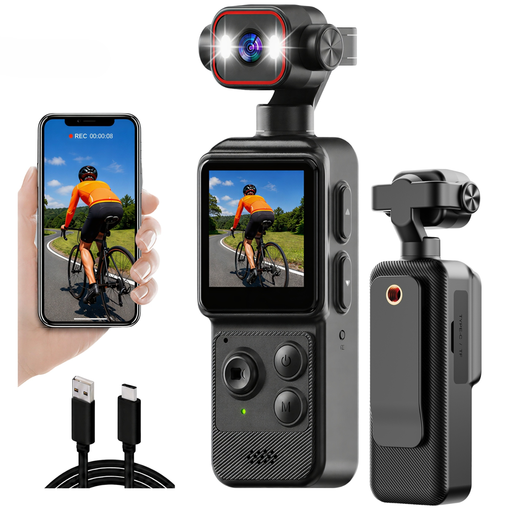 No image available
The product information lists photo capture and two built-in LED lights; check that the camera can focus close enough for your figures.
4K; 140° wide-angle lens; 1.54-inch display; 1200 mAh battery.
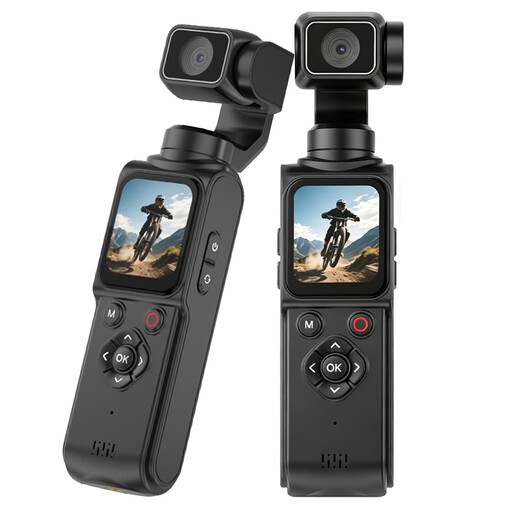 No image available
The product information lists a mini tripod and photo capture; check separately whether the camera can take the close-ups you want.
64 MP; 330° rotating lens; 1.72-inch touchscreen; mini tripod.
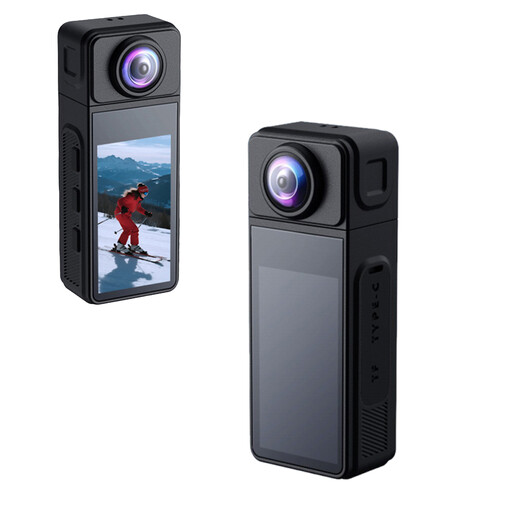 No image available
The product information lists a photo mode and tripod thread; check that the camera can focus close enough for miniatures.
2K; 270° rotating wide-angle lens; 1/4-inch tripod thread.
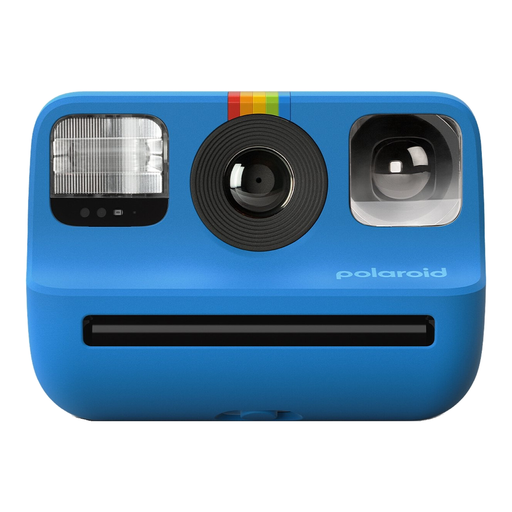 No image available
This compact instant camera uses Polaroid Go film. Check whether printing photos straight away suits the way you like to take pictures.
Built-in flash; self-timer; rechargeable battery.
 No image available
The product information mentions focusing for still images. Check whether the camera can also focus at the close range your figures require.
1-inch CMOS sensor; rotating touchscreen; fast focusing.
No. Sony gives a minimum focusing distance of 9.5 cm for the E 30mm F3.5 Macro, and a minimum working distance of 2.4 cm between the front of the lens and the subject. Pay particular attention to the working distance if you want to position lighting next to the figure.
Start with a stable setup and see whether one shot gives you enough depth of field. You can also take several shots at different focus points and combine them; Canon lists focus bracketing for the EOS R50.
No. The kit reviewed here includes the RF-S 18-45mm zoom lens; the RF 35mm F1.8 Macro is a separate product. Always check which lens is actually included in the box when comparing offers.
For distance purchases, you generally have a 14-day cooling-off period, according to the Dutch government. ACM ConsuWijzer explains that your statutory guarantee is separate from a manufacturer’s warranty, and that the seller must resolve issues with a faulty product used normally. Check the terms that apply to your purchase.
Not without permission. According to the Dutch government, you can generally only use other people’s copyright-protected photos with the creator’s permission. You can’t share or publish a private copy made for your own use; this applies to other people’s photos, not to photographing your own soldiers.