
Soap maker with a small photo table
You want to capture whole bars of soap and their packaging in a repeatable tabletop setup. Start by considering the framing, shooting distance, background and lighting.


Start with a setup that lets you fit the whole bar of soap into the frame from the available distance. Then decide how much magnification you need to capture texture. A smartphone with stable support and soft lighting may be all you need to try out product photography. A mirrorless camera gives you the option of using a different lens later, while a bridge camera has a fixed lens. Close-ups may also leave you with less room for lighting.
You want to capture whole bars of soap and their packaging in a repeatable tabletop setup. Start by considering the framing, shooting distance, background and lighting.
You might want to photograph a stamp or cut surface in close-up. Magnification, a compatible lens mount and enough room for lighting are all important considerations.
You want to start taking product photos with the equipment you already have. Try your current smartphone setup before buying a camera and, potentially, an additional lens.
First, check that you can frame the whole bar of soap from the available camera position. Then decide whether you need extra magnification for stamps and cut surfaces.
| Buying consideration | What to look for | Who should pay particular attention? |
|---|---|---|
| Framing the whole bar of soap | Check the lens’s focusing distance and framing at the intended distance from the table. | If you want to fit a whole bar of soap and possibly its packaging into the frame on a small table, pay particular attention to framing. Around 33% of consumers consider this their main buying concern. |
| Texture and small details | Compare magnification and working distance; also check that the lens is compatible with your camera. | If you want to capture a stamp or cut surface in detail, consider both magnification and the space available for lighting. Around 25% of consumers prioritise details. |
| Consistent lighting and colour | Allow room for a light or reflector, and keep the camera steady. | If you want to take a series of soap photos with similar lighting, consider a fixed setup. Around 25% of consumers consider consistent lighting their main buying concern. |
| Keeping extra purchases to a minimum | Check what’s included in the kit and, if needed, try your existing camera or smartphone first. | If you want to make the most of the equipment you already have, check everything included in the kit before adding another lens. Around 17% of consumers prioritise keeping extra purchases to a minimum. |
Being able to focus up close doesn’t tell you whether the whole bar of soap will fit in the frame or leave enough room for lighting.
For the exact lens you’re considering, check both the magnification and working distance. Test the intended shooting distance with a bar of soap in the size you usually photograph.
A body-only version doesn’t automatically include a lens. The Sony α6400 version checked is body-only, while the Canon EOS R50 kit checked includes an RF-S 18-45mm lens.
Read the details for the exact version and check that the lens is compatible with the camera mount before buying.
Lighting and a stable position are separate parts of a product photo; a new camera won’t automatically fix an awkward lighting setup.
First, take a test series with the camera or phone you already own, a stable support and a repeatable setup with a background and soft lighting.
According to the Dutch government, the Netherlands has no set statutory warranty period. If a product is faulty, the retailer is your point of contact for your statutory rights; the manufacturer’s warranty is separate.
Keep your proof of purchase and consider the manufacturer’s warranty as additional to your applicable statutory rights.
The EOS R50 kit with RF-S 18-45mm is an example of a mirrorless camera with a standard zoom lens for complete soap compositions; a macro lens is available separately.
The Z50II offers an interchangeable-lens option if you want to use a compatible macro lens.
The LUMIX FZ82D is a bridge camera with a fixed lens, for those who don’t want to change lenses.
The α6400 with E-mount can be paired with the separate SEL30M35 macro lens.
These cameras are options to consider for product photography. For each model, check that its focusing distance, framing and lighting requirements suit your soap and tabletop setup.
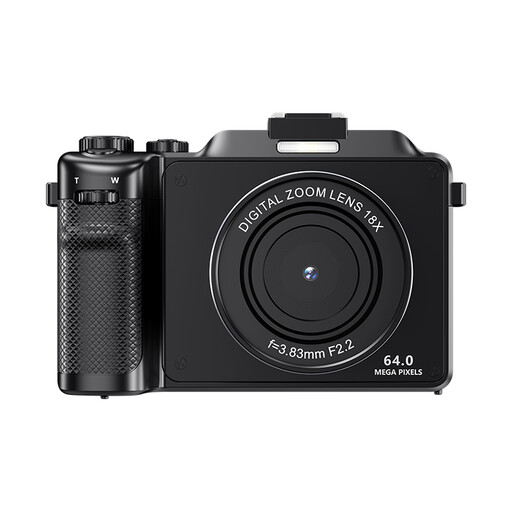 Image unavailable
Check that the camera can focus close enough to frame your soap well on your table.
The product name lists autofocus, 4K, 64MP, 18X digital zoom, a flash and anti-shake.
 Image unavailable
Try a close-up and check the framing with a bar of soap in your own tabletop setup.
The product name lists 12X optical zoom, 4K, 64MP and WiFi.
 Image unavailable
Check that the camera can achieve the framing you want for your soap and leaves enough room for your lighting setup.
The product name lists a 1-inch CMOS sensor, 4K/120fps video, 3-axis stabilisation, tracking, fast focusing and an included microphone.
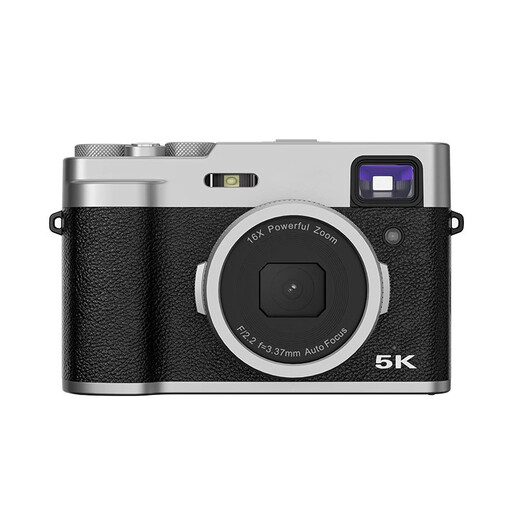 Image unavailable
Test the focusing distance and framing with the soap you want to photograph before relying on the camera for close-ups.
The product name lists autofocus, 48MP, 5K, a 2.8-inch LCD screen and an optical viewfinder.
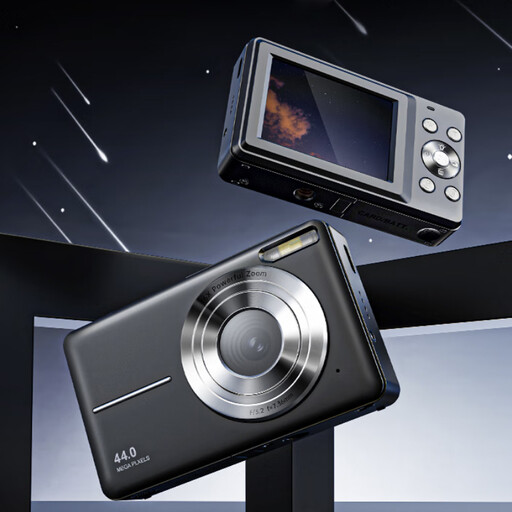 Image unavailable
Check that the camera can focus at the distance you need on your small table.
The product name lists 4K, 44MP and 16X zoom.
Not necessarily. First, try a smartphone you already own with stable support, a simple background and soft lighting. Then see if you can achieve the framing and level of detail you want. Shopify lists a tripod, background, reflector and diffuser as useful product photography tools.
No. The 1 cm listed by Panasonic for the LUMIX FZ82D refers to close focusing. You’ll need to assess the framing and space for lighting separately.
Keep your camera or phone steady, use a simple background and try window light with a diffuser or reflector. Keep the product and lighting in as similar a position as possible when you want to compare your photos.
Check whether a lens is included with the camera and whether its mount is compatible. Also look at the exact lens’s magnification and working distance, and consider whether you can use it at that distance on your table while leaving enough room for lighting.
No. According to the Dutch government, the Netherlands has no set statutory warranty period. When you buy as a consumer, the product must meet what you can reasonably expect from it; if there’s a fault, the retailer is your point of contact.