
Detail hunter
You want to capture the texture of a small snail shell clearly, so you’re looking at magnification, focusing and space for light.


For a damp or dusty camping trip, a rugged compact camera with a macro mode is a practical option if you don’t want to change lenses. A bridge camera is worth considering if you want to photograph subjects at different distances as well as shells. Choose a mirrorless camera with a suitable macro lens if expandability and magnification are your priorities, and you’re happy to carry extra kit. Compare the maximum magnification or sample framing: a focusing distance of 1 cm doesn’t, by itself, tell you how large the shell will appear in the photo.
You want to capture the texture of a small snail shell clearly, so you’re looking at magnification, focusing and space for light.
You want to take close-up photos on a trip where rain, dust and compact kit all matter. Check the protection rating the manufacturer gives for the exact camera model.
You want to photograph the campsite and subjects at different distances as well as close-ups, and are weighing up zoom or interchangeable lenses against carrying extra kit.
Best for: you want to take close-ups quickly without changing lenses, even when rain or dust is a factor.
Trade-off: the lens is fixed, so check the magnification and how much room there is for light.
Best for: you want one camera to capture both shells and subjects at different distances.
Trade-off: check whether the macro mode works well at the zoom setting you need.
Best for: you want to choose a lens for the close-up you have in mind and are open to building a kit you can expand.
Trade-off: the camera body and lens are separate items. Check the lens mount, magnification and exactly what’s included in the offer.
| What to consider | What should you check? | Who is this important for? |
|---|---|---|
| Close-up detail | Compare the maximum magnification or sample framing. OM SYSTEM and Panasonic list a minimum focusing distance of 1 cm for certain models; this is not a measure of magnification. | I want to capture the texture of a small shell, so I’m considering both the framing and the space for light. Around 33% of consumers put close-up detail at the top of their list when buying. |
| Protection in camping weather | Compare the stated protection for the exact model and follow the manufacturer’s instructions for use. OM SYSTEM lists the TG-7 as waterproof to 15 m and dustproof to IP6X; PENTAX lists the WG-8 as waterproof to 20 m. | When I’m taking photos in changeable weather, I want to know what conditions the camera can handle. Around 27% of consumers prioritise protection in camping weather. |
| Portability | Check the dimensions and weight of the exact version, including the battery, and see how to use the macro mode. | I want to take the camera along for spontaneous shots without making my camping kit unnecessarily complicated. Around 20% of consumers give portability and quick operation top priority. |
| One camera for the trip | Decide what you’ll photograph besides shells and check which zoom setting or lens is suitable. Panasonic lists 60× optical zoom for the LUMIX DC-FZ82D; with a mirrorless camera, the lens you use also affects close-up performance. | I want to photograph more than just small shells on the same trip, so I’m comparing zoom with the option to change lenses. Around 20% of consumers prioritise versatility. |
A distance in centimetres doesn’t, by itself, tell you how large the shell will appear in the photo or how much room there’ll be for light.
Check the maximum magnification or a sample frame, and pay attention to the conditions for using macro mode and the selected zoom setting.
Close-up magnification also depends on the lens. The Canon EOS R50 supports RF lenses, but the body doesn’t automatically come with a specific macro lens.
Check exactly which lens is included, whether it fits the mount and what magnification it offers.
A suitable macro lens may need to be bought separately.
According to the Dutch government, there’s no fixed statutory warranty period in the Netherlands. Your statutory rights depend on what you can reasonably expect from the product; a manufacturer’s warranty is different.
Keep your proof of purchase and contact the seller if something goes wrong.
The Tough TG-7 is a rugged compact camera for close-ups without a separate lens.
The WG-8 is a rugged compact camera worth considering if built-in lighting for macro photography matters to you.
The LUMIX DC-FZ82D is a bridge camera for close-ups and subjects at different distances.
The EOS R50 with a suitable RF macro lens is an expandable option.
The NIKKOR Z MC 50mm f/2.8 is a 1:1 macro lens for a compatible Nikon Z mirrorless camera.
This selection of Joybuy products focuses on compact cameras for taking on the go. For photographing snail shells, check specifically whether the camera can focus up close and make the subject large enough in the frame.
 No image available
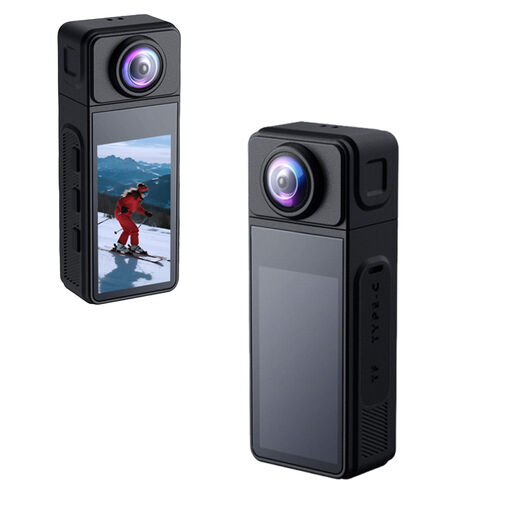
The stated weight of 35 g may be worth considering if you want to keep your camping kit light.
The product description mentions a 270° rotating lens and electronic image stabilisation. The title lists a 1.86-inch IPS display, Wi-Fi, a Type-C port and a TF card slot.
 No image available
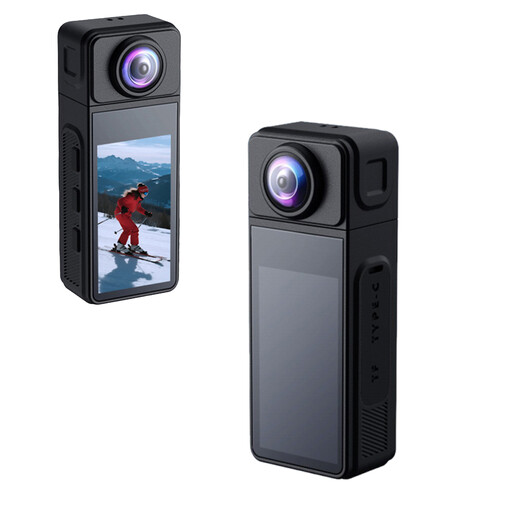
The stated weight of 35 g may be relevant if you’re looking for a lightweight camera to take on the go.
The product name lists a 270° rotating wide-angle lens. The description mentions image stabilisation.
 No image available
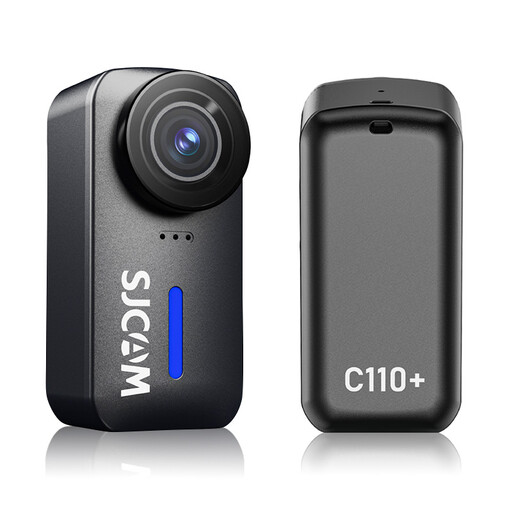
The stated weight of 82 g may be worth considering when putting together your camping kit.
The description lists photos up to 20 MP. The stated waterproofing to 30 m applies when using the supplied housing.
 No image available
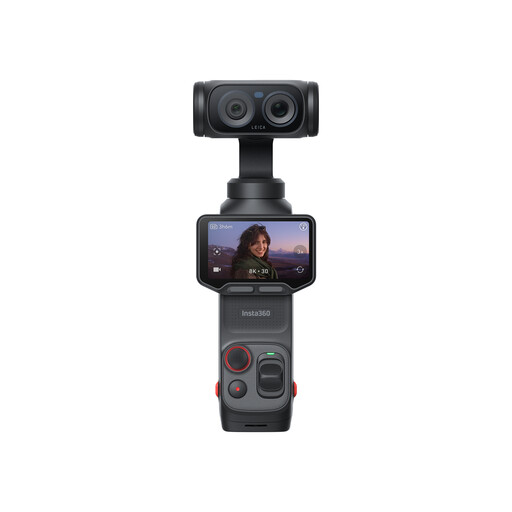
The product description mentions a telephoto lens for close-ups and lossless zoom up to 6×. Check separately whether the camera is suitable for the close-up of a shell you have in mind.
The description also mentions a dual-lens design and a detachable screen. The safety instructions advise keeping the device away from sand and dust.
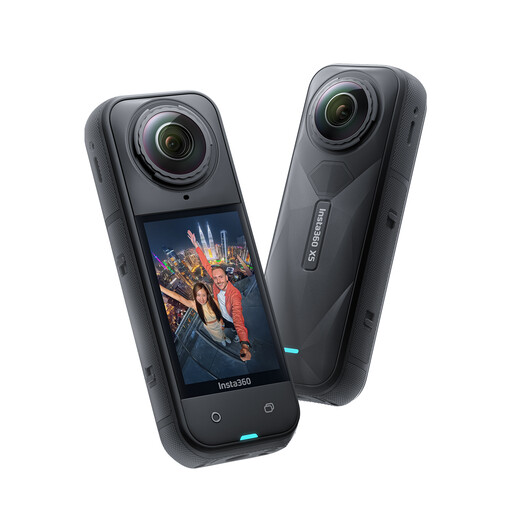 No image available
This camera may suit a trip where 360° video is also a priority; check separately whether its close-up function is suitable for small shells.
The description lists use down to 15 m without a housing. The safety instructions advise keeping the device away from sand and dust.
No. A distance of 1 cm describes how close a camera can focus; 1:1 describes how large the subject is reproduced on the sensor. So compare the magnification or a sample frame, rather than looking only at the focusing distance.
First, make sure your shot is steady and there’s enough usable light without casting a shadow over the subject. PENTAX describes a ring light as part of the WG-8’s macro function; Panasonic lists Focus Stacking for the LUMIX DC-FZ82D. Check whether these features suit your subject and the way you take photos.
Check which lens comes with the offer and whether it fits the camera body. The Canon EOS R50 has an RF mount; Canon specifies maximum 0.5× magnification for the separately described RF 35mm F1.8 MACRO IS STM. Take a suitable memory card and power supply for your trip, too.
According to the Dutch government, there’s no fixed statutory warranty period in the Netherlands. You can expect a product to meet reasonable expectations, and the seller must provide a solution if something goes wrong; a manufacturer’s warranty is different. Damage caused by you and normal wear and tear aren’t automatically covered by free repairs.
Whether you’re allowed to move it depends on the applicable rules and the local situation. The Dutch government outlines a duty of care when interacting with nature, and provinces also determine what’s permitted locally. Where possible, take photos without disturbing animals or removing anything, and follow the campsite’s rules.