
Skyline scene-setter
Wants to frame the water, riverbanks and buildings together from the riverside. Canon Netherlands explains how your position and composition affect the cityscape.


First, choose a field of view that lets you frame both the river and the skyline from where you’ll be standing. Then decide how much optical zoom you need for buildings on the opposite bank. A compact camera with a fixed zoom is handy on a walk, while a mirrorless camera gives you interchangeable lenses but means choosing a lens and making more room in your bag. For photos at dusk, compare the sensor and maximum aperture too—not just the megapixels or zoom range.
Wants to frame the water, riverbanks and buildings together from the riverside. Canon Netherlands explains how your position and composition affect the cityscape.
Wants to take a camera on a walk without constantly changing lenses, and weighs portability against the framing they want. Consumentenbond discusses the choice between compact cameras and cameras with interchangeable lenses.
Wants to isolate distant buildings or keep taking photos after sunset, and needs to decide which matters most. Sony, Canon and Panasonic specifications show that zoom range and maximum aperture vary between models.
Start with the framing you want from the spot where you plan to take photos. Then weigh portability, telephoto reach and low-light performance against that first choice.
| What to consider | What should you check? | Who should prioritise this? |
|---|---|---|
| Getting the whole skyline in the frame | Compare the field of view in full-frame equivalent at the aspect ratio you want, and try out the framing from your planned spot by the river. | If I want to capture the river, its banks and the buildings together, I need to know whether the wide-angle view is wide enough from where I’ll be standing. Around 33% of consumers say capturing the whole skyline is their top buying priority. |
| Carrying it on a walk | Compare the weight and dimensions of the camera ready to use. For a mirrorless camera, check which lenses are included. | I don’t want to carry more equipment than I need on a weekend break, so I weigh lens choice against convenience on the go. Around 27% of consumers give portability top priority. |
| Details on the opposite bank | Check optical zoom separately from digital zoom, and compare telephoto reach, sensor type and maximum aperture. | If I want to photograph individual façades from the riverside, optical reach matters more to me than just a wide overall view. Around 20% of consumers put distant details first. |
| Taking photos at dusk | Compare sensor size and maximum aperture at the focal length you expect to use. Also consider whether you can set the camera down steadily. | I want to keep taking photos after sunset, so I don’t want to rely on the zoom figure alone. Around 20% of consumers give dusk photography top priority. |
A distant detail and a wide skyline call for different framing. Consumentenbond warns that a high zoom often goes hand in hand with a small sensor. Zooming in a long way can also make it harder to keep your subject in the frame.
Compare the wide-angle setting for the overall view first, then the optical telephoto reach for details. Don’t count digital zoom as optical zoom.
The stated weight of a body without a lens isn’t the same as the weight of a complete camera kit.
Compare the camera with its battery and the lens you need, and check which items are included with that version.
According to Fujifilm, the Fujifilm X100VI has a fixed 35 mm-equivalent field of view. If you can’t step further back from the riverbank, you may not be able to fit everything into the frame you want.
Decide in advance which parts of the river and skyline matter most, then try out that composition from your planned spot.
The PowerShot G7 X Mark III and EOS R50 represent two different options: a compact camera with a fixed zoom or a mirrorless camera with interchangeable lenses.
The RX100 VII is a compact camera with a fixed zoom, for anyone who wants to frame both the overall view and the details without changing lenses.
The LUMIX TZ99 is a compact travel zoom for anyone who wants to frame distant details while out for a walk.
The X100VI is designed for anyone who wants to shoot deliberately with a single fixed field of view.
The Z50II kit with two zoom lenses shows how a mirrorless camera can offer different fields of view.
The Joybuy products featured range from a mirrorless camera with a zoom lens to compact cameras and pocket vlogging cameras. Compare each camera’s type of zoom and intended framing with the view from your spot by the river.
 Image unavailable
This mirrorless camera comes with a 16–50 mm power zoom lens, giving you different framing options on a city walk.
The description lists an APS-C sensor and an included 16–50 mm zoom lens.
 Image unavailable
The stated 18× optical zoom may be useful if you want to frame individual buildings on the opposite bank. Also check whether the wide-angle setting captures the whole skyline.
The product name lists 80 MP and 18× optical zoom.
 Image unavailable
This pocket-sized model is designed to be easy to carry. Check that its field of view suits the wide skyline you want to capture from the riverbank.
The description lists 16× digital zoom. Digital zoom is different from optical zoom, so check which type matters for the framing you want.
 Image unavailable
The description mentions both still images and video. Consider whether this pocket camera suits the skyline photos you have planned and how you’ll use it on the go.
Its stated weight is 179 g and it has a rotating screen.
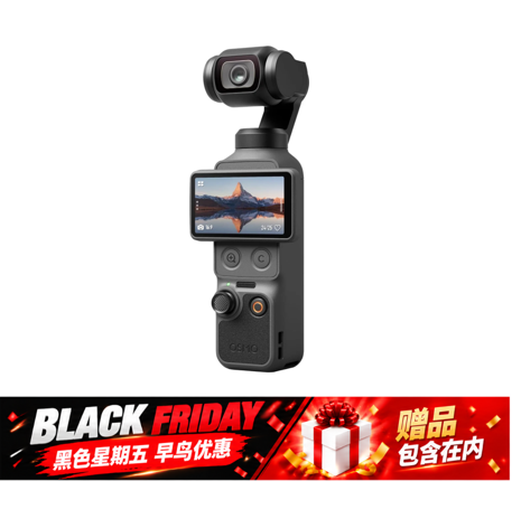 Image unavailable
Check whether the stated zoom and the framing you want suit the skyline from your chosen spot.
Listed features include a 1″ CMOS sensor, 3-axis stabilisation, 2× lossless zoom and 107GB of built-in storage. The stated 4K/240fps refers to video.
Compare the wide-angle setting in full-frame-equivalent millimetres and pay attention to the aspect ratio. Panasonic specifies different equivalent ranges for the TZ99 at different aspect ratios. Try the framing you want from your actual position; a range figure alone won’t tell you how much of the skyline you’ll capture from there.
A stable setup can help if you want to use a longer exposure or shoot from a low angle. Canon recommends a tripod and an adjustable screen for taking photos from the water’s edge. Check that you can set up your tripod safely and without getting in anyone’s way.
Check whether a mirrorless camera kit includes the lens you want and whether you need a suitable memory card or spare battery. According to ACM ConsuWijzer, the seller must put right a fault covered by statutory conformity rules free of charge, subject to the applicable conditions. A manufacturer’s warranty doesn’t replace your statutory rights.
The exception for personal or household use is limited to photos you keep private or share with a very small group. The Dutch Data Protection Authority makes clear that this exception doesn’t apply to sharing with a wider, public audience. Recognisable people are personal data, so check the relevant privacy rules before publishing a photo like this publicly.