Start with the self-timer or an app supported by your camera; you may not need a separate shutter release for a single shot of an etching. For a fixed setup, a compatible cable may be all you need, while wireless control is handy if you want to stand away from the setup without a cable. Canon UK lists the self-timer and Camera Connect as options for compatible cameras. Check that any accessory is suitable for your exact camera model. None of these options replaces a stable setup or checking focus and exposure on the white paper.
Who is this buying guide for?
Photographers with an existing camera
If you’re looking for a shutter release for a camera you already own, check the exact model and connection first. Nikon and Canon publish compatibility information for specific remote controls, but this doesn’t automatically apply to every camera from the same brand.
Photographers capturing fine etching lines
With a fixed setup, releasing the shutter without touching the camera body can help prevent movement caused by pressing the shutter button. Nikon describes this use for the MC-DC3; you should also check that the details are sharp in a test shot.
Photographers working beside the setup
If you’re adjusting the etching or lighting from another position, consider a wireless remote so you don’t need a cable running between you and the camera. Sony describes Bluetooth control for compatible cameras; check that your model supports it.
What should you look for when buying?
Self-timer or compatible app
Choose this if: your camera has the feature and you don’t mind waiting for the shot.
Bear in mind: your camera model must support the app, and you’ll need to set it up.
Wired shutter release
Choose this if: you’re working with a fixed tripod setup and the cable fits your camera’s connection.
Bear in mind: the cable limits where you can stand and needs to be connected to the right socket.
Wireless shutter release
Choose this if: you want to release the shutter without a cable running to the camera.
Bear in mind: both the remote and the connection must be compatible with your exact camera model.
Check compatibility first, then decide whether you need a cable, wireless control or a feature already built into your camera.
| What to consider |
What should you check? |
Who is this important for? |
| Compatibility |
Compare your camera’s full model name and the required connection or wireless support with the manufacturer’s compatibility information. |
When buying a shutter release for my camera, I want to be sure the model and connection match. Around 36% of consumers make compatibility their top priority. |
| Releasing the shutter without touching the camera |
Check whether your camera has a self-timer and whether a compatible cable or wireless remote can release the shutter. |
When photographing fine etching lines, I don’t want to touch the camera during the shot, and I want to be able to check the details afterwards. Around 29% of consumers prioritise minimising camera shake. |
| Operating the camera from your workspace |
Compare wireless control with a cable, and check whether your camera supports the wireless feature. |
If I’m staying beside the etching or lighting, I don’t want to keep walking back to the camera. Around 21% of consumers prioritise cable-free control. |
| Making use of existing features |
Try the self-timer or a compatible camera app with a test shot before choosing a separate remote. |
For a single shot, I want to find out first whether my camera can already do the job. Around 14% of consumers want to make use of their camera’s existing features first. |
Buying pitfalls
-
Choosing based only on the camera brand or Bluetooth
Remote controls are often designed for specific camera models or connections. The same brand name or a Bluetooth feature doesn’t, by itself, prove that a remote will work with your camera.
Before buying, compare your camera’s full model name and the required connection with the manufacturer’s compatibility information. This helps you avoid choosing a remote that won’t connect to your camera.
-
Assuming a remote will fix every blurry photo
Releasing the shutter without touching the camera won’t automatically solve focusing issues or problems with how white areas and fine etching lines appear in the image.
Take a test shot and check the etching lines and the lighter areas of the paper separately.
-
Buying a separate remote before testing the camera itself
For a stationary etching, using the self-timer can help you avoid touching the camera during the shot. You may not need an additional timer feature for a single photo.
Try the self-timer or an app supported by your camera first. Only then choose a separate remote if it suits the way you work.
Brands to consider
Canon
For compatible EOS cameras, Canon lists the wireless BR-E1 and describes Camera Connect and the self-timer as other ways to control the camera. Canon UK provides a compatibility list for the BR-E1.
- The BR-E1 has a specific list of compatible camera models.
- The listed compatibility doesn’t automatically apply to every Canon camera; check your model.
Nikon
Nikon describes the wired MC-DC3 and wireless ML-L7 for the cameras they’re designed to work with.
- Nikon describes a half-press and lock function for the MC-DC3; the ML-L7 has separate controls for the shutter and video.
- Check that your camera model supports the connection or wireless control.
Sony
Sony describes the RMT-P1BT as a Bluetooth remote for compatible Sony cameras.
- According to Sony, this model uses the built-in Bluetooth receiver in a compatible camera.
- This product information doesn’t confirm that the remote works with every Sony camera.
JJC
JJC describes the TM-F2 as a wired timer remote for the models and connections listed with the product.
- According to JJC, the TM-F2 can be used as a wired shutter release and interval timer.
- The timer functions may be unnecessary for a single shot of an etching; check the listed camera models and connection.
Joybuy products
These products are designed for smartphone photography and control of certain Osmo Action cameras. They’re not a general-purpose replacement for a shutter release confirmed to work with your standalone camera. Check compatibility and intended use for each product.
 Image unavailable
KINSI Smartphone Tripod with Bluetooth Remote Control
If you’re photographing an etching with a smartphone, this model combines a smartphone tripod with a Bluetooth remote for your phone’s camera.
The product title describes a folding, height-adjustable tripod for tabletop and outdoor use.
View at Joybuy
 Image unavailable
Osmo Action GPS Bluetooth Remote Controller
This wireless remote is designed for the Osmo models listed with the product, not for cameras in general.
The listed compatible models include Osmo Action 4, Osmo Action 5 Pro, Osmo 360 and Osmo Action 6. The description says it can remotely control photos and videos.
View at Joybuy
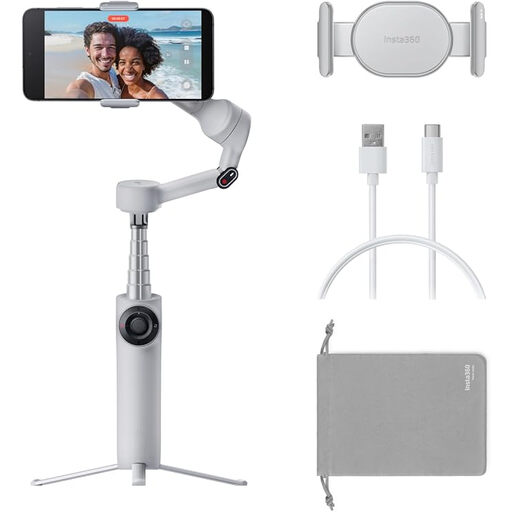 Image unavailable
Insta360 Flow 2 Gray
For a fixed smartphone setup, the product description mentions a built-in tripod and control via a second phone.
The description also mentions gesture control for taking a photo. The product title lists iPhone and Android.
View at Joybuy
Frequently asked questions
Do I need a separate remote for a single shot of an etching?
Not necessarily. If your camera has a suitable self-timer, you can use it to take a photo without touching the camera during the shot. Canon UK also lists Camera Connect as a control option for compatible cameras.
How can I check whether a remote is compatible with my camera?
Look up your camera’s full model name in the manufacturer’s compatibility information, and check the required connection or wireless support too. Don’t rely on the camera brand or a Bluetooth listing alone.
How can I keep the etching lines and white paper clear in the image?
Take a test shot and check both the fine lines and the lighter areas of the paper. A remote can only help prevent movement caused by touching the camera, so check focus and how the image looks separately too.
Will a remote automatically make my etching sharp?
No. A remote releases the shutter, but it won’t focus automatically or check the photo. Check the sharpness of the etching lines in a test shot.


