For whole bowls, a camera with a suitable standard zoom lens, a fixed setup and adjustable white balance is a sensible starting point. For small glaze details, lens magnification matters more; a compact camera with built-in close-up capabilities means less separate equipment, but gives you no choice of lens. With either setup, the direction and softness of the artificial light determine how the shape and surface appear.
Who is this camera guide for?
Ceramics sellers
You want to capture whole bowls clearly and photograph products using a consistent setup. As well as the camera, consider using fixed framing and controlling the white balance; these settings alone won’t guarantee accurate colour in your photos.
Glaze detail photographers
You want to show small colour variations, surface texture or a maker’s mark close up. Pay attention to the magnification and focusing distance of the specific lens or built-in optics.
Photographers without a set of lenses
You’d rather not choose or swap separate lenses. Compare the close-up capabilities of a compact camera with the option to use a different lens later on a system camera.
What should you look for when buying?
First decide whether you need consistent shots of whole bowls or high magnification for small details. Then check that the lighting and complete kit suit the way you work.
| What to consider |
What to look for |
Who is this important for? |
| Glaze colour under artificial light |
Check whether you can adjust the white balance, and test your setup using a white reference. |
I want the glaze colour to remain recognisable under my usual artificial lighting, and I don’t want to base a whole series on an incorrect setting. Around 36% of consumers say colour reproduction is their main reason for buying. |
| Whole bowls in a series |
Check that the included lens gives you the framing you want and that you can position the camera securely. |
I photograph several whole bowls and want to keep the framing consistent between shots. Around 29% of consumers give repeatable product photos their highest priority. |
| Small glaze details |
Compare the magnification and focusing distance of the exact lens or camera version. |
I want to show a small colour variation or maker’s mark clearly, so I need to know how close I can get. Around 21% of consumers prioritise detail magnification. |
| Simple equipment |
Check which lens and charging option are included, and whether you can change the lens later. |
I want to get started without separate lenses or unexpected missing items. Around 14% of consumers say simplicity is their main reason for buying. |
Common pitfalls
-
Assuming more megapixels guarantee better ceramic photos
The lens, image sensor and the way they work together also affect the photo. Lighting also plays a part in how the glaze surface appears.
Assess the camera, lens and lighting together rather than looking at the megapixel count alone.
-
Assuming a standard zoom can replace any macro lens
A standard zoom and a dedicated macro lens can offer different maximum magnifications. These figures apply to the specific lens, not the camera body.
Decide which detail you want to photograph, then check the magnification of the lens you’re considering.
You may need a separate, suitable macro lens for small details.
-
Assuming soft light shows every glaze to its best advantage
Lighting manufacturer broncolor says that more strongly diffused light can make surface texture less visible. Harder light makes shadows more distinct, but can also create bright highlights.
Test different lighting positions with your own bowl and choose the setup that shows the shape and details you want.
-
Looking only at the camera body or kit name
The included lens varies by version. Nikon states that its Z50II kit with standard zoom does not include a charger.
Compare everything in the box with what you’ll need for your first photo session.
Camera brands to consider
Canon
The EOS R50 kit with RF-S 18-45mm is a system camera option for photographing whole bowls; a separate RF macro lens is another way to capture details.
- Canon lists a maximum magnification of 0.16× with autofocus or 0.26× with manual focusing for the RF-S 18-45mm at 45 mm.
- Canon gives the separate RF 35mm F1.8 MACRO IS STM a maximum magnification of 1:2.
- These specifications are not an independent comparison of colour reproduction or sharpness; also check which lens is included with the version you choose.
Nikon
The Z50II kit with NIKKOR Z DX 16-50mm is a standard zoom option; the separate NIKKOR Z MC 50mm f/2.8 is designed for different magnification needs.
- Nikon specifies 1:1 magnification for the NIKKOR Z MC 50mm f/2.8 and confirms that it can be used on Z-series DX cameras.
- For the Z50II kit reviewed, Nikon states that a charger is not included.
- Lens specifications do not prove that this setup will produce better photos than another camera setup.
OM SYSTEM
The Tough TG-7 is a compact camera option with built-in optics and macro modes.
- OM SYSTEM specifies approximately 12 megapixels and a minimum focusing distance of 1 cm.
- The fixed lens means you don’t have to choose a separate lens.
- The lens cannot be changed. Shooting from a very short distance can also limit the space available for lighting.
Cameras at Joybuy
These models list optical zoom, a 16-50mm zoom lens or still-image capabilities. For ceramic photography, check the focusing distance, white balance settings and included accessories for each model.
 No image available
Komery W6 digital camera, 12× optical zoom, 4K
The title mentions optical zoom, which could be useful if you want to adjust the framing of a bowl.
The product name lists 12× optical zoom, 4K, Wi-Fi and 64 MP. Check that the focusing distance and white balance suit your subject.
View at Joybuy
 No image available
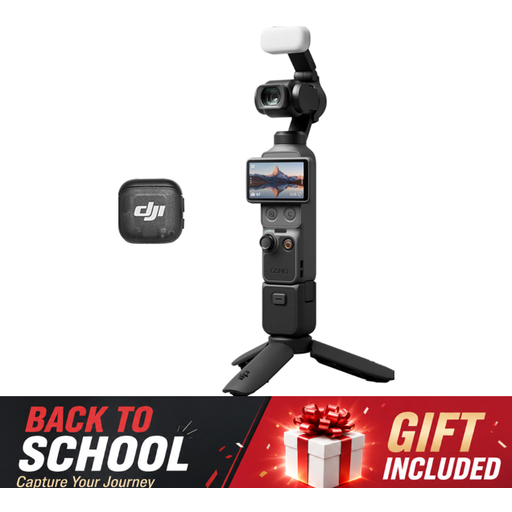
DJI Osmo Pocket 3 Creator Combo
The product description mentions capturing still images; check that the focusing distance and settings are suitable for photographing bowls.
The description lists a 1-inch CMOS sensor and a 2-inch rotating touchscreen. The product name mentions 4K/120fps and an included microphone.
View at Joybuy
 No image available
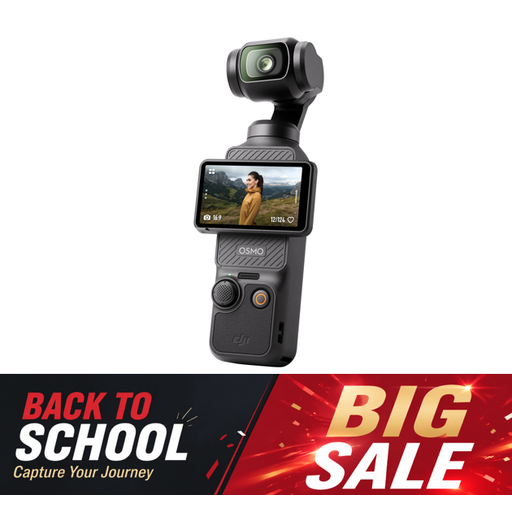
DJI Osmo Pocket 3
The product description mentions capturing still images; check beforehand that the focusing distance is suitable for your close-up shots.
The description lists a 1-inch CMOS sensor and a 2-inch rotating touchscreen. The product name mentions 4K/120fps.
View at Joybuy
 No image available
Sony ZV-E10 with 16-50mm zoom lens
The included zoom lens may be useful if you want to adjust the framing for whole bowls; check that the lens can focus close enough.
The product description lists a 24.2 MP APS-C sensor and a setting that focuses on an object. According to the description, an adapter/charger and SD memory card are not included.
View at Joybuy
 No image available
Sony Alpha A6100 with 16-50mm f/3.5-5.6 OSS II lens
According to the product name, the kit includes a 16-50mm zoom lens; check its focusing distance for the framing you want when photographing a bowl.
The product description lists a 24.2 MP APS-C CMOS sensor, a tilting screen and an electronic viewfinder.
View at Joybuy
Frequently asked questions
How can I keep bowl colours consistent under artificial light?
Keep the lighting consistent, set the white balance for that light and, if needed, photograph a white reference. Nikon explains that automatic white balance and white-card-based white balance can produce different results under artificial light; check the result with your glaze.
Do I need a macro lens straight away to photograph a whole bowl?
Not just because you’re photographing a bowl: start with the framing you need to show the whole bowl. If you later want to fill the frame with a small detail, compare the maximum magnification of the included lens with that of a suitable macro lens.
How should I set up the camera and lighting for a series of bowls?
Secure the camera to keep the framing consistent, then test different light directions and levels of softness. Very diffused light can make surface texture less visible; harder light creates more distinct shadows, but can also produce bright highlights.
Which extra items should I check before buying?
Check whether the offer includes a lens, what charging option is included and whether you need a separate macro lens for the detail you want to photograph. Nikon states that its Z50II kit with standard zoom does not include a charger.
What consumer rights apply when buying a camera online in the Netherlands?
According to the Dutch Government, consumers making online purchases are entitled to a 14-day cooling-off period in many cases, although exceptions may apply. If a product is faulty, you also have statutory rights with the seller. The Netherlands Authority for Consumers and Markets says there is no fixed period for the statutory guarantee: what you could reasonably expect from the product is what matters.


