
Skyline and reflection photographer
Wants to capture buildings and water together. The desired framing depends on the field of view and shooting position; Canon Netherlands explains how the condition of the water can affect its reflection.


Start with the field of view: it should be wide enough to frame the skyline and water together, unless you want to isolate a particular detail. Then choose between a compact camera with a fixed zoom and a mirrorless camera with interchangeable lenses. At twilight, control over exposure and, if needed, a tripod are important; image stabilisation alone won’t freeze moving water.
Wants to capture buildings and water together. The desired framing depends on the field of view and shooting position; Canon Netherlands explains how the condition of the water can affect its reflection.
Takes photos as the city lights come on and wants to stay in control of exposure and camera movement. A tripod can help when you want to use long exposures deliberately.
Carries a camera between different viewpoints and weighs up a compact kit with a fixed zoom against the lens choice offered by a mirrorless camera.
| What to consider | What should you check? | Who is this important for? |
|---|---|---|
| Framing the skyline and water | Check the field of view of the actual lens or built-in zoom, and try out the viewpoint you have in mind. | I want to frame the buildings and their reflection in one composition from my side of the river. Around 33% of consumers put this framing first. |
| Exposure at twilight | Look at the options for setting shutter speed and aperture; consider whether you want to take a tripod for long exposures. | When I take photos in low light, I want to choose the exposure and how movement is rendered. Around 27% of consumers make control at twilight their top priority. |
| Weight of the complete kit | Compare the combined weight of the camera body and chosen lens; a fixed zoom means you won’t need to carry an extra lens. | I want to try different viewpoints along the river without carrying a heavy kit. Around 20% of consumers focus mainly on portability. |
| How moving water is rendered | Decide whether you want a clearly defined reflection or a flowing effect; check the long-exposure features and the effect of a polarising filter. | I want to decide whether the water remains clearly defined or is deliberately rendered as a soft flow. Around 20% of consumers prioritise this creative approach to rendering water. |
A polarising filter can reduce reflections on water. That may work against your aim if you want the reflection to stand out.
First decide what effect you want, then check how the filter affects your composition before choosing one.
Your chosen lens also affects the framing and the weight you’ll carry on a walk.
Compare the body with the lens you need for your desired field of view. Take a tripod only if your shooting plan calls for one.
A long exposure can render moving water as a smoother flow; that’s different from a clearly defined, sharp reflection.
First decide how you want the water to look, then adjust the shutter speed and any Live ND function accordingly.
The PowerShot G7 X Mark III is an example of a compact camera with a fixed zoom; the EOS R8 is a full-frame mirrorless camera with a separately chosen lens.
The X-S20 is an APS-C mirrorless camera with in-body image stabilisation and interchangeable lenses.
The α6700 is an example of an APS-C mirrorless camera with an E-mount.
The OM-5 offers features for anyone looking for a portable mirrorless camera and wanting to experiment with long exposures.
The Z6III is an example of a full-frame mirrorless camera for photographers who want to assess their composition in highly variable light.
Below are portable camera options, including instant, action and pocket cameras. For each model, check whether its available field of view, controls and the way you want to capture the water suit your plans for a skyline reflection.
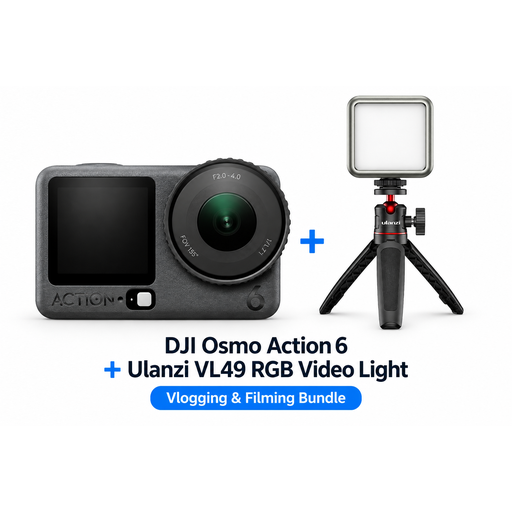 No image available
The product description mentions outdoor and travel photography; check whether the field of view suits the skyline and reflection you want to frame.
The bundle name includes a Ulanzi VL49 RGB LED video light.
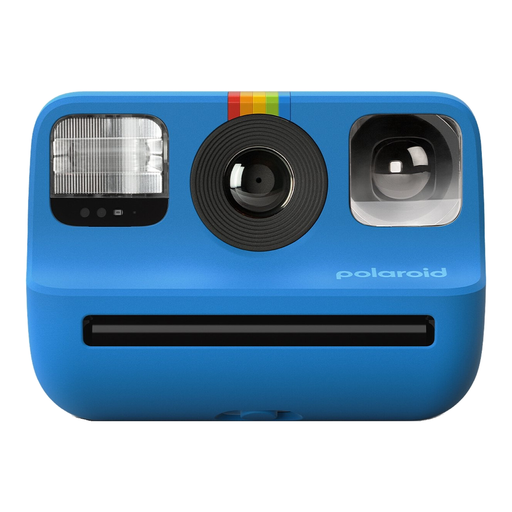 No image available
This compact instant camera is ideal if you want a tangible snapshot to remember an outing; check whether its available framing suits your skyline composition.
It requires Polaroid Go film and produces small prints.
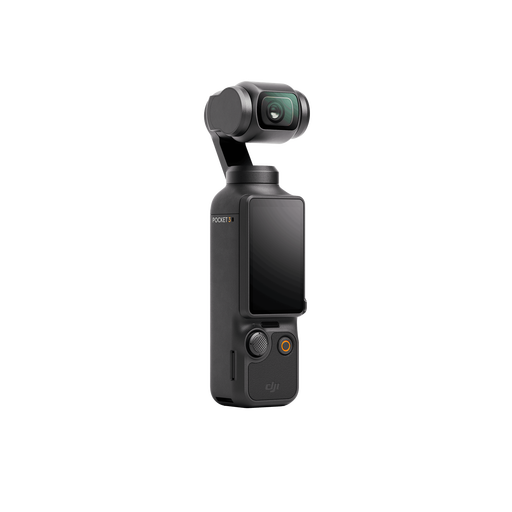
 No image available
This pocket camera is a portable option; check whether the stated zoom and screen suit how you want to frame your shot from the riverbank.
The product title lists a 1″ CMOS sensor, 2× lossless zoom, 3-axis stabilisation, 107 GB of built-in storage and a 2″ rotating screen.
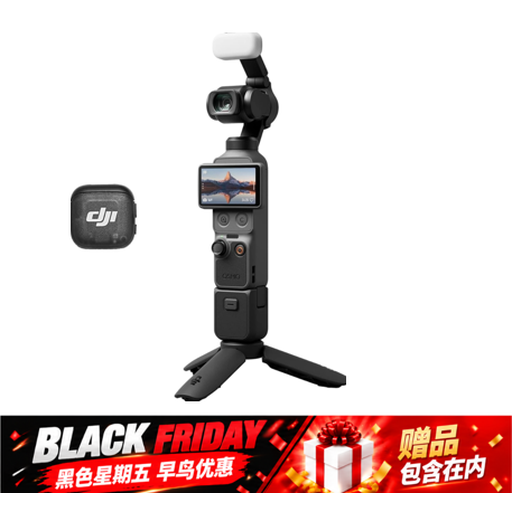 No image available
This pocket camera is a portable option; assess the stated zoom and accessories against your shooting plans.
The product title lists a 1″ CMOS sensor, 2× lossless zoom, 3-axis stabilisation, 14-stop dynamic range, 107 GB of built-in storage and a handle with a 1/4″ thread.
 No image available
The product title mentions photography; check whether the camera and included accessories suit the way you want to take photos.
The product title lists a 1″ CMOS sensor, 4K/120 fps video, 3-axis stabilisation, face and subject tracking, fast focusing and a microphone.
Not necessarily: a polarising filter is designed to reduce reflections on water. Canon Netherlands and Nikon describe this effect, so consider whether a filter is right for the reflection you want to keep in your composition.
No, not for every shot. A tripod helps keep the camera still when you deliberately use a long exposure, but the shutter speed you can use also depends on the light, the lens and how you want movement in the water to look.
As well as any manufacturer’s or retailer’s warranty, you are entitled to a legal guarantee as a consumer. ACM ConsuWijzer explains that, under the applicable conditions, the retailer must put right at no cost any product that becomes faulty with normal use sooner than you could reasonably expect.
Not necessarily. The Dutch Data Protection Authority points out that identifiable people in photos are personal data, and privacy rules may apply when taking and publishing them. Assess the specific photo and intended use separately.