
Sunrise photographer with a tripod
This photographer wants to capture the bright sky and dark polder deliberately, and is prepared to assess exposures and process RAW files.


Choose a camera based on how you photograph the polder: from a tripod, with the option to work with RAW files and different exposures, or while walking with a complete, lightweight kit. A polarising filter isn’t always the right choice when the reflection itself is your subject, as it can reduce reflections. So compare the camera body, lens and any accessories as one complete kit.
This photographer wants to capture the bright sky and dark polder deliberately, and is prepared to assess exposures and process RAW files.
This photographer wants to keep the reflection visible in the composition, so pays attention to how a filter affects the look of the water.
This photographer wants a complete camera kit that’s easy to carry, and considers how to protect both the body and lens in changeable weather.
| Consideration | What to check before you buy | Who should give this more weight? |
|---|---|---|
| Bright sky and dark foreground | Check RAW support, exposure compensation and any exposure bracketing on the exact model. | I want to assess the bright sky and dark foreground myself and use multiple exposures if needed. Around 33% of consumers prioritise exposure control. |
| Keeping the reflection | Nikon explains that a polarising filter can reduce reflections; also check that the filter size fits the lens. | I want to keep the reflection of the sky in the water, rather than automatically removing all the glare. Around 27% of consumers prioritise retaining the reflection. |
| Carrying your camera to the location | Compare the combined weight of the body and chosen lens, and consider whether you’ll shoot handheld or use a tripod. | I walk to my photography spot, so I want to carry a kit that suits my walk. Around 20% of consumers prioritise portability. |
| Cost of the complete kit | Compare like-for-like packages and check whether the offer includes a body only or also a lens, memory card or spare battery. | I want to know in advance what I need for a usable kit, rather than comparing bodies alone. Around 20% of consumers prioritise the cost of the complete kit. |
A filter that reduces reflections can also weaken the reflection you want to show in your photo.
First decide whether the reflection is your subject or whether you want to reduce distracting glare. Then check that the lens has the right filter thread.
With a mirrorless camera system, the lens and other necessary components also affect how portable and practical the complete kit is.
Compare deals with the same contents, and factor your chosen lens into your assessment of weight and field of view.
Opening times and path rules can vary between nature reserves.
Before setting off, check the information for the specific area and look out for access signs when you arrive.
The EOS R8 is a full-frame mirrorless camera worth comparing if a relatively lightweight body and HDR options suit the way you work.
The Z5II is a full-frame option to consider if stabilisation and multiple exposures matter to you.
The OM-5 Mark II is worth comparing if you’re looking for a compact kit to take on a walk.
The X-S20 is an APS-C mirrorless camera with interchangeable X-mount lenses to compare with other options.
The α7 IV is another full-frame mirrorless camera to compare if you’re considering both photography and video.
This Joybuy selection includes compact cameras and pocket cameras. For each model, check that the photo controls, field of view and file options suit the way you want to capture a high-contrast sunrise.
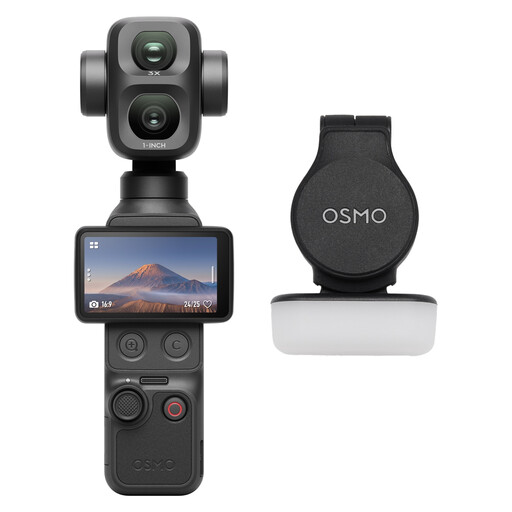 No image available
A pocket camera for anyone who wants to carry minimal equipment; check that its controls and recording options suit the way you take photos.
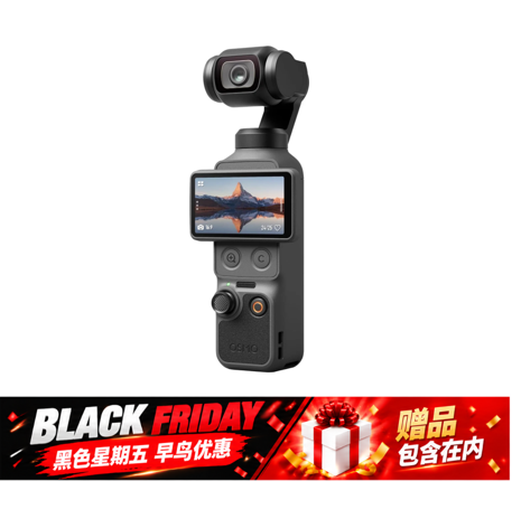 No image available
A pocket camera to compare if you’re looking for a compact option; check its photo modes and file options for still landscape photography.
The product name lists 1″ CMOS and 4K/240fps; video specifications alone don’t determine whether a camera is suitable for sunrise photography.
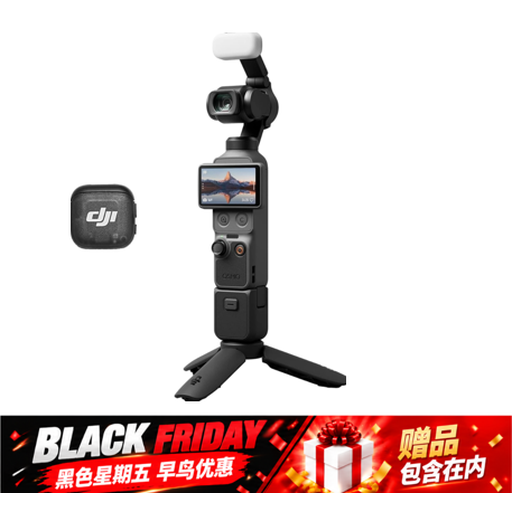 No image available
A compact option to take with you; check which photo controls and file options are included with this version.
The product name lists 1″ CMOS, 2× lossless zoom and a handle with a 1/4″ thread.
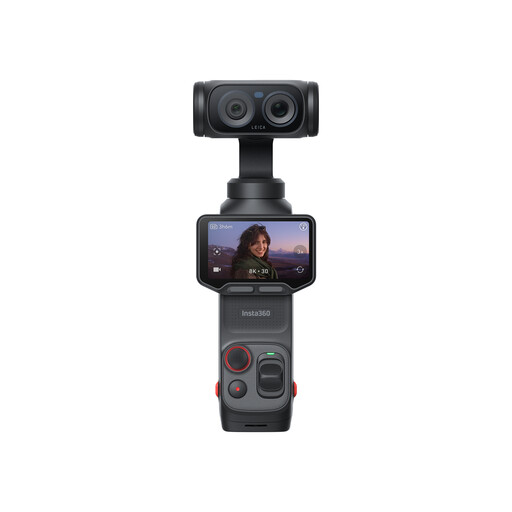 No image available
Check which photo modes and field of view are available with this version, and whether they suit the polder composition you have in mind.
 No image available
A compact camera to consider if portability matters; check that its photo modes suit the landscape shots you want to take.
The product name lists a 1″ CMOS sensor and 4K/120fps video; these video specifications aren’t an independent assessment of photo performance.
Not automatically: a polarising filter can reduce reflections, but that may also weaken the reflection you want to photograph. First decide what effect you’re after, then check that the filter thread fits your lens.
First assess the exposure for the scene. If a single shot doesn’t capture the detail you want, consider taking multiple exposures. Nikon documents automatic bracketing and an HDR function for the Z5II. Use a stable setup if you plan to combine the shots later.
Check whether the offer includes just the body or a lens as well. Consumentenbond describes the body as the base to which lenses, spare batteries and other items can be added. So check your chosen lens and what’s actually included, too.
According to the Rijksoverheid, you’re entitled to a product that works properly, and the seller must provide a solution if it doesn’t. There’s no fixed statutory warranty period in the Netherlands; what you could reasonably expect from the product and the circumstances of the fault are important.
It depends on the area and the land manager’s rules. Staatsbosbeheer and Natuurmonumenten state that their areas are generally open from sunrise to sunset, and refer visitors to local information and site signs for exceptions and permitted paths. Check before setting off.
First consider the privacy implications. The Autoriteit Persoonsgegevens explains that identifiable people in images count as personal data, so privacy laws apply.