What should you look for when choosing?
Don’t just look at the camera body. First decide how you’ll light your artwork, how far away you’ll be when taking the photo and how much you’ll need to crop it. Then consider whether a fixed lens will do the job or if you’d rather choose your own.
| What to consider |
What to look for |
Who might value this most? |
| Consistent colour |
Check for RAW support and white balance controls, and make sure your lighting is even and easy to manage. |
If I’m comparing colours between studies, I want to be able to control the lighting and white balance. Around 33% of consumers prioritise colour consistency. |
| Detail and framing |
Measure your artwork and the available shooting distance; check that the lens can frame the whole watercolour. |
If I want to capture the whole watercolour and crop it later, I look at the lens and shooting distance as well as the resolution. Around 27% of consumers prioritise detail and cropping. |
| A repeatable setup |
Check that you can position your camera and set it up in the same way each time. Assess stabilisation specifications in the stated conditions. |
If I want to photograph several studies consistently, I need to be able to repeat the camera position and lighting. Around 20% of consumers prioritise repeatability. |
| A complete setup |
Check whether the version you’ve chosen includes a lens and whether you’ll need a support or lighting for your setup. |
If I want a practical setup that’s ready to use at home, I check which items are included with the version I’ve chosen. Around 20% of consumers prioritise having an easy-to-assemble complete setup. |
Cameras at Joybuy
These cameras are options to compare for photographing watercolours at home. For each model, check that you can position the camera straight opposite the artwork and that the lens and setup suit your space.
 No image available
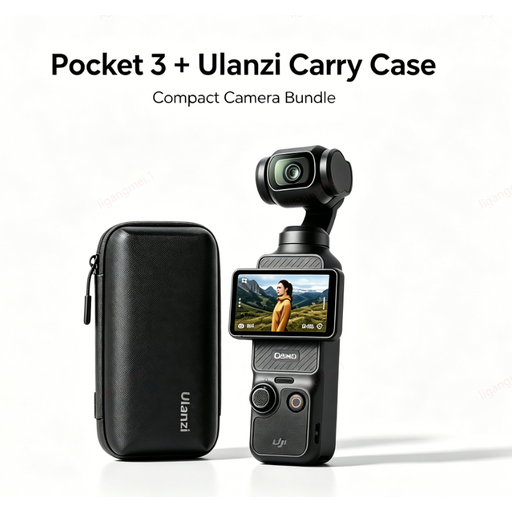
DJI Pocket 3 with Ulanzi storage case
This compact handheld camera may suit you if you want to work with a small camera; check that you can position it steadily opposite the paper for reproductions.
The product description mentions 3-axis mechanical stabilisation.
View at Joybuy
 No image available
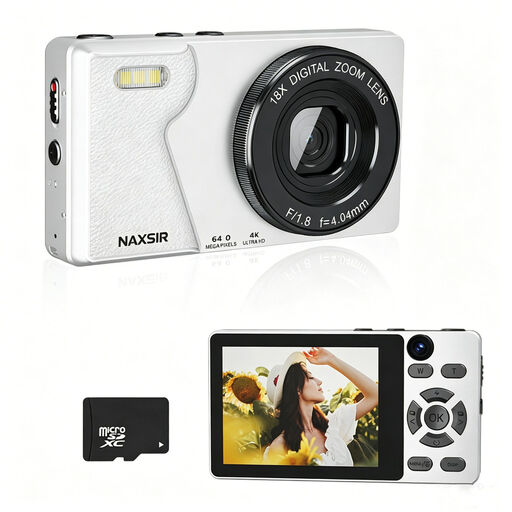
NAXSIR digital camera, 64 MP, with 32 GB memory card
Worth considering if you’re looking for a camera that includes a memory card; check how well it frames your watercolour from the available distance.
The product title lists 64 MP, 18× digital zoom, autofocus and a 32 GB memory card.
View at Joybuy
 No image available
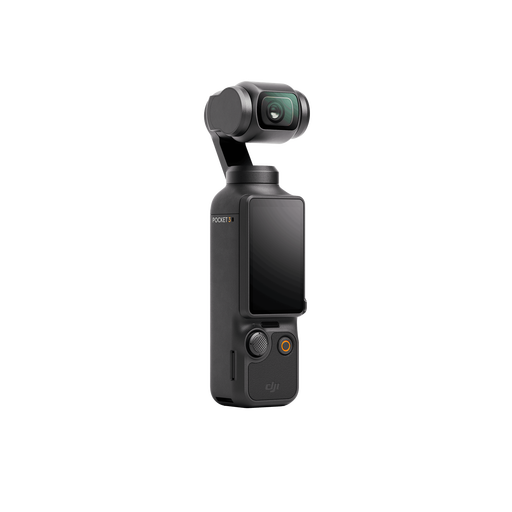
DJI Osmo Pocket 3 Creator Combo
This compact camera is worth comparing if you’re looking for a handheld model; for photographing watercolours, also consider whether you can create a stable, repeatable position.
The product title lists a 1-inch CMOS sensor, 4K/120fps video and 3-axis stabilisation.
View at Joybuy
 No image available
Songdian 4K pocket camera, 44 MP, pink
Worth considering if you’re looking for a pocket camera; check that the lens can frame the whole watercolour from your shooting distance.
The product title lists 44 MP, 4K and 16× zoom.
View at Joybuy
 No image available
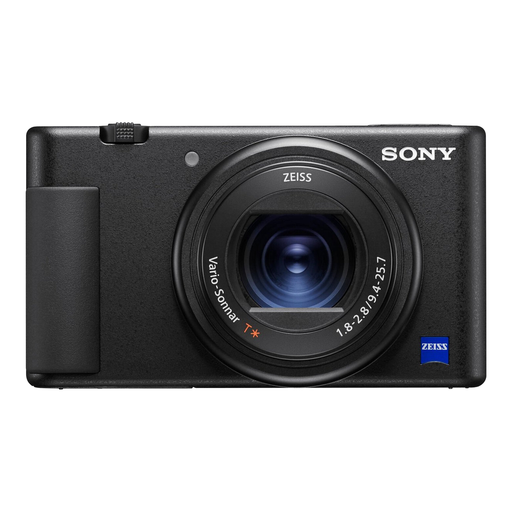
Sony ZV-1 compact camera
The listed RAW shooting may be useful if you want to adjust the white balance later; RAW won’t correct uneven lighting or poor framing.
The product description lists 20 MP, RAW shooting and 2.7× optical zoom.
View at Joybuy
Frequently asked questions
Do I need RAW to photograph my watercolour?
Not for every quick record shot. RAW gives you more room to adjust the white balance afterwards if you’re using the original as a reference, but it won’t fix uneven lighting or poor framing. Check RAW support for the exact model.
How do I set up at home to photograph several studies?
Keep the light source, camera position and shooting settings as consistent as possible, and compare a test shot with the artwork. Avoid unnecessary prolonged exposure to strong light: according to the Library of Congress, light damage can accumulate.
What can I do if my camera develops a fault in the Netherlands?
If a product is faulty, you may be entitled to an appropriate solution under guidance from the Dutch government, such as a repair, replacement or refund. The Netherlands doesn’t have one fixed statutory guarantee period for all products; the seller must deal with the problem and can’t simply send you to the manufacturer.
Can I publish a photo of a watercolour online?
This depends in part on who created the work shown. According to the Dutch government, copyright arises automatically and belongs to the creator; you generally need permission to make someone else’s copyright-protected work available to the public. You can’t simply publish a copy made for personal use.


