
Printmaker reproducing their own prints
You want colours and paper to look as consistent as possible across repeated shots. So consider not just the camera body, but also how you’ll control the lighting and process the images.


For photographing a linocut, a straight, stable setup with even lighting matters more than simply having a camera with lots of megapixels. A better camera body won’t correct a crooked or unevenly lit shot. If you photograph your work regularly and want to assess colour and fine lines yourself, consider a mirrorless camera with a suitable lens and RAW shooting. For simple online documentation, try your existing camera or phone first. Decide in advance which file format you need, and check whether the lens is actually included with each offer.
You want colours and paper to look as consistent as possible across repeated shots. So consider not just the camera body, but also how you’ll control the lighting and process the images.
You want to preserve fine lines and check whether the file is large enough for your intended print size.
You’re looking for a setup you can align accurately and use again. Factor in the lens and any lighting you may need when making your choice.
Start by taking a test shot of your own work. Then decide whether colour control, usable detail, a suitable setup or a complete kit is the main priority for you.
| What to consider | What should you look for? | Who is this important for? |
|---|---|---|
| Even lighting and colour | Check whether you can shoot in RAW and point the camera straight at your work. Assess a test shot using the lighting you’ll actually be working with. | If I photograph prints repeatedly, I want to assess the lighting and colour myself. Around 33% of consumers put the greatest emphasis on this. |
| Fine lines and file size | Compare the pixel dimensions of a test file with your intended output. Check sharpness in the centre and at the edges using the lens you’re buying. | When small carved lines need to remain visible, I want to know whether the file has enough usable pixels for my needs. Around 27% of consumers give this the highest priority. |
| Accurate alignment | Check whether a tripod or copy stand will fit, and whether you can frame the whole sheet straight. Also make sure you can see the screen clearly from that position. | In a small home studio, I want to be able to position the camera straight and consistently. Around 20% of consumers prioritise this setup. |
| Complete kit and costs | Check whether the offer includes a body or a specific lens kit. Make sure the lens can capture the whole piece from the distance available. | If I need to buy the camera, lens and setup together, I want to know what a complete working kit includes first. Around 20% of consumers focus mainly on this. |
For photographing artwork that doesn’t move, a flat placement and even, consistent lighting are essential. Higher resolution won’t fix a crooked or unevenly lit shot.
Take a test shot of the whole sheet first, then check the corners, lighting and colour before deciding how much resolution you need.
A more expensive body may be an unnecessary expense if the setup remains the limiting factor.
The mount and included lens vary by model and offer. The Canon EOS R50 supports RF and RF-S lenses, but the body alone doesn’t include a lens.
Check the full model and kit name, and compare the contents with the setup you want to create.
You may need to buy a suitable lens separately, and possibly a tripod or lighting too.
For the LUMIX G9II, Panasonic distinguishes between the 25.2 MP sensor and a mode that combines multiple shots into an 11,552 × 8,672-pixel file.
First compare a standard shot with your output requirements, then assess any special mode separately using your own setup.
The EOS R50 is an APS-C mirrorless camera with an RF mount, suited to anyone who wants to choose a lens separately.
The ILCE-6400 is an APS-C camera with an E mount, suited to anyone who wants to process RAW files and choose their own lens.
The Z50II is a mirrorless camera worth considering if you need to frame your shot from an awkward camera position.
The LUMIX G9II is a Micro Four Thirds option to consider if a larger composite file serves a specific purpose.
Joybuy product options for this topic; check whether the features listed for each model are suitable for photographing a linocut.
 No image available
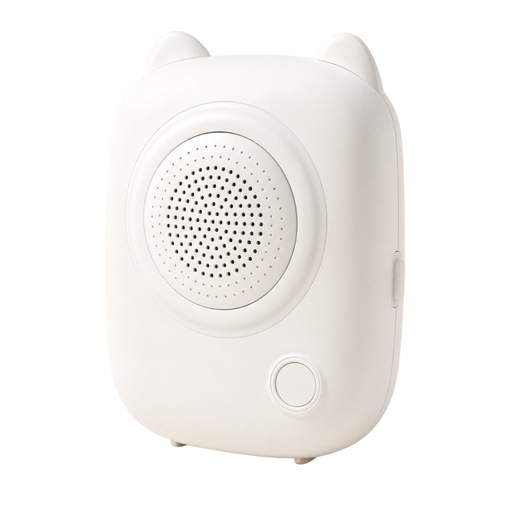
The product title mentions an instant photo feature; check whether it suits the type of reproduction you have in mind.
Thermal printer and instant photo feature, according to the product title.
 No image available
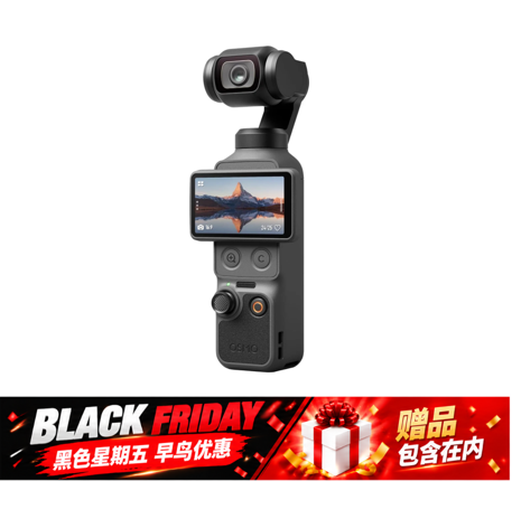
The product title mentions a rotating screen; check whether the camera and its other listed features are suitable for capturing your print.
The title lists a 1″ CMOS sensor, 4K/240fps, 3-axis stabilisation, 2× lossless zoom, 107 GB of built-in storage and a 2″ rotating screen.
 No image available
The title states that a zoom lens is included; check whether it can capture the whole sheet in focus from the distance available at home.
16–50mm zoom lens, according to the product title.
 No image available
The product title states that a zoom lens is included; check whether the combination suits your preferred framing and available space.
16–50mm f/3.5–5.6 OSS II lens, according to the product title.
Not necessarily. First take a test shot using the equipment you already have, with a straight setup and even lighting. Then assess whether the sharpness, colour and file size are suitable for your needs.
Lay the print flat or secure it in place, point the camera straight at it and keep the position steady. A copy stand can help you take flat, consistent shots; you can use a tripod for a vertical setup.
Not automatically for a full-piece shot. First check whether your chosen lens can capture the whole sheet in focus from the distance available. A macro lens is mainly useful if you want to photograph individual, small print details.
According to ACM ConsuWijzer, you have a legal guarantee in addition to any manufacturer’s or seller’s guarantee. If the product doesn’t provide what you could reasonably expect, the seller is responsible for offering an appropriate solution. There isn’t one fixed legal guarantee period that applies to every camera.
Don’t assume you can just because you own the print or took the photo yourself. According to the Dutch government, you may need the creator’s permission to distribute or publish copyright-protected work; using it at home is a different matter. Check who owns the rights to the specific work.