What should you look for when choosing?
First decide what matters most to you: colour and lighting, the size of small details, depth of field or an easy-to-use complete kit. Then choose a camera and lens to match that priority.
| What to consider |
What to look for |
Who is this important for? |
| Lighting and paint colour |
Check the white balance and RAW capability, and see whether there’s room for a light source or reflector. |
This is an obvious priority if you want the paint to remain recognisable against a dark background and need to repeat your lighting setup. Around 31% of consumers prioritise lighting and colour. |
| Fine paint details |
Compare the maximum magnification and working distance of the exact lens, and check that it fits the camera body. |
If you want to show fine brushstrokes or texture in close-up, focus on both magnification and the space available for your lighting. Around 25% of consumers prioritise capturing small details. |
| Depth of field |
Check that the specific camera body and lens support the focus bracketing or stacking you want, and make sure you have a stable setup. |
With figures that have protruding parts, you may want to combine several focus positions to get more of the figure in focus. Around 25% of consumers focus primarily on depth of field. |
| Complete kit |
Check which lens is actually included and whether it gives you the framing you want. |
If you want to get started easily with full-figure shots and the occasional detail, what you can do with the included lens is especially important. Around 19% of consumers prioritise a straightforward starter kit over expandability. |
Cameras at Joybuy
This selection includes cameras with a range of features and accessories. Check each model’s lens, focusing distance and lighting to make sure they’re suitable for photographing stationary miniatures.
 No image available
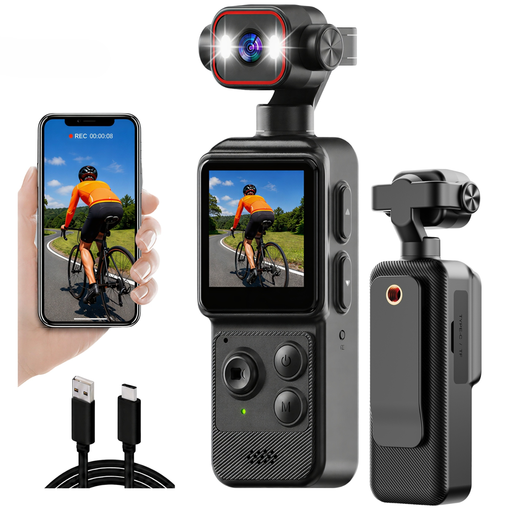
Mini 4K action camera with clip, 140° wide-angle lens and LED light
The title mentions a photo function and LED light, which may be useful if you’re looking for extra lighting; check that it suits your tabletop setup.
The title lists a 1.54-inch screen, app control and a 1200 mAh battery.
View at Joybuy
 No image available
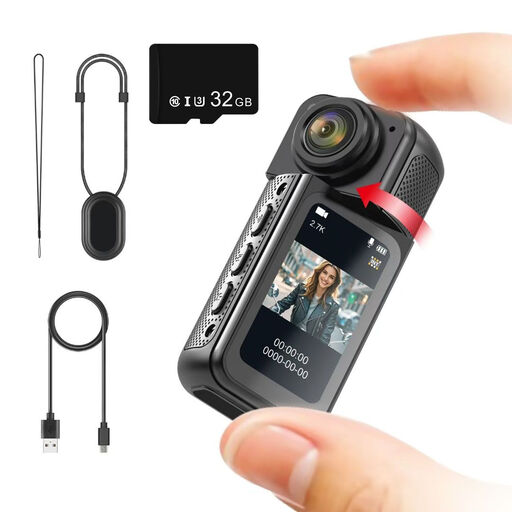
NAXSIR 2.7K mini action camera with 180° rotating lens
The title mentions a built-in screen and a photo function; check that the controls and lens setup suit the camera angle you want.
The title lists a magnetic mount and an included 32GB memory card.
View at Joybuy
 No image available
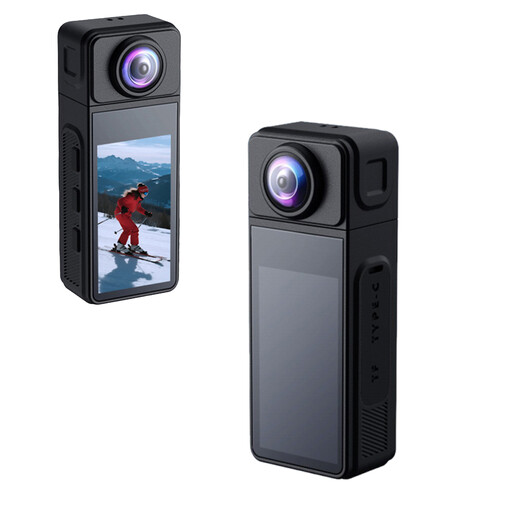
NAXSIR 2K mini action camera with 270° rotating lens
The title mentions a tripod mount, which is worth checking if you want to use a fixed camera position.
The title lists electronic image stabilisation and a magnetic housing.
View at Joybuy
 No image available
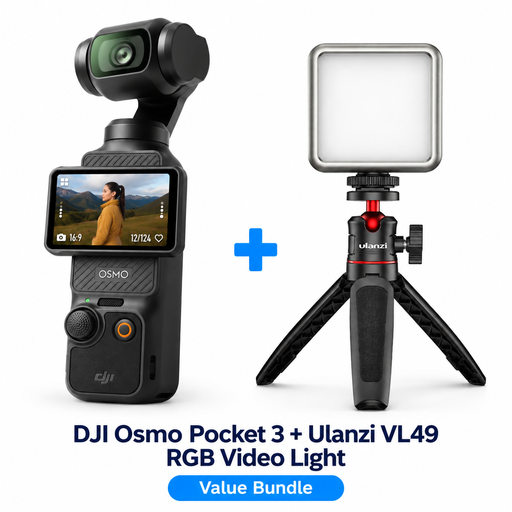
DJI Osmo Pocket 3 Creator Combo with Ulanzi VL49 RGB LED light
The bundle name lists an RGB LED light, which may be useful if you’re looking for lighting for product photography; check that it suits your setup.
The title also mentions a vlogging and photography lighting bundle.
View at Joybuy
 No image available
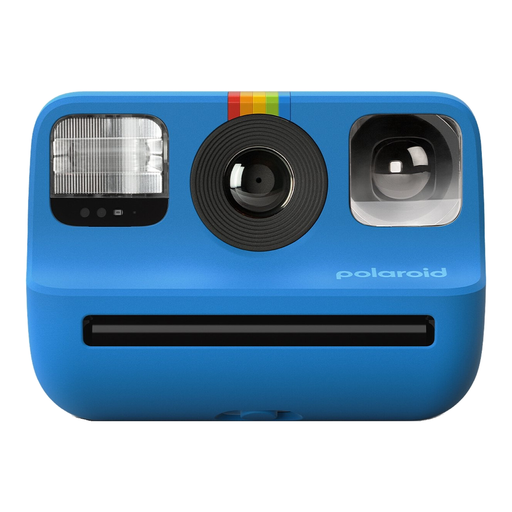
Polaroid Go Gen 2 - Blue
This instant camera uses Polaroid Go film to produce physical instant prints, so bear this in mind if you want to save or edit digital close-ups.
The product information lists a light sensor, manual exposure settings, a self-timer and double exposure.
View at Joybuy
Frequently asked questions
Do I always need a 1:1 macro lens to photograph a complete painted figure?
No, it depends on how large you want the whole figure to appear in your photo. First compare the magnification of the lens actually included in the kit; a separate macro lens may be more suitable for capturing very fine paint details. The Canon RF-S 18-45mm and Nikon Z MC 50mm have different maximum magnifications.
How can I stop one side of the figure disappearing against the dark background?
Direct the light towards the figure, and try using a reflector or white card if one side looks too dark. For consistent photos, keep the lighting and white balance the same; with RAW shots, you can adjust the white balance afterwards.
How do I look after a camera with a macro lens?
Make sure a lens positioned close to the subject doesn’t touch the figure or your lighting. Follow the instructions for the specific camera body and lens when cleaning and storing them.
What costs and rights should I check when buying online in the Netherlands?
Check whether the macro lens is included in the kit. According to ACM ConsuWijzer, for a typical online consumer purchase you generally have up to 14 days from delivery to change your mind, subject to exceptions. The Dutch government states that the statutory guarantee has no fixed legal duration; contact the seller if a product is faulty.
What should I look for to check the safety of a camera or electric photography light?
The Dutch government states that electronic products placed on the EU market must carry a CE marking. Check the marking and the safety information supplied with the specific product; the marking alone doesn’t prove that a particular listing has been checked.


