What should you look for when buying?
Start with the smallest details you want to capture and the depth of your models. Then assess your lighting setup and what is included in the camera kit.
| What to consider |
What should you check? |
Who is this important for? |
| Small folded details |
Check the maximum magnification, working distance and lens mount of the specific lens. |
If I want to photograph small folds so they fill the frame, I need to know how large they will appear and how much room there will be for lighting. Consumers who put detail first make up around 36% of the group. |
| Sharpness throughout the depth |
Check whether the camera offers focus bracketing, in-camera focus stacking or both. Also look at the lens and setup required. |
With a deep model, I want several planes to be sharp, so the camera needs to remain stable throughout a series of shots. Consumers who prioritise sharpness across the whole model make up around 29% of the group. |
| Lighting and paper colour |
Test the lighting position and background with sample shots, then check the colour, shadows and visible folds. |
If I want to capture the shape and colour of the paper consistently, I first want to see what adjusting the lighting and background can achieve. Consumers who prioritise lighting and paper appearance make up around 21% of the group. |
| Overall equipment |
Check whether the deal includes just a camera body or a specific lens as well, and which extra items you actually need. |
For complete models, I want to take useful photos without replacing equipment unnecessarily. Consumers who prioritise simple, affordable equipment make up around 14% of the group. |
Cameras at Joybuy
The products below are cameras for photography and vlogging. For origami, check separately whether the camera and included equipment suit your preferred framing, level of detail and fixed home setup.
 No image available
DJI Osmo Pocket 4 Standard Combo
The product name mentions photography and a rotating screen; check whether the camera can frame close-ups of your models.
The product name lists 2× lossless zoom and a 1-inch CMOS sensor.
Joybuy
 No image available
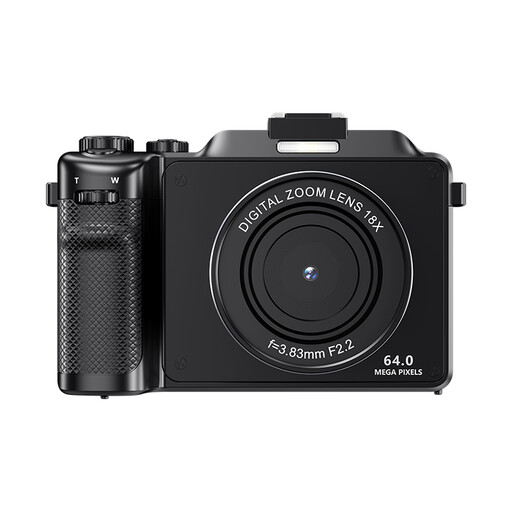
Komery X9 4K 64MP
The product name describes a camera for photography; check whether its close-up capabilities suit the smallest folds you want to capture.
The product name lists 4K, 64 MP, autofocus and 18× digital zoom.
Joybuy
 No image available
Komery W6
The product description lists a camera for photography; check whether the included lens can frame your origami model from the distance you want.
The product description lists a 16–50 mm zoom lens, 12× optical zoom and a 24.2 MP APS-C sensor.
Joybuy
 No image available
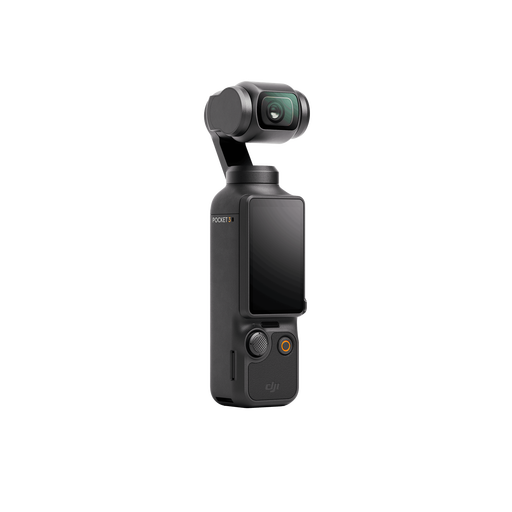
DJI Osmo Pocket 3 Creator Combo
The product name mentions photography and video; for still origami photos, check whether the framing and setup suit the way you work.
The product name lists a 1-inch CMOS sensor, 4K/120 fps video and 3-axis stabilisation.
Joybuy
 No image available
DJI Osmo Pocket 3
The product name mentions photography and fast focusing; check whether the camera offers the level of detail and framing you want for your models.
The product name lists a 1-inch CMOS sensor, fast focusing and a rotating touchscreen.
Joybuy
Frequently asked questions
Do I need a macro lens to photograph a whole origami model?
Not necessarily. First, take a test shot with your current lens and model. For very small details, the maximum magnification of the specific lens matters.
How do I set up at home to photograph a deep origami model?
Start with a plain background, move the light around to bring out the folds and keep the camera steady. If one shot does not give you enough depth of field, you could try a focus bracket series; Canon recommends a sturdy tripod setup for focus stacking.
What should I check when buying a camera or lens kit?
Check whether the deal includes a camera body or a specific lens kit, and whether you need a compatible macro lens for small details. Do not assume that a separate macro lens is included in the box.
What guarantee applies when I buy a camera as a consumer in the Netherlands?
According to the Dutch government, you are entitled to a product that works as it should; the Netherlands does not have a fixed statutory guarantee period of two years. If a product is faulty, the seller is your point of contact, even if a manufacturer’s guarantee also applies.
Do I have a cooling-off period for an online purchase?
According to the Dutch government, in many cases you have 14 days to change your mind when buying from a business at a distance. The Dutch government says the same rules do not apply in the same way to online purchases from a private individual; check the terms of the specific sale.


