
Sellers of finely painted miniatures
If you want to show brushwork and small parts clearly, compare the lens’s magnification and working distance. Nikon and Sony list these specifications for each individual lens.


Start with the smallest detail you want to photograph and the space you’ll need for your lighting. Then check the magnification and working distance of the specific lens, not just the camera body. For figures with depth, focus bracketing can help, but you’ll still need to combine the shots. You may also need to buy a suitable macro lens separately.
If you want to show brushwork and small parts clearly, compare the lens’s magnification and working distance. Nikon and Sony list these specifications for each individual lens.
If details at the front and further back need to look sharp in a single catalogue image, a manageable focus-bracketing sequence is worth considering. Canon lists focus bracketing for the EOS R50.
If you photograph several figures in similar conditions, it helps to use repeatable lighting and consistent white balance. Nikon recommends setting the white balance to match your lighting setup as closely as possible.
| What to consider | What to check before buying | Who it’s for |
|---|---|---|
| Small details and working distance | Check the maximum magnification, mount and working distance of the specific lens; assess the framing you want using a figure of a similar size. | If I want to show brushwork and small parts up close, I also need room to light the figure. Around 33% of shoppers say the required detail magnification and working distance are their top priorities. |
| Sharpness through the depth of the figure | Check whether the specific camera supports focus bracketing and how you can combine the shots; keep the figure still throughout the sequence. | For a figure with details at the front and further back, I want to know whether shots taken at different focus points can be combined. Around 27% of shoppers prioritise sharpness through the depth of the figure. |
| Consistent colour and presentation | Keep the lighting as consistent as possible, set the white balance to match and check that the photo accurately represents the figure for sale. | If I’m creating a catalogue of similar images, I want to minimise colour differences caused by changing conditions. Around 20% of shoppers say consistent colour and presentation are their main priorities. |
| Complete setup and costs | Compare the exact kit contents and lens mount; check which additional items you’ll need for the close-ups you want. | When weighing up the body, lens and setup as a whole, I want to know exactly what the kit includes. Around 20% of shoppers prioritise a complete setup and the total purchase cost. |
Magnification figures such as 1:1 or 1.4× apply to specific lenses; they don’t automatically apply to a camera body or every kit.
Before buying, check the kit contents, mount and magnification of the lens actually included.
You may need to buy a suitable lens separately for macro photography.
The minimum focusing distance is measured from the image sensor, so the clear space in front of the lens can be much smaller. Sony lists a working distance of 2.4 cm for the SEL30M35.
Check the working distance too, and make sure there’s enough room for your lighting.
Focus bracketing takes shots at different focus points; you still need to combine them. Canon describes focus bracketing for the EOS R50.
Check that the feature is available on the body you choose and that you can stack the shots using the software you have.
Allow time to take multiple shots and combine them.
According to Ondernemersplein, the statutory 14-day cancellation period applies to eligible online consumer purchases, not business purchases.
For a business order, read the seller’s returns and warranty terms.
Worth considering if you’re looking at the EOS R50 and may want to use a separate RF macro lens.
Worth considering if you want to pair a Z-series camera with the separate NIKKOR Z MC 50mm f/2.8.
Worth considering if you want to pair an E-mount camera with the separate SEL30M35 macro lens.
The LUMIX G9 II is a Micro Four Thirds body for anyone considering this system and its compatible lenses.
These product picks are aimed at general photography and video. For miniature details, check whether the specific camera and lens offer the magnification and working distance you need.
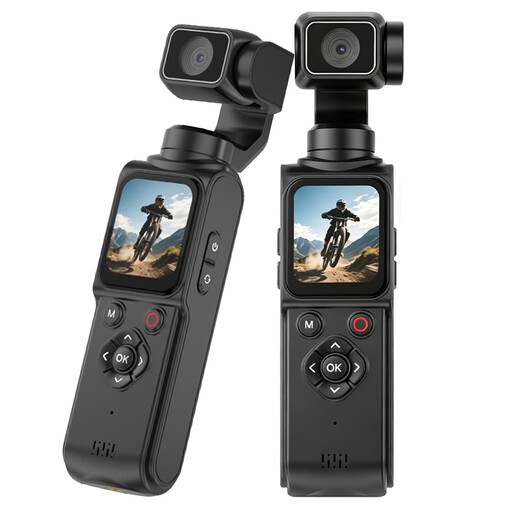 No image available
The product title mentions photography and vlogging; check whether the camera can frame close-ups of your miniatures.
The title lists 64 MP, a 330° rotating lens and a 1.72-inch touchscreen.
The title also mentions Wi-Fi, face recognition, a tripod and Type-C.
 No image available
The product title mentions photography and video; check whether the camera and lens are suitable for the close-ups you want to take of small figures.
The title lists a 1-inch CMOS sensor, 4K/240fps video, 3-axis stabilisation and 2× lossless zoom.
Also listed: 107 GB of built-in storage and a 2-inch rotating screen.
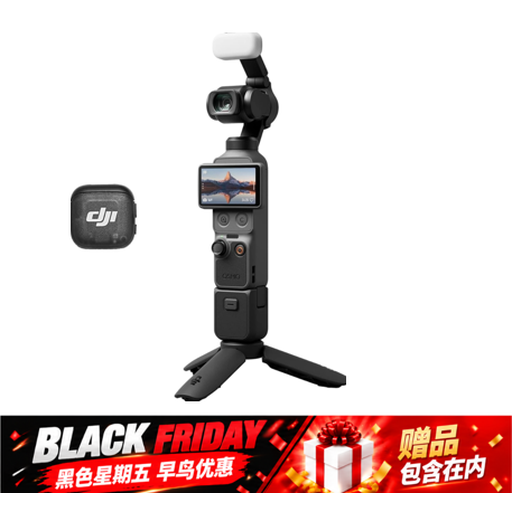 No image available
The product title mentions photography and video; check whether the camera and lens offer the magnification and working distance you need for miniatures.
The title lists a 1-inch CMOS sensor, 4K/240fps video, 3-axis stabilisation, 2× lossless zoom and 14-stop dynamic range.
Also listed: 107 GB of built-in storage and a handle with a 1/4-inch thread.
 No image available
The product title mentions photography and video; check whether the camera can capture the close-ups you want of your figures.
The title lists a 1-inch CMOS sensor, 4K/120fps video, 3-axis stabilisation and fast focusing.
Also listed: face and subject tracking and a 2-inch rotating touchscreen.
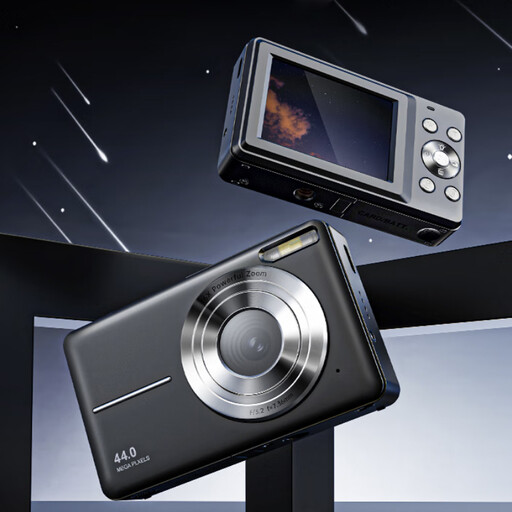 No image available
The product title mentions photography and video; check whether the model offers the framing and focusing you need to capture small details.
The title lists 4K, 44 MP and 16× zoom.
Not simply because you’re photographing miniatures. First, check whether the smallest detail appears large enough in the frame you want. A macro lens is worth considering if you need greater magnification for close-ups. Check the specifications of the specific lens.
For a stationary figure, you can take shots at different focus points and combine them. Canon lists focus bracketing for the EOS R50; check how to process the sequence with your camera and software.
Keep the lighting as consistent as possible and check the white balance whenever the lighting changes. Positioning the camera and figure in the same place also helps you create similar compositions.
No. According to Ondernemersplein, the statutory 14-day cancellation period applies to eligible online consumer purchases, not when a business makes a purchase. Check the seller’s terms for business orders.
When selling to consumers, your product presentation must not be misleading. The Dutch government requires clear and accurate information for online sales, so make sure colour adjustments and the details shown match the figure for sale.