
Photographers capturing details on unworn costumes
You want to capture embroidery, beads or texture clearly and in fine detail, so you’ll want to look first at the lens’s magnification and focusing capabilities.


Choose a lens based on how small the costume detail is and whether your subject is moving. For fine embellishments, close focusing and sufficient magnification are important, while a wide maximum aperture can help you use a fast shutter speed in low light. Always compare the complete camera body and lens combination. Image stabilisation can reduce camera shake, but it won't freeze a moving costume. The magnification and stabilisation figures quoted are manufacturers’ specifications, not comparative performance measurements for costume photography.
You want to capture embroidery, beads or texture clearly and in fine detail, so you’ll want to look first at the lens’s magnification and focusing capabilities.
You also take photos when the costume or wearer is moving, so you’ll benefit most from control over exposure and a fast lens that’s compatible with your camera.
You may sometimes need to shoot handheld when a venue restricts tripods or additional lighting, so check in advance which equipment is permitted.
Start with the smallest details you want to photograph. Then consider how much movement and low light to expect, and finally check what’s included in the complete camera kit.
| What to consider | What should you check? | Who is this important for? |
|---|---|---|
| Magnification and close-ups | Check the maximum magnification of the exact lens, the camera mount and the focusing distance. Canon lists a maximum of 0.5× for the RF 35mm F1.8 MACRO IS STM; Fujifilm lists 1:1 for the XF30mmF2.8 R LM WR Macro. | If I want tiny beads or stitches to fill the frame, I look at magnification and focusing first. Around 29% of consumers put capturing small details at the top of their list. |
| Movement in low light | Check the maximum aperture of the lens you’re buying and consider what shutter speed you’ll need for a moving costume. A wide aperture alone doesn’t guarantee a sharp shot. | If I’m photographing a costume being worn, I want to control movement as much as possible without relying on extra lighting. Around 29% of consumers prioritise moving subjects in low light. |
| Shooting without additional equipment | Check whether stabilisation is built into the camera body or the lens you’ve chosen, and ask the specific venue whether flash, lighting or a tripod is allowed. Stabilisation won’t stop your subject from moving. | If I need to shoot handheld at a venue, I want to know in advance which equipment is permitted. Around 24% of consumers put shooting without additional equipment first. |
| Complete kit | Compare exactly what’s included in each kit and check whether it comes with the lens you need. A camera body alone doesn’t determine the close-up capabilities of the complete setup. | If I’m comparing complete kits, I want to avoid choosing a combination that doesn’t include a suitable lens. Around 18% of consumers prioritise the cost of the complete kit. |
Maximum magnification varies between lenses. Canon specifies a maximum of 0.5× for the RF 35mm F1.8 MACRO IS STM; Fujifilm specifies 1:1 for the XF30mmF2.8 R LM WR Macro. Nikon lists a maximum of 0.67× on the sensor for the DX MC 35mm f/1.7 and explains that this is equivalent to 1:1 in FX format, not 1:1 reproduction on the DX sensor.
Compare the magnification with the size of the smallest costume detail you want to capture. If you’re considering a Nikon DX lens, note the difference between magnification on the sensor and the FX-equivalent figure.
Image stabilisation can reduce camera shake, but it won’t stop a costume being worn from moving. Fujifilm lists up to 7.0 stops of IBIS compensation for the X-S20; this specification doesn’t mean moving subjects will be frozen.
Check whether stabilisation is built into the camera body or the lens. If your subject is moving, also consider an appropriate shutter speed and lens speed.
Close-up capabilities also depend on the lens and camera mount. According to Canon, the Canon EOS R50 doesn’t have sensor-shift IS, so this type of stabilisation isn’t built into the body itself.
Compare complete combinations with the exact body and lens specified, and check which lens is actually included in your chosen kit.
A suitable lens may need to be bought separately. Check what’s included in the kit and what equipment you’ll need overall.
The Canon EOS R50 with the RF 35mm F1.8 MACRO IS STM is one possible combination for close-ups with a fast lens.
The Z50II is a camera body that can be paired with a separately chosen lens, such as the DX MC 35mm f/1.7 or the Z MC 50mm f/2.8.
The Fujifilm X-S20 with the XF30mmF2.8 R LM WR Macro combines a camera body with built-in stabilisation and a separate macro lens.
These product options are related to cameras for photography. Check each model to see whether its focusing capabilities and included lens are suitable for small costume details and low light.
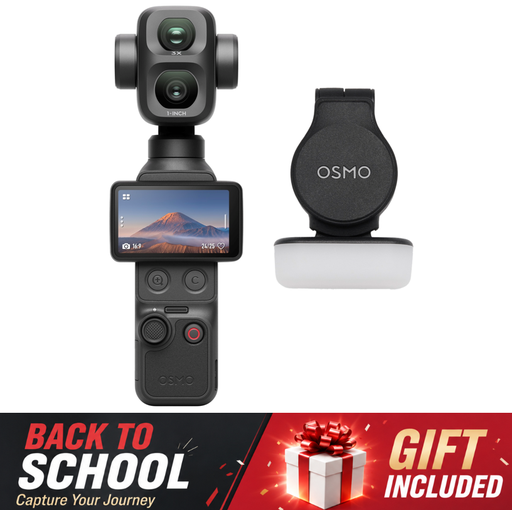 Image unavailable
The product name identifies this as a Pocket camera. For close-ups, check that its focusing capabilities suit the smallest details you want to photograph.
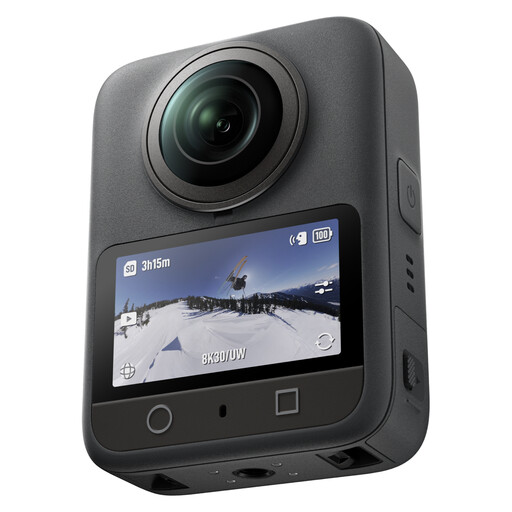 Image unavailable
The product name indicates that this is a 360 camera. Check that its focusing capabilities and the framing you want are suitable for your costume details.
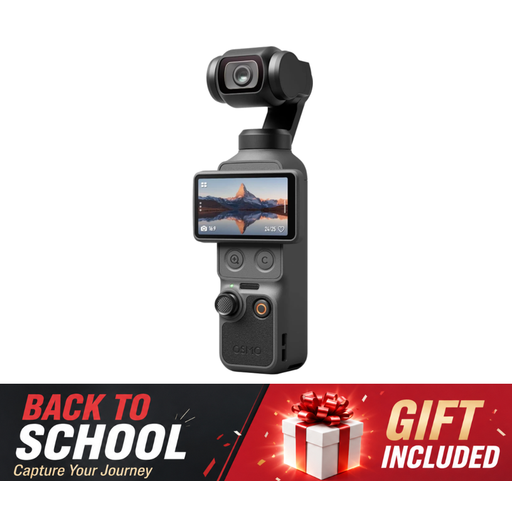 Image unavailable
The product name describes a camera for photography. Check whether it can focus close enough to capture beads, stitches and other small embellishments.
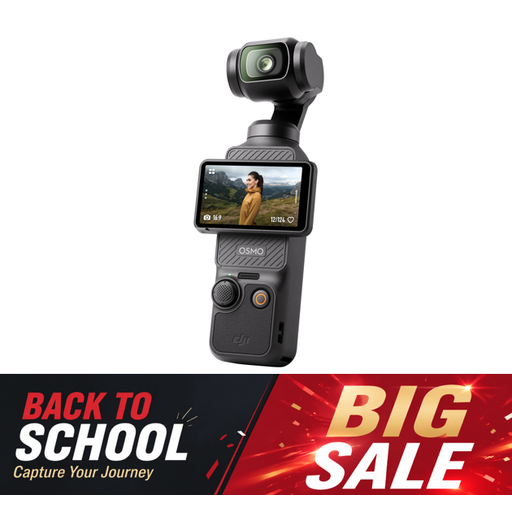 Image unavailable
The product name identifies a camera for photography. Before choosing, check whether it can focus close enough to capture small details clearly.
 Image unavailable
The zoom lens offers a range of focal lengths to adjust your framing. Check whether its maximum aperture of f/3.5–5.6 suits the lighting conditions you’ll be shooting in.
If you want these details to fill a large part of the frame, compare the maximum magnification of a compatible lens. Canon lists a maximum of 0.5× for the RF 35mm F1.8; Fujifilm lists 1:1 for the XF30mmF2.8 R LM WR Macro, as does Nikon for the Z MC 50mm f/2.8. The magnification you need depends on the size of your subject and the framing you want.
No. Don’t assume you have permission; check the rules at the specific venue. The Rijksmuseum allows visitors to take photographs as long as they don’t cause a disturbance. For wedding photography, it gives tripods and additional lighting as examples of equipment that isn’t allowed.
Look out for dust spots in your photos and handle the sensor with care. Canon notes that dust can get onto the sensor when changing lenses and that cleaning the sensor safely requires experience. If in doubt, have it cleaned by an appropriate service provider.
If you buy as a consumer in the Netherlands and the product is faulty, the seller must offer an appropriate solution. The Dutch government states that there’s no fixed statutory warranty period in the Netherlands. A manufacturer’s warranty or an extended warranty you’ve bought is in addition to your statutory rights.
According to the Dutch Data Protection Authority, an organisation that photographs identifiable visitors or participants and publishes the images needs a lawful basis for doing so. This doesn’t necessarily apply to use that is solely personal or domestic.